The hallways of the International Criminal Court in The Hague are designed to feel monumental. They are wide, clinical, and quiet, built to project the gravity of global justice. When you walk them, you are supposed to feel the weight of history.
But for a junior lawyer, those same hallways can feel like a labyrinth with no exit. Meanwhile, you can read other stories here: The 6225th Day of Silence in Quetta.
To understand what happened to Sarah, a Malaysian Muslim lawyer who worked at the heart of the court, you have to understand how power works in a place like this. The chief prosecutor is not just an employer. He is, as Sarah later put it, everyone's boss. In the highly specialized world of international law, his word can build a career or erase it. Your visa, your family's stability, and your life’s work are tied to his signature.
When the boundaries began to blur, it did not start with a dramatic confrontation. It started with what Sarah described as an creeping tide—emotional and physical encroachments that slowly eroded the line between professional duty and personal vulnerability. To explore the full picture, we recommend the detailed article by NPR.
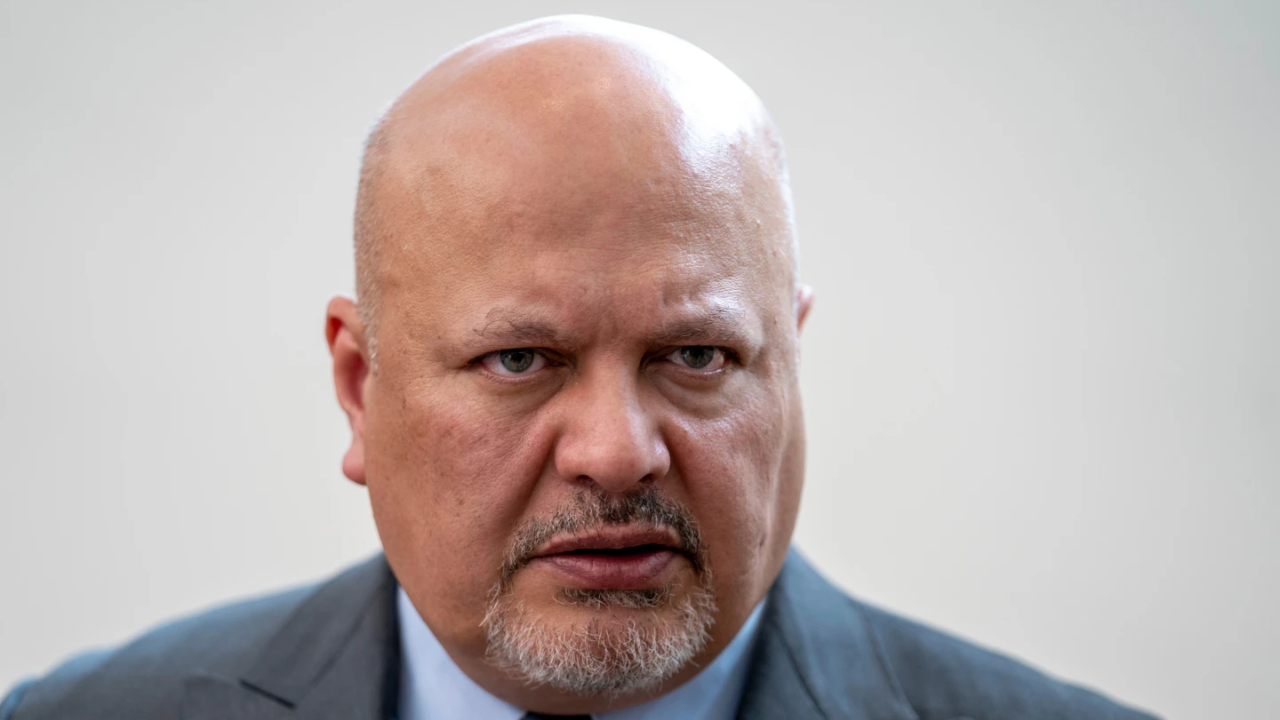
Consider the isolation of an official work trip to Colombia. You are thousands of miles from home, working late, carrying the stress of global litigation. Sarah recounted a night when the chief prosecutor, Karim Khan, entered her hotel room. She did what many people do when frozen by fear and a massive disparity in power: she pretended to be asleep. She lay perfectly still as he groped her.
Fear makes you freeze. It tells you to survive the moment and worry about the fallout tomorrow.
When Sarah finally spoke out, she did not just face the skepticism that greets survivors in any workplace. Because of the unique stage she stood on, her private trauma was immediately dragged into the arena of global geopolitics.
In 2024, Khan sought high-profile arrest warrants for Israeli leaders. Almost immediately, internet forums and political commentators weaponized Sarah’s allegations. Rumors spread that she was a Mossad agent, a plant sent to dismantle the court's credibility. Her identity as a Muslim Malaysian lawyer was ignored or twisted into a grand conspiracy.
The message was clear: speaking the truth was a betrayal of a greater cause. She was told to think of how her complaint would harm the geopolitical balance.
But Sarah was not the only one.
Years earlier, in 2009, an intern named Patricia experienced a similar pattern of behavior. Required to work at Khan's home, she described a constant pressure—unwanted touching, kissing, and physical advances that turned a dream internship into an ordeal of survival.
For years, these stories remained in the shadows. The machinery of international justice continued to grind forward, oblivious to—or ignoring—the human cost of its leaders' behavior.
That machinery is finally catching up. Following an investigation, the executive committee of the ICC’s governing body suspended Khan, finding serious misconduct. The host country of the court, the Netherlands, has announced its intention to vote for his removal. Representatives from 125 member states are preparing for an unprecedented vote on his future.
Khan’s legal team continues to deny the allegations in their entirety, claiming the timing of these public statements is politically motivated.
But Sarah’s focus remains clear, stripped of geopolitical noise.
"My complaint was because of what happened to me," she said, "not for any other reason".
The grand pursuit of international justice is meaningless if the institutions built to protect human rights cannot protect the people working within their own walls.