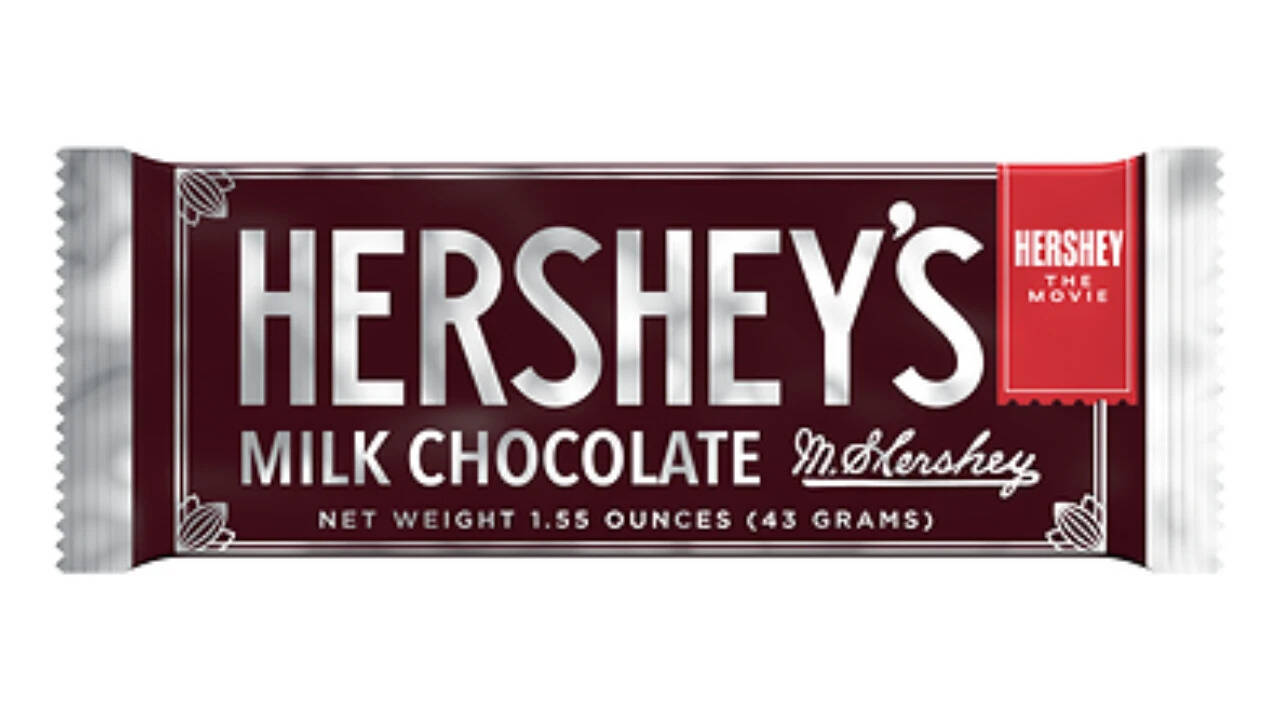
Every business journalist on the internet is tripping over themselves to praise Hershey’s for bringing back its five-cent chocolate bar for a single day on November 25. They call it a heartwarming nod to Milton Hershey ahead of a biographical film. They frame it as a generous gift to inflation-weary shoppers.
They are wrong. Completely, utterly wrong.
If you look at the corporate ledger instead of the press release, this is not generosity. It is one of the sharpest, cheapest customer acquisition and margin-defense plays in modern consumer packaged goods. While the mainstream press treats a five-cent candy bar as a charming trip down memory lane, anyone who has ever managed a retail P&L knows the truth. You do not drop the price of a flagship SKU by 95 percent out of the goodness of your heart, especially not during a multi-year cocoa supply crisis. You do it when your pricing power has hit a brick wall and you need a cheap distraction before you raise prices again.
The Inflation Mirage and the Cocoa Reality
To understand why this stunt exists, you have to look at the raw commodities market. Over the last two years, global cocoa prices experienced historic volatility, driven by severe weather, crop disease in West Africa, and structural underinvestment in farming. Chocolate manufacturers absorbed massive input cost spikes. How did they survive? They passed those costs straight to you.
In the grocery aisle, a standard Hershey’s bar quietly crept past the two-dollar mark in convenience stores and pushed well over a dollar fifty in mass retail. Shrinkflation did the rest of the heavy lifting, shaving fractions of an ounce off multipacks while keeping the cardboard wrapper the exact same size.
Consumers noticed. Volume elasticity—the economic measure of how much demand drops when prices rise—finally snapped. Shoppers started trading down to private-label store brands or skipping the candy aisle altogether. When a legacy brand loses volume, Wall Street panics. Investors forgive temporary margin compression, but they ruthlessly punish declining unit sales.
Enter the five-cent stunt.
By offering a strictly capped, one-day-only five-cent bar through Walmart, Amazon, and its own branded stores, Hershey’s buys millions of dollars in earned media for pennies on the dollar. Let’s do the basic math. Even if Hershey’s gives away one million bars at five cents each, and the true landed cost of manufacturing, wrapping, and shipping those bars is roughly thirty-five cents per unit, the total loss on the inventory is $300,000.
In the world of Fortune 500 marketing, $300,000 is rounding error. A single thirty-second spot during a prime-time broadcast costs more than that. Yet, by attaching a five-cent price tag to a limited drop, Hershey’s hijacks the news cycle on November 25, generates massive organic social media chatter, and subtly reminds consumers of its heritage right before the peak holiday gifting season.
Why Nostalgia Marketing Is Usually a Sign of Weakness
I have sat in boardrooms where executives burned tens of millions of dollars on heritage campaigns because they had zero innovation in the pipeline. When a legacy CPG giant leans heavily into its founder’s story and century-old pricing, it is rarely operating from a position of offensive strength. It is playing defense.
Nostalgia acts as an emotional sedative. When you are angry about paying $2.29 for a standard candy bar at a gas station, a reminder of 1900s Americana softens the blow. It reframes the brand from a greedy corporate conglomerate squeezing margins into a beloved American institution founded by a benevolent philanthropist.
Consider the timing. Tying this promotion to an upcoming film about Milton Hershey is brilliant brand synergy—or rather, calculated corporate alignment. Biopics about corporate founders almost always sanitize the brutal realities of industrial capitalism into a neat hero’s journey. By syncing a hyper-limited retail drop with the movie’s promotional cycle, Hershey’s turns a passive entertainment property into an active retail funnel.
The channels chosen for this drop tell the real story:
- Walmart: The undisputed king of grocery foot traffic. A five-cent loss leader here is designed to get shoppers into the physical store during the critical Thanksgiving week, where they will inevitably buy full-margin baking chips, holiday tins, and multipacks.
- Amazon: The ultimate data harvesting machine. A limited digital drop on Amazon is not about selling chocolate; it is about capturing first-party behavioral data, spiking algorithmic search velocity, and driving the product to the top of the "Best Sellers" list right before Black Friday.
- Hershey’s Own Stores: Pure high-margin cross-selling. Nobody walks into a flagship Hershey’s store in Times Square or Hershey, Pennsylvania, buys a single five-cent bar, and walks out. They walk out with a forty-dollar branded hoodie and three pounds of bespoke assortments.
Answering the Wrong Questions About Retail Drops
Whenever a major brand pulls a stunt like this, search engines light up with the same predictable consumer questions. The problem is that almost every single one of those questions accepts the brand's framing at face value.
Can you actually get the five-cent Hershey's bar?
Technically, yes. Practically, almost nobody will. "Limited offers" in modern e-commerce and big-box retail are engineered to sell out in seconds. Bots will clear the Amazon inventory before a human finger can refresh the page. In physical Walmart locations, store-level allocation will likely be restricted to a single display shipper per store, wiped out by employees or early-morning couponers within twenty minutes of opening. The scarcity is the entire point. If everyone could buy it, the promotion would bankrupt the quarterly earnings report.
Why did Hershey's originally cost five cents?
Because in 1900, Milton Hershey realized that mass production could turn a luxury European confection into an everyday working-class staple. He kept the price fixed at five cents for nearly seventy years—until 1969—not out of charity, but through ruthless operational efficiency. When cocoa prices rose during that era, Hershey didn't raise the price; he shrunk the weight of the bar. The "fixed nickel price" was actually one of the earliest, most aggressive applications of shrinkflation in American history.
Is chocolate ever going to get cheaper again?
No. Stop waiting for deflation in the snack aisle. Commodity prices fluctuate, and cocoa futures will eventually cool down from their historic highs, but retail food prices are notoriously sticky on the way down. Once consumers prove they are willing to pay two dollars for a candy bar, corporations do not voluntarily surrender that margin. They pocket the difference when input costs drop and call it "shareholder value."
The Drop Culture Playbook Applied to Groceries
What we are witnessing is the "Supreme-ification" of the grocery aisle. For years, streetwear brands and sneaker giants perfected the art of the artificial scarcity drop. You manufacture a tiny batch of an iconic item, price it absurdly low—or absurdly high—and watch the internet do your advertising for free.
Food and beverage conglomerates have spent the last decade trying to copy this exact playbook. Look at what happens when fast-food chains bring back a discontinued sauce for one weekend, or when a cereal brand releases a limited-edition retro box. They are manufacturing artificial urgency in categories that are fundamentally boring and commoditized.
Let’s look at how the economics of a traditional discount compare to a scarcity drop:
| Metric | Traditional 20% Off Retail Sale | Limited 5-Cent Scarcity Drop |
|---|---|---|
| Margin Impact | Severe across entire SKU volume | Negligible (capped inventory) |
| Media Coverage | Zero (paid circular ads required) | Massive organic PR and social buzz |
| Brand Equity | Trains shoppers to wait for sales | Reinforces heritage and cultural relevance |
| Consumer Friction | Low (widely available) | Extremely high (instant sell-outs) |
Look at that bottom row. That is the catch.
To be completely candid about the downside of this strategy: artificial scarcity breeds real resentment. When a legacy brand promises a nostalgic deal to millions of loyal customers and delivers enough inventory to satisfy 0.01 percent of them, it risks burning goodwill. Consumers are smarter than brand managers give them credit for. When shoppers realize the five-cent bar is essentially a lottery ticket designed to trick them into clicking an Amazon affiliate link, the heartwarming nostalgia curdles into cynicism.
If you are a retail operator, brand strategist, or consumer trying to navigate this environment, stop playing the game on the manufacturer's terms.
How to Outsmart Legacy CPG Pricing Games
If you run a consumer brand, stop copying the superficial tactics of billion-dollar conglomerates without understanding their balance sheets. You cannot afford to lose money on a publicity stunt unless you have a massive, high-margin ecosystem ready to catch the traffic. If you do not have Walmart's shelf space or a Hollywood biopic backing your play, a loss-leader drop will simply drain your working capital and attract bargain hunters who will never pay full price. Focus on unit economics and permanent value propositions rather than one-day gimmicks.
If you are a shopper who just wants to buy chocolate without getting fleeced by corporate pricing psychology, ignore the November 25 circus entirely. Do not waste twenty minutes refreshing a browser tab to save a dollar and fifty cents. Instead, look at the unit price per ounce on the bottom shelf, buy private-label dark chocolate sourced from the exact same co-packers, or purchase bulk baking bars that bypass the convenience-store markup altogether.
Hershey’s does not want you to buy a five-cent chocolate bar. They want you to talk about the five-cent chocolate bar while you put a twelve-dollar bag of full-margin holiday miniatures into your shopping cart. Do not fall for the magic trick.