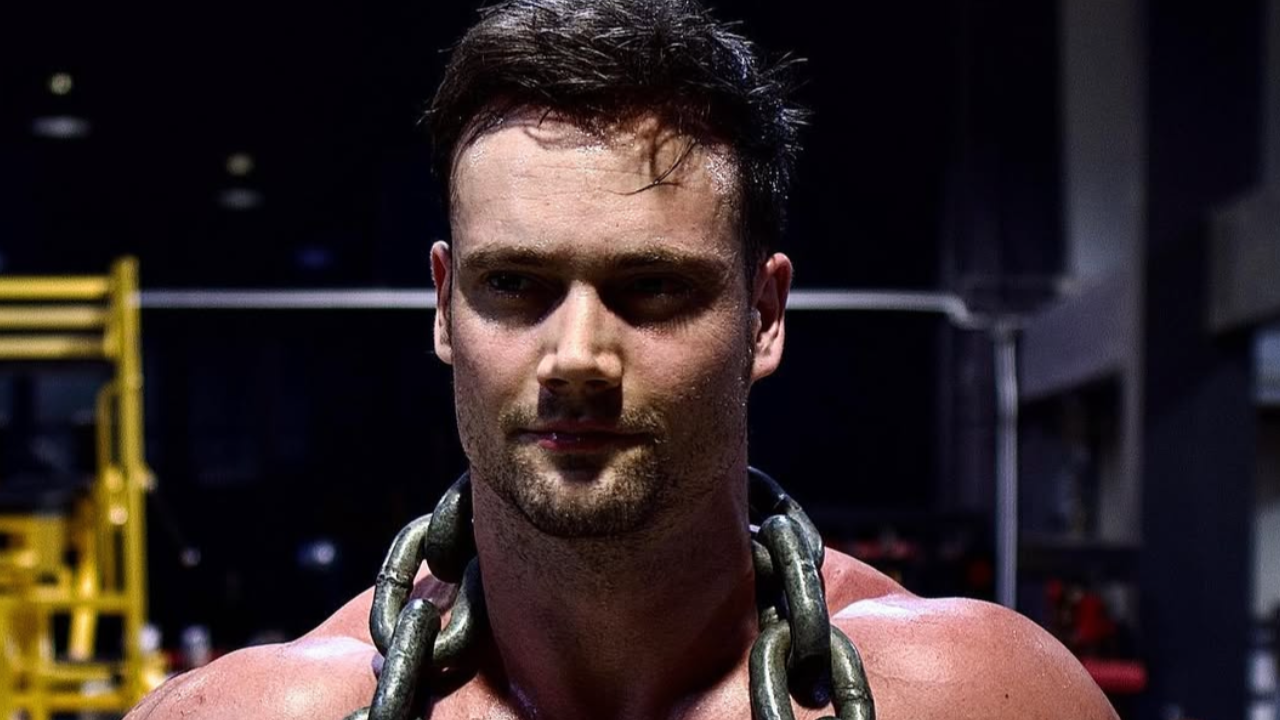
The camera lens is a masterful liar. It crops out the rot. It filters the grime. For years, millions of eyes tuned in to watch a physique sculpted to near-impossible perfection, set against the backdrop of sun-drenched tropical paradises. Connor Murphy was, to a generation of drifting young men, the ultimate avatar of freedom. He had cracked the code. He had escaped the grey monotony of the ordinary world to live a life of pure aesthetic bliss in Thailand.
Then the camera stopped rolling.
The images that emerged from the aftermath of his villa do not look like the backdrop of an influencer’s dream. They look like a crime scene where the victim was sanity itself. Scattered belongings, shattered glass, pools of stagnant water, and walls scrawled with the frantic, unreadable graffiti of a mind spinning out of orbit. This was the physical space inhabited by a human being right before he drowned. The contrast is sharp enough to draw blood. How does a man who built an empire on total physical mastery end up submerged in the chaos of a ruined sanctuary?
To understand the tragedy, you have to look past the sensational headlines. You have to look at the quiet, terrifying isolation that happens when an online persona completely swallows a real life.
The Architecture of Isolation
Imagine a room where the air is thick with humidity and the smell of moldering paper. Outside, the Thai jungle hums with life, indifferent to the human drama unfolding inside the concrete walls. This wasn't a home; it was a psychological bunker.
When we see pictures of a trashed living space belonging to someone who was clearly unraveling, our first instinct is often judgment or morbid curiosity. We look at the overturned furniture and the debris as signs of neglect. But anyone who has ever watched a loved one slide into a deep mental crisis recognizes these rooms for what they truly are. They are external maps of an internal storm. When the mind becomes a labyrinth of paranoia and fragmented thoughts, the physical environment mirrors that wreckage.
The fitness industry thrives on a dangerous myth: that if you can control your body, you can control your destiny. Discipline your macros. Quantify your sleep. Optimize your existence. It is a philosophy that works beautifully until it meets the messy, unpredictable reality of human brain chemistry.
Consider what happens when that optimization machine breaks down. For an influencer living abroad, away from the grounding presence of childhood friends or immediate family, there is no one to knock on the door and say, "Hey, this has gone too far." There is only the echo chamber of the internet. Every erratic post is met with a mix of mockery, concern, and algorithmic encouragement. The clicks keep coming, whether you are flexing your biceps or losing your grip on reality.
The silence between the uploads must have been deafening.
The Digital Funhouse Mirror
There is a specific kind of loneliness that belongs exclusively to the modern expatriate creator. You move to a country like Thailand for the low cost of living, the beautiful beaches, and the promise of a reinvention. But geography cannot cure a fractured psyche. It merely removes the safety nets.
In the final months, the content shifting from Connor’s channels became increasingly esoteric. It wasn't about workouts anymore; it was about spiritual awakenings, fasting, and intense, sometimes frightening monologues about the nature of reality. To the casual viewer, it looked like bizarre entertainment. To a trained eye, it was a cry for help broadcast to an audience of strangers.
The newly released photographs of his residence reveal the heartbreaking reality of that spiritual quest. It wasn't a peaceful ashram. It was a chaotic ecosystem of neglect. The broken windows weren't just vandalism; they were the actions of someone trying to let the air in, or perhaps trying to keep something imaginary out.
We live in a culture that consumes human descent as content. We watch the trainwreck because it makes our own quiet, ordinary anxieties feel manageable. But on the other side of that screen was a real person waking up every morning in a tropical heatwave, surrounded by the debris of his own mind, terrified and utterly alone.
The Unseen Weight of the Performance
The transition from a structured life to absolute freedom is a psychological tightrope. When Connor first gained fame, his brand was built on shock value and physical dominance. He was the guy who could walk into any room, take his shirt off, and command the attention of everyone present. That kind of attention is an intoxicating drug. It creates an intense pressure to maintain the performance at all costs.
But bodies age. Algorithms change. The high of the initial fame wears off, leaving behind a profound emptiness. What do you do when the thing that made you famous no longer fulfills you, but you have no other identity to fall back on?
You seek a higher high. For some, that means substance abuse. For others, it means a desperate, unguided plunge into extreme spirituality and psychological experimentation.
The remnants left behind in that Thailand villa—the scattered journals, the neglected spaces—tell the story of a man who was trying to think his way out of a box. He was trying to solve a problem using the very tool that was broken: his own mind. Without external intervention, without a hand to pull him back to earth, the thoughts just kept compounding, growing heavier and more distorted until the weight became unbearable.
The Final Threshold
Water is a recurring motif in the stories of those who seek purity or escape. It promises a clean slate. It promises weightlessness. For someone whose life was defined by the heavy, exhausting gravity of maintaining an image, the pull of the water must have felt like a release.
The drowning of Connor Murphy isn't just a tragic accident in a faraway country. It is a cautionary tale about the ghost towns we are building in the digital age. We are creating a world where a man can have millions of followers and not a single soul who knows how to save him from himself.
The images of his home before his death are difficult to look at, not because they are gory, but because they are profoundly empty. They show a space where human connection had long since evaporated. The dishes in the sink, the discarded clothes, the sense of a life paused mid-chaos—they demand that we look at the human cost of our digital voyeurism.
We cannot fix the past. We cannot go back to that villa and clean up the wreckage before it was too late. But we can change how we look at the people on our screens. We can stop treating human suffering as a spectator sport. The next time an online figure begins to unravel, perhaps we will remember the quiet horror of that Thai home and realize that behind the bizarre behavior is a person desperately looking for a way back to the shore.