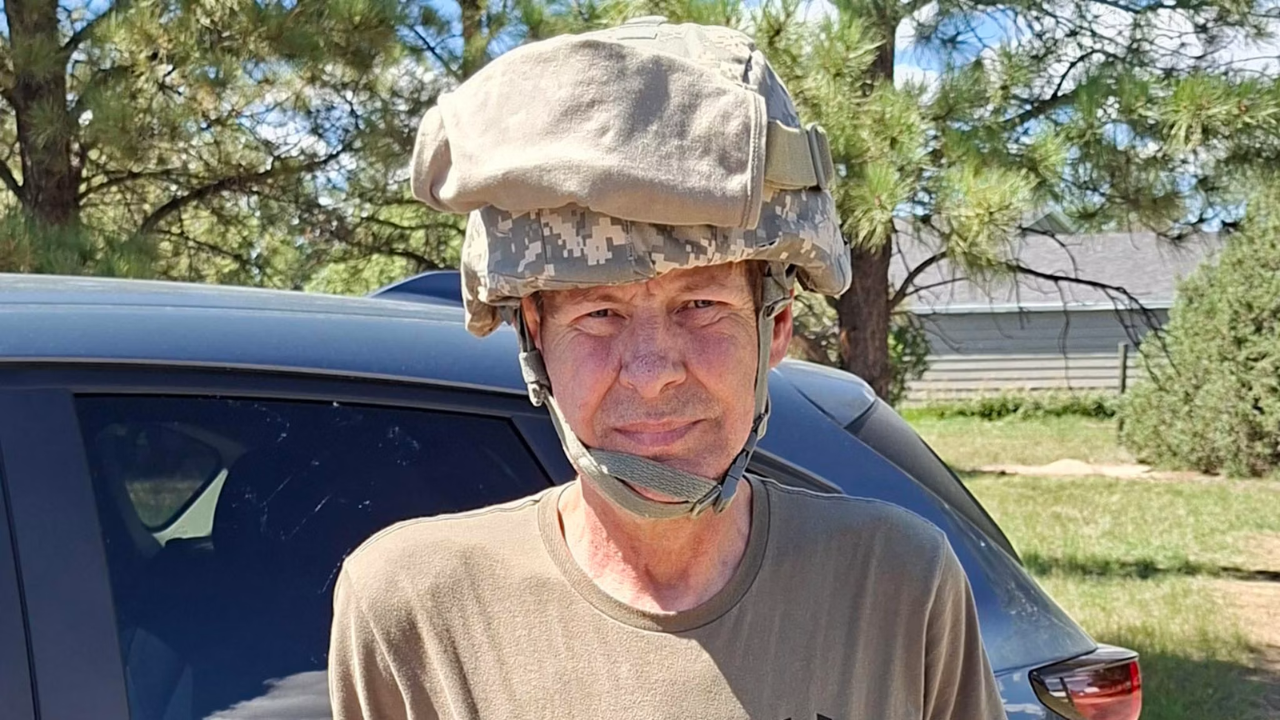
Imagine spending eleven days locked in a county jail cell with a felony charge hanging over your head—all because you tried to take back a piece of military gear from your own tour in Iraq. That isn't a hypothetical legal drill. It happened to a U.S. Air Force veteran, and the resulting felony case was eventually dismissed, leaving behind a messy collision between personal military history, civilian property law, and how the justice system handles veterans.
The core details of the story are stark. A former Air Force service member recovered his Iraq War helmet, ended up arrested on a felony charge, sat behind bars for eleven days, and watched prosecutors later drop the case entirely. When you look closely at why a dispute over a single combat helmet escalated into nearly two weeks of incarceration before collapsing in court, you start seeing systemic flaws that affect thousands of veterans navigating civilian legal systems every year. For an alternative view, consider: this related article.
Why Military Memorabilia Disputes Turn Into Felony Cases
Most civilians don't understand what a combat helmet represents to someone who wore it downrange. To a prosecutor reading an intake sheet, a helmet might just be an item with a dollar valuation attached to it—and in many states, once the alleged value of disputed property crosses a statutory threshold, a misdemeanor instantly becomes a felony.
To the person who wore it in Iraq, that Kevlar shell isn't "merchandise." It's an artifact tied to survival, memory, and identity. Related reporting on the subject has been published by USA Today.
Here is where things go sideways fast. Property disputes involving veterans rarely begin with malice. They almost always start with a breakdown in communication—a pawn shop misunderstanding, a storage unit dispute, a family disagreement, or an ex-partner holding onto personal belongings after a split. When someone walks in to reclaim an item they genuinely believe belongs to them, the law doesn't care about emotional attachment. Prosecutors look at possession, chain of custody, and statutory definitions of theft or burglary.
If you take property back through self-help rather than a civil court order, local law enforcement can—and often will—arrest you on the spot. Even if you originally owned the item. Even if your name is literally written on the liner inside.
The Reality of Eleven Days in Pre-Trial Detention
People hear "the felony case was later dismissed" and assume everything worked out fine in the end. That's a massive misconception.
Eleven days in jail isn't a minor inconvenience. It's long enough to lose a job. It's long enough to miss rent, default on bills, have a vehicle towed, and suffer severe psychological fallout—especially for someone who has already served in a combat zone.
Pre-trial detention operates on a brutal timeline. In many jurisdictions, an arrest late in the week means waiting days just to see a magistrate for a bail hearing. If bond is set higher than a veteran can immediately pay, or if administrative holds delay release, days tick by while the case file sits untouched on an overworked prosecutor's desk.
During those eleven days, the presumption of innocence exists mostly on paper. Inside a county facility, you're processed, housed, and treated identically to someone facing a slam-dunk conviction. When the state finally reviews the evidence, recognizes the lack of criminal intent, and dismisses the felony, nobody gives those eleven days back. There is rarely an apology, and almost never automatic compensation for lost wages or damaged reputation.
Legal Blind Spots Around Military Gear and Ownership
Part of what makes cases involving Iraq War gear so legally tangled is how military equipment moves from service to civilian life. During the height of operations in Iraq and Afghanistan, millions of pieces of individual equipment passed through supply rooms, surplus channels, and personal gear bags.
Some items remained strictly serialized government property that had to be turned in at the Central Issue Facility before separation. Other items—certain helmets, uniform components, patches, or retired gear—legally stayed with the service member upon separation or entered civilian circulation through authorized surplus sales.
Because civilian police officers and local district attorneys rarely know the difference between restricted Defense Department property and personally retained veteran gear, confusion reigns during an arrest. An officer sees a piece of tactical equipment, hears an allegation of unlawful taking, and defaults to the strictest possible charge to let the courts sort it out later.
The courts eventually did sort it out in this Air Force veteran's case by dismissing the felony. Yet the delay between arrest and dismissal highlights how poorly equipped local jurisdictions are to evaluate context before imposing life-altering charges.
What Prosecutorial Dismissal Actually Means
A felony dismissal is a relief, obviously. It prevents a permanent criminal record that would strip away voting rights, firearm ownership, and federal employment eligibility. Still, a dismissal isn't the same thing as erasing the arrest itself.
In most states, an arrest record remains visible on background checks unless the individual affirmatively petitions the court for expungement or record sealing. Think about the absurdity of that burden. A veteran spends eleven days in custody over a helmet from his own Iraq deployment, sees the prosecution abandon the case, and then still has to spend time and legal fees scrubbing the arrest from public databases so future employers don't see a dismissed felony pop up on a screening report.
When prosecutors drop a case after holding someone for over a week, it usually signals one of three things:
- Lack of criminal intent: Theft statutes require proof that the accused intended to permanently deprive the rightful owner of property, which falls apart when the accused reasonably believed the property was theirs.
- Disputed ownership: Criminal courts hate acting as arbiters of messy civil property claims when title and possession are murky.
- Evidentiary collapse: Once defense counsel presents documentation, service records, or witness statements proving the veteran's connection to the item, the state realizes a jury will never convict.
How Veterans Can Protect Their Personal Property and Avoid Arrest
If you're a veteran—or a family member helping a veteran manage personal effects—never rely on "everyone knows this is mine" when trying to recover disputed items. The criminal justice system runs on paper trails, not common sense.
Take concrete steps before a disagreement ever reaches a police report.
- Document your retained gear immediately. Photograph serial numbers, inner helmet labels, unit markings, and any separation paperwork showing items cleared or retained upon discharge. Store those photos in cloud storage where they can't be lost in a move or withheld during a personal dispute.
- Never use physical self-help to reclaim property. If an ex-partner, relative, storage facility, or shop has your military memorabilia and refuses to hand it over, walking onto their property or taking it back without consent invites burglary or felony theft charges. File a civil replevin action or request a formal civil standby through local law enforcement instead.
- Know your local Veterans Treatment Court options. Hundreds of jurisdictions now operate dedicated Veterans Treatment Courts staffed by judges, prosecutors, and mentors who actually understand military service and context. If an arrest ever occurs, immediately notify defense counsel of veteran status so the case can be routed to specialists rather than treated like a standard street crime.
- Follow up dismissals with expungement. Never assume a dropped charge disappears automatically. Check state expungement timelines the day a dismissal order is signed and clear the arrest record completely.
Eleven days behind bars over an Iraq War helmet is a stark reminder that the law rarely pauses to ask "why" before putting handcuffs on someone. Keep your documentation airtight, handle property disputes strictly through civil channels, and never give an overzealous prosecutor an easy excuse to turn a personal artifact into a felony file.