At the fuel pump outside a truck stop near Des Moines, the number on the diesel sign sits near six dollars a gallon. For anyone who has ever watched a freight bill chew up a family's or a small business's margin, that number isn't an abstraction. It smells like warm rubber and exhaust. It sounds like an idling rig at four in the morning when the frost hasn't lifted off the windshield. It feels like a knot in your stomach every time you do the math before a long haul.
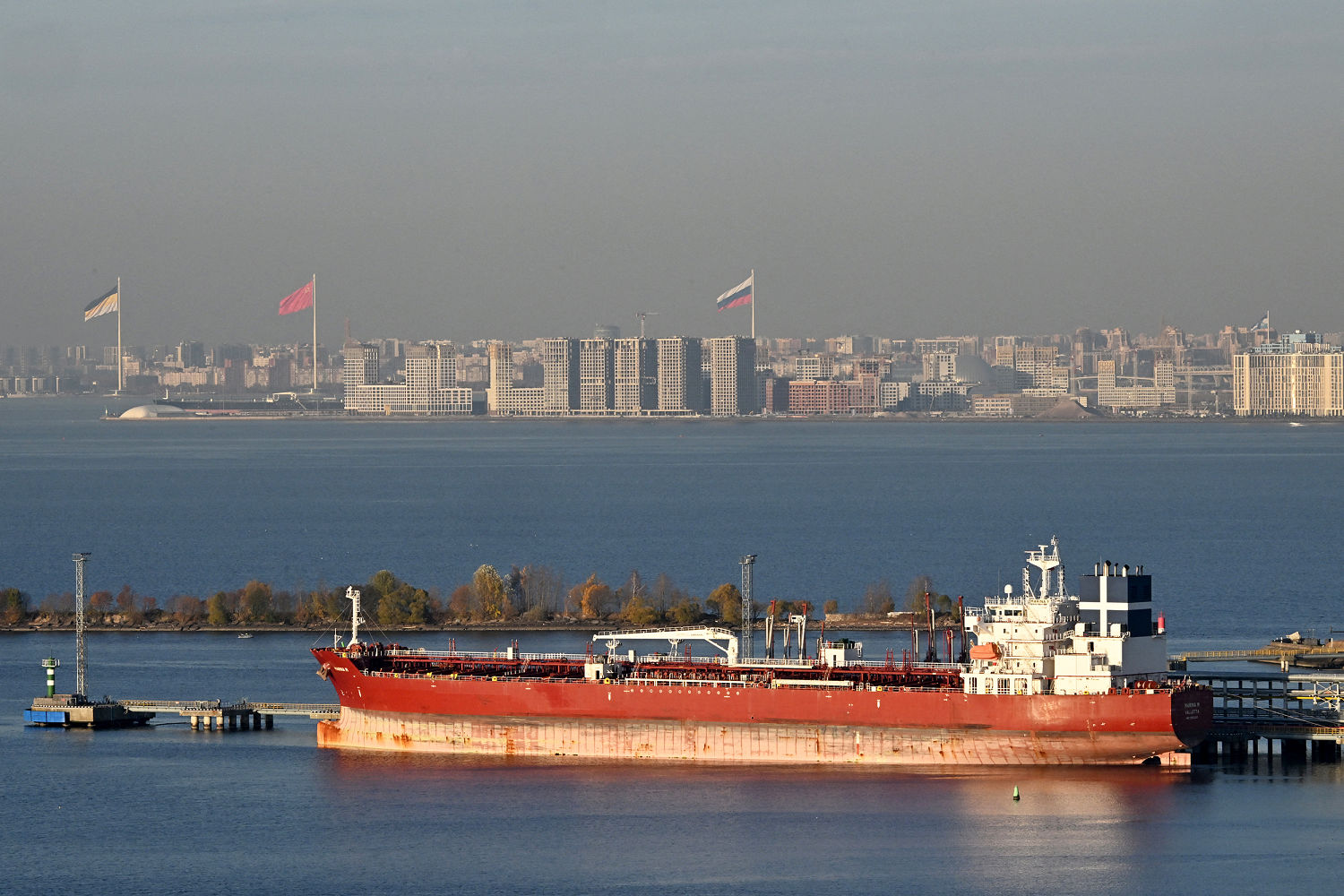
When news broke in October that a tanker carrying Russian diesel was bound for the United States—the first such delivery since 2023—it arrived like a strange bolt of lightning out of a bruised sky. Following an agreement struck between President Donald Trump and Russian President Vladimir Putin, Washington temporarily eased sanctions hurdles to let Russian diesel flow again, pitched as a way to cool high fuel prices ahead of the midterm elections.
On paper, it sounded tidy. High prices met a supply of fuel. A deal was signed. Ships sailed.
Except shipping lanes don't run on press releases. They run on trust, insurance, bank compliance, port pilots, and the quiet terror of making a move today that ruins your reputation tomorrow.
The Math At The Pump And The Math On The Water
Let's be honest about what it feels like when diesel climbs toward six dollars a gallon. If you've ever run a small hauling outfit, farmed acreage that drinks fuel through planting and harvest, or tried to keep a local delivery route alive when every mile costs more, you know the frustration of watching prices squeeze you from every direction. Political promises to bring relief sound tempting when your fuel receipts look like mortgage payments.
Yet a single tanker—typically holding around 40,000 metric tons of diesel—is a drop in a roaring ocean. Energy analysts and military observers noted that a shipment of that size barely covers a tiny sliver of U.S. diesel demand, measured in hours rather than weeks or months. To move the needle on fuel prices across a continent-sized economy takes sustained, massive supply. A handful of vessels crossing the Atlantic can make headlines without making a dent at the pump.
(Hypothetical scenario: Picture a fictional independent trucker named "Marcus," running freight between the Midwest and the East Coast. Marcus doesn't sit in diplomatic briefings. He sits in a cab staring at a fuel gauge, wondering whether a headline out of Washington or Moscow means his next fill-up will cost ten dollars less or twenty dollars more. For Marcus, relief isn't a diplomatic communiqué. It's a real number on a receipt.)
The gap between what sounds big in a speech and what actually moves the market is where a lot of public confusion starts. It is easy to assume that if a president signs off on a waiver and a ship leaves a port in the Baltic, fuel is already on its way to your neighborhood station.
In reality, a cargo ship isn't a pizza delivery. It is a floating legal minefield.
Why A Waiver On Paper Doesn't Clear Every Hurdle
When the U.S. Treasury issued authorization allowing transactions involving Russian diesel through early April 2027, it opened a narrow door. A government license can say a trade is permitted today. It cannot erase the memory of years of sanctions, shifting geopolitical fault lines, or the risk that rules could tighten again just as quickly as they loosened.
(Metaphor: Think of a government sanctions waiver like a temporary green light at a busy intersection while fog rolls in from the bay. The light is green, yes—but if you can't see the cross-traffic, and you know the signal might change mid-turn, plenty of drivers will keep their foot hovering over the brake.)
Importers, refiners, insurers, and banks live by risk. Even when Washington clears a path, commercial buyers have to ask hard questions. Will international partners push back? Will European or allied ports treat the cargo differently? Will future lawmakers or regulators look back at this transaction with scrutiny? For many U.S. buyers, the commercial and reputational headaches outweighed the appeal of taking a single controversial cargo.
And then there is the human and political storm swirling around the war in Ukraine. Ukrainian President Volodymyr Zelenskyy sharply criticized the arrangement, arguing it undermined pressure on Moscow at a sensitive moment in negotiations. Critics at home and abroad questioned whether letting Russian fuel enter Western markets sent the wrong signal while fighting continued.
Suddenly, a shipment meant to look like a straightforward price-relief move became a flashpoint over power, principle, and leverage.
When Ships Change Course Mid-Ocean
Tracking a tanker across the Atlantic is like watching chess pieces move across a board where half the players are whispering in another room. Vessels set out with destinations logged or expected. Signals update. Routes shift.
Reports emerging from maritime trackers and shipping outlets showed that tankers linked to the diesel push did not simply glide into U.S. ports and unload without friction. Some vessels altered course or diverted toward South America, including arrivals or movements toward Brazil—such as shipments heading up toward the Amazon basin—while other ships lingered, shifted tracks, or avoided American terminals altogether as U.S. buyers hesitated.
(Hypothetical scenario: Imagine "Elena," a logistics coordinator at a fuel terminal watching a vessel's automatic identification signal on a screen. A ship is out there with forty thousand tons of diesel—enough fuel to fill thousands of tanks. Every hour it stays offshore costs money. Every phone call with compliance lawyers, insurers, and suppliers brings another caveat. Sometimes the safest business decision isn't buying the cheapest barrel on the water; it's letting someone else take the heat.)
It can feel baffling to watch headlines proclaim a breakthrough one week and report tankers rerouting or heading elsewhere the next. Why would fuel bound for a high-price market turn away or go somewhere else?
Because markets don't just price barrels of oil. They price certainty.
When certainty is missing, cargoes go where buyers are willing to take them—or stay in motion while everyone waits to see who blinks first.
What This Reveals About Global Trade Today
Look closely at what happened around this diesel shipment, and you see a bigger truth about how the modern world works. Old assumptions about globalization—that goods simply flow from the cheapest supplier to the hungriest buyer—no longer hold when war, sanctions, and domestic politics collide.
Energy is deeply personal. Everyone feels it. A farmer running a tractor, a commuter sitting in traffic, a delivery driver watching fuel costs eat into take-home pay—none of them cares about maritime law in the abstract. They care whether they can afford to keep moving.
At the same time, foreign policy isn't a light switch. You can't flip it on and off without leaving sparks behind. Even when leaders announce an agreement or a temporary opening, the gears of global commerce turn slowly and cautiously. A waiver on paper does not automatically create willingness in the boardroom or calm on the docks.
There is a real tension here, and it's fair to admit it is messy. Voters want relief when fuel prices hurt. Leaders feel pressure to show action, especially around elections. Yet quick fixes in global energy markets often collide with stubborn realities: limited volumes relative to demand, wary buyers, and intense geopolitical pushback.
Reading The Real Story Behind The Headlines
When you see a headline about a tanker heading toward American shores—or turning away from them—don't stop at the first line. Ask three quiet questions.
First, how much fuel is actually involved compared to what the country uses every day? A single ship makes great television, but scale is what moves prices.
Second, who is actually willing to buy, insure, and unload the cargo once the political spotlight shifts? A policy announcement is only step one; commercial reality is step two.
Third, what else is tied to the deal—diplomacy, alliances, sanctions, leverage—and who pays the price if things go sideways?
Out on the open water, steel hulls cut through dark swells under a cold sky, engines humming steady as navigation lights blink against the spray. A tanker can change heading with a few degrees of rudder, leaving a quiet wake behind it while capitals argue over what the voyage meant.


