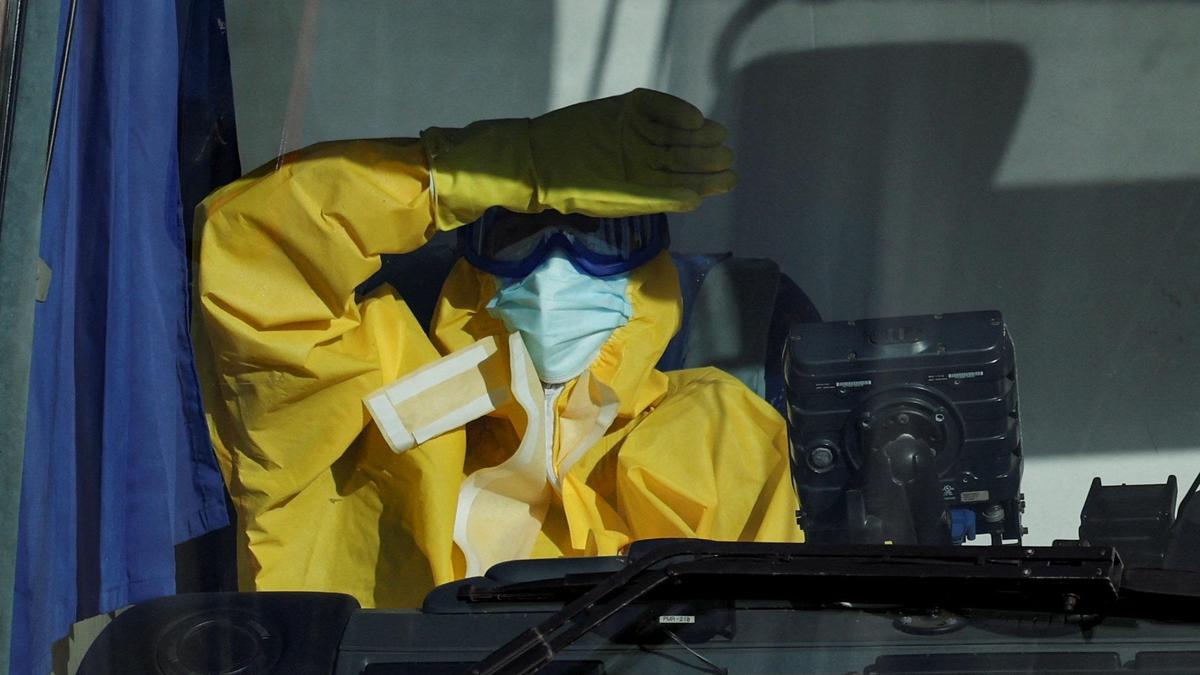
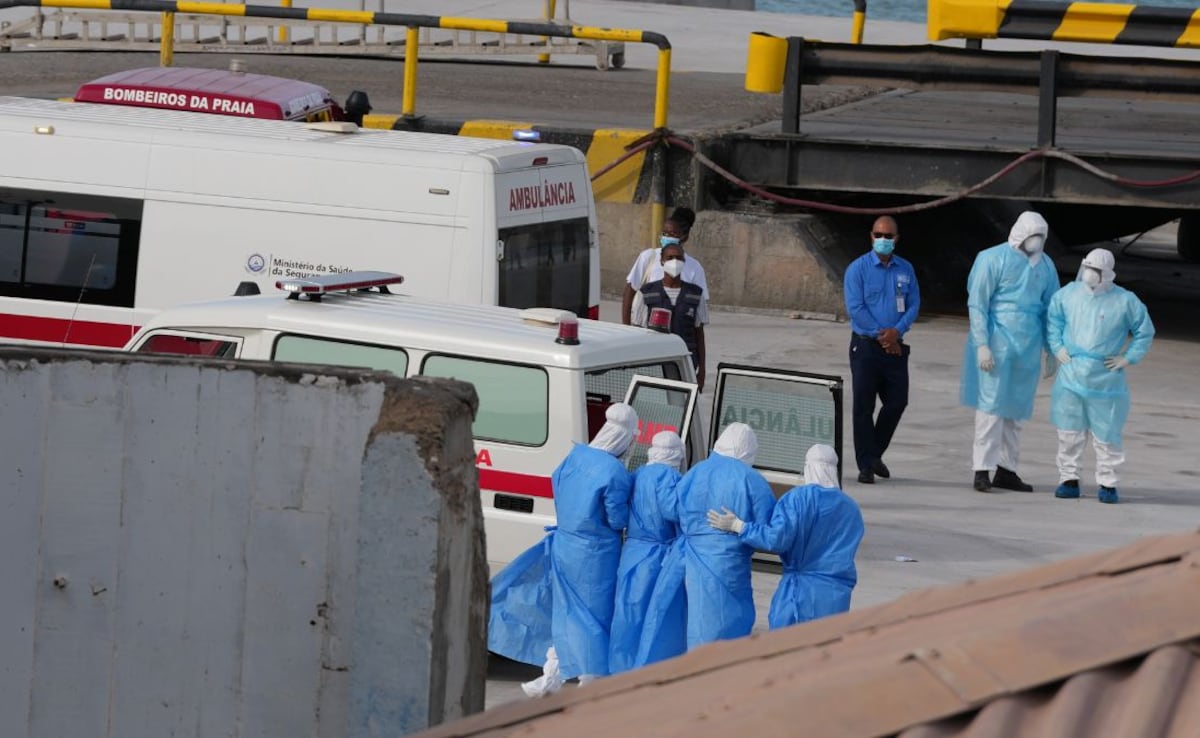
The World Health Organization has confirmed that a French patient diagnosed with hantavirus is in critical condition, a development that exposes the silent, persistent threat of zoonotic diseases in Western Europe. This isn't a drill or a distant tropical nightmare. It is a stark reminder that as human activity pushes further into natural habitats, the barrier between wildlife pathogens and urban populations is thinning to the point of transparency. The patient, currently fighting for survival in an intensive care unit, represents more than a medical anomaly. She is a data point in a growing trend of viral spillover that European health infrastructures are barely equipped to track, let alone prevent.
Hantaviruses are not new, but they are opportunistic. Primarily carried by rodents—specifically the bank vole in Western Europe—the virus sheds through saliva, urine, and feces. Humans typically contract it by inhaling aerosolized dust contaminated with these excretions. While the Puumala strain common in France often results in nephropathia epidemica, a generally mild form of hemorrhagic fever with renal syndrome, the "very critical" status of this current case suggests a more aggressive clinical manifestation or a late-stage diagnosis that has allowed the virus to ravage the patient's internal systems.
The Mechanism of Viral Infiltration
To understand why this case has reached a terminal threshold, one must look at the pathology of the virus itself. Unlike respiratory viruses that focus on the lungs as their primary battlefield, hantaviruses target the vascular endothelium. They turn the body's own circulatory system against it.
When the virus enters the bloodstream, it begins a systematic attack on the lining of the blood vessels. This leads to increased capillary permeability. Essentially, the pipes start leaking. In severe cases, this results in massive fluid loss from the intravascular space into the tissues, causing a catastrophic drop in blood pressure and systemic organ failure. If the patient is "very critical," it implies they have crossed the threshold into shock, where the kidneys shut down and the lungs struggle to oxygenate blood that is no longer being pumped effectively.
There is no "silver bullet" treatment. No specific antiviral medication has been proven to cure hantavirus once it reaches this stage. Doctors are forced into a strategy of reactive support: managing fluid balance, utilizing mechanical ventilation, and employing dialysis to do the work the kidneys can no longer manage. It is a brutal, expensive, and often losing battle against a microscopic predator that has had millions of years to perfect its survival strategy.
Modern Encroachment and the Rodent Connection
The increase in these cases isn't accidental. It is the direct result of "masting" years—periods where trees like beech and oak produce an overabundance of seeds. This creates a population explosion among rodents. In a vacuum, this is just a natural cycle. However, when you overlay this biological surge with expanding suburban development and increased human interaction with forested areas, the math changes.
We are building houses where voles live. We are cleaning out old sheds, barns, and summer cottages that have been occupied by rodents over the winter. When a homeowner sweeps up dried droppings without a mask or proper disinfection, they are essentially creating a cloud of viral particles. The current French case likely stems from such a mundane interaction. It doesn't take a laboratory leak or a global conspiracy to start an outbreak; it just takes a broom and a dusty corner of a rural home.
Surveillance Gaps in the French Interior
France’s monitoring systems are robust on paper, but they rely heavily on "passive surveillance." This means health officials only know there is a problem once someone shows up in an Emergency Room. By then, the window for early intervention—which can significantly improve outcomes—has already slammed shut.
There is a glaring lack of proactive environmental sampling. We should be testing rodent populations in high-risk zones before the human cases arrive. The cost of such a program is frequently cited as a deterrent, yet the cost of a single patient in an ICU for several weeks, combined with the loss of economic productivity and the potential for a localized cluster, far outweighs the price of a few dozen traps and lab tests.
Why the WHO is Sounding the Alarm
The WHO’s involvement signals that this isn't just about one patient. They are looking at the broader epidemiological picture. Across the border in Germany and Belgium, hantavirus numbers have fluctuated wildly over the last decade, often catching local authorities off guard. The "critical" status of the French patient suggests a possible shift in virulence or a breakdown in the speed of the diagnostic chain.
If a virus that is typically "manageable" starts putting healthy individuals into life-support scenarios, the medical community needs to reassess the local strains. Is the Puumala virus mutating? Or are we seeing the introduction of more lethal strains from other regions? These are the questions that the current headlines are ignoring in favor of sensationalism, but they are the only questions that matter for long-term public safety.
The Reality of Medical Preparedness
Most general practitioners in France might see one case of hantavirus in their entire career. This lack of familiarity is a primary driver of the "critical" status we see today. The early symptoms of hantavirus—fever, muscle aches, headache—are indistinguishable from the flu or even a common cold.
A doctor who isn't trained to ask about recent contact with woodpiles or rural outbuildings will miss the diagnosis. They will send the patient home with paracetamol and instructions to rest. Three days later, that patient returns with acute kidney injury or respiratory distress. At that point, the medical team is playing catch-up.
The Problem with Diagnostic Speed
Confirming a hantavirus diagnosis requires specific serological tests or PCR (Polymerase Chain Reaction) testing. These are not done on-site at your local village clinic. Samples are sent to regional hubs or the National Reference Center. In a critical situation, a 48-hour delay for results is the difference between life and death. We have the technology to diagnose these pathogens rapidly, but the logistics of the French healthcare system often prioritize centralized efficiency over localized speed.
Practical Defense Strategies for the Public
Wait-and-see policies are failing. If you live in an area near forests or fields, the responsibility for prevention currently rests on your shoulders because the state's protective umbrella is reactive, not proactive.
- Wet Cleaning Only: Never sweep or vacuum areas where rodent droppings are present. Use a bleach solution (1 part bleach to 9 parts water) to thoroughly soak the area before cleaning it up with a damp cloth or mop. This prevents the virus from becoming airborne.
- Sealing the Perimeter: Any hole larger than a pencil is an open door for a vole. Use steel wool and caulk to seal entry points in garages and basements.
- Personal Protective Equipment: If you are working in a high-risk area like a crawlspace or a long-dormant shed, a high-quality N95 or FFP2 mask is non-negotiable.
The Institutional Failure of Communication
The government’s communication strategy regarding zoonotic risks is frequently buried in bureaucratic reports. There is no high-visibility public awareness campaign during masting years. We see massive spending on seasonal flu awareness, yet almost nothing on the emerging viral threats that carry a much higher per-case mortality rate in their severe forms.
This French patient is a symptom of a larger indifference. We have become comfortable with the idea that modern medicine has conquered nature, but nature is constantly recalibrating. The "critical" status of this woman is a warning shot across the bow of the European center for disease control. It tells us that our surveillance is too slow, our diagnostics are too centralized, and our public awareness is non-existent.
The focus must shift from treating the victim to managing the vector. Without a coordinated effort to monitor rodent populations and educate the rural population on the specific, lethal mechanics of hantavirus, this critical case will not be an isolated tragedy. It will be the precursor to a much larger, much more expensive public health crisis that no amount of ICU beds can fully solve. The solution isn't found in a hospital wing; it’s found in the dirt, the dust, and the policy rooms where budgets for prevention are currently being slashed.
Stop treating these cases as freak accidents. They are the predictable outcome of an environmental and systemic failure. If the authorities don't move from a reactive posture to a proactive one, the next "very critical" update won't just be about one person—it will be about the stability of the entire regional health network.