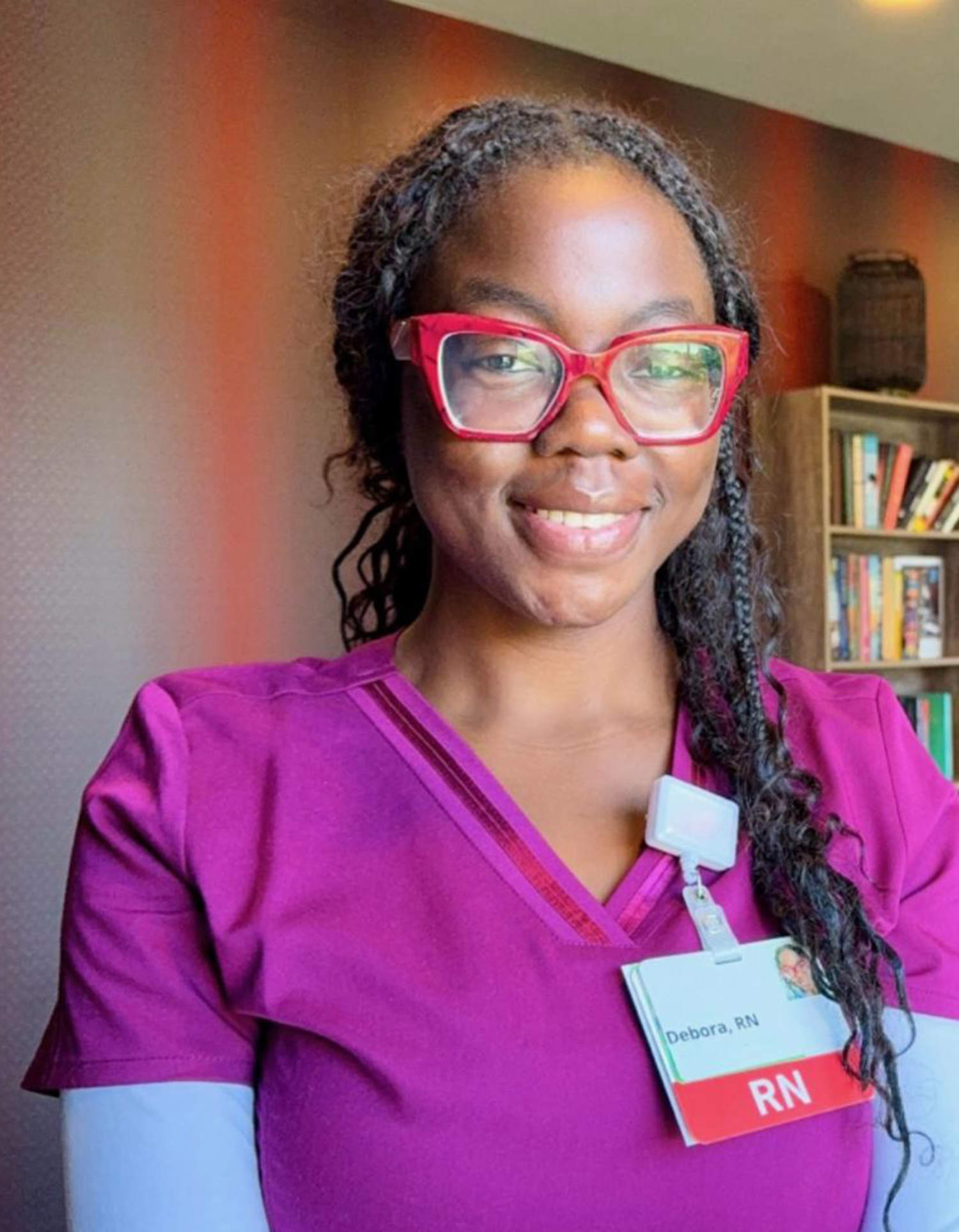
The fluorescent lights of the hospital ward hum a constant, anxious frequency at three in the morning. Monitors beep their steady, rhythmic pulse. Down the sterile corridor, a nurse moves with practiced silence, her fingers checking IV drips, her eyes scanning charts with the hyper-vigilance born of a double shift. She has worked through midnight dinners, missed birthdays, and the quiet, heavy hours when the rest of the city sleeps. She is exhausted. She is essential.
And then, the uniform changes.
Imagine walking out of those heavy glass hospital doors at dawn, only to find yourself stepping into a cell. Not because you broke a law, not because you faltered in your sacred duty to the sick and vulnerable, but because the machinery of immigration bureaucracy ground forward with cold, indiscriminate weight.
This is what happened in Maine. A surgical nurse, someone whose hands literally hold human lives together on an operating table, found herself behind the iron bars of immigration detention.
Let that sink in. A surgical nurse. In detention.
The Quiet Crisis in the Corridor
We talk about healthcare shortages in abstract numbers. We read articles detailing burnout percentages, empty shifts, and the looming threat of hospital understaffing. We treat these figures as statistical weather reports, distant and unmoving. But numbers do not bleed. Numbers do not stand over a patient whose heart is faltering, whispering reassurance while steadying a scalpel.
When a nurse is locked away, the void left behind is immediate and terrifying.
I know what a hospital feels like at its breaking point. I have smelled the sharp tang of antiseptic mixed with the metallic copper of adrenaline. I have seen the eyes of charge nurses who haven't slept in twenty-four hours, calculating whether they can divide themselves into two people to cover an ICU wing. Every pair of hands matters. Every trained professional is a bulwark standing between a patient and tragedy.
To take a skilled surgical nurse out of an operating room and place her into a detention facility is an act of profound institutional self-harm. It defies logic. It spits in the face of common sense.
Yet, it happens. It happens because systems are blind. A bureaucracy does not see the patient waking up from anesthesia who asks for her favorite nurse. It does not see the accumulated years of medical training, the sleepless nights spent studying pharmacology, or the quiet grace required to comfort a grieving family. A bureaucracy sees only a paper trail, a missing stamp, a procedural box left unchecked.
The Human Cost of Red Tape
For weeks, the surgical nurse sat in detention. The reasons were wrapped in the dense, impenetrable fog of immigration policy—a maze of regulations designed to exclude rather than evaluate.
Consider the sheer absurdity of the scenario. On one side of the glass, hospitals are screaming for qualified staff. Administrators are offering massive bonuses, flying in agency nurses from across the country, and watching emergency room wait times swell into the double digits. On the other side of the glass, a fully certified, deeply experienced nurse who wants nothing more than to care for the sick is locked in a cage because of paperwork.
It is a failure of imagination. We have built systems that treat human beings as administrative inventory rather than living, breathing participants in our communities.
When the news broke, a shockwave rippled through Maine. This was not just a legal story. It was a community story. Colleagues spoke up. Patients who owed their recovery to her steady hands wrote letters. Local leaders raised their voices. The public outcry was swift and fierce, driven by a simple, undeniable truth: We need her here.
Public pressure is a strange and powerful thing. It is the friction generated when ordinary people look at an injustice and refuse to accept it as normal. It forces the opaque machinery of the state to grind to a halt and look at the actual human being trapped inside its gears.
The Release and the Unresolved Question
She was released. The detention doors swung open, and she stepped back into the sunlight, greeted by colleagues holding signs and fighting back tears. The immediate crisis subsided. The headline was written.
But the release of one nurse does not fix the architecture of the trap.
Every day, thousands of individuals with critical skills—doctors, engineers, caretakers, teachers—navigate a system that seems actively hostile to their presence. We live in a society that claims to value merit, hard work, and public service, yet our laws often punish the very people who embody those values.
When you strip away the politics, the rhetoric, and the endless debates over border policy, you are left with a fundamental choice. Do we want a system that prioritizes human flourishing and community health, or do we want a system that values administrative conformity above all else?
The surgical nurse is back in the ward now. The monitors are beeping. The fluorescent lights are humming. Somewhere down the hall, a patient is calling out for help, and she is there to answer.
She walks past the window, looking out at the morning fog lifting over the parking lot, carrying the weight of a system that almost threw her away, while still holding the hands of strangers who need her to save them.