When Hilda Baci stood over a stove for four consecutive days in May 2023, she did more than cook her way into the record books. She exposed a systemic failure that stretches far beyond a commercial kitchen in Lagos. The subsequent deluge of record-breaking attempts across Nigeria was never just a quirky cultural phenomenon. It was a symptom of a nation whose infrastructure actively starves its own creative and professional class.
For years, local talent has faced a hostile domestic environment. Creators, artists, and endurance professionals find themselves locked out of traditional funding, crippled by erratic power grids, and stifled by bureaucratic red tape. When institutional support vanishes, individuals must manufacture their own validation. The Guinness World Records framework offered an accessible external megaphone. If the domestic market refused to acknowledge excellence, an international certificate from London forced the conversation open.
The Cost of Infrastructure Failure
Operating in Nigeria requires running a gauntlet of structural hurdles. Power generation remains a daily crisis, forcing creators to sink capital into fuel rather than research, development, or production. Venture capital in the region often favors fintech or logistics startups promising rapid software-scale returns. Independent artists, culinary innovators, and physical endurance athletes are left entirely unbanked and unsupported.
Consider the financial reality behind staging a major record attempt. Permits, venue rentals, medical standby teams, and media promotion require upfront capital that commercial banks are unwilling to lend to cultural workers. When an individual manages to secure private sponsorship, they are usually fighting an uphill battle against inflation and a devalued naira.
The institutional void leaves creators with few avenues for monetization. Streaming royalties are notoriously low. Live performance venues have vanished or face extortionate security and municipal levies. Brands prefer to throw marketing budgets at established pop stars rather than emerging talent. The record-breaking circuit acts as a high-stakes marketing stunt because traditional career ladders are broken.
Manufacturing Global Authority
Local validation in Nigeria is frequently commodified or ignored. Awards ceremonies face accusations of corporate bias or pay-to-play dynamics. Media houses are often too cash-strapped to offer deep investigative coverage of niche achievements, reducing cultural milestones to brief social media mentions.
By contrast, an international adjudication body provides instant, unarguable prestige. The Guinness World Records brand carries decades of institutional weight. When a Nigerian creator secures that certificate, local gatekeepers who previously ignored them are suddenly forced to pay attention. Corporate sponsors who turned down sponsorship emails now show up with endorsement contracts. State governors roll out the red carpet, eager to bask in the borrowed glow of international success.
This dynamic reveals a harsh truth about cultural power in the twenty-first century. Domestic validation often requires a foreign stamp of approval. The phenomenon mirrors colonial-era validation loops, where local excellence had to be certified in European capitals before it could be celebrated at home.
The Exploitation of the Trend
As the volume of attempts surged, the institutional fatigue became visible. The adjudication organization itself began to feel the strain of the influx, updating guidelines and lengthening waiting periods as thousands of applications poured in from West Africa.
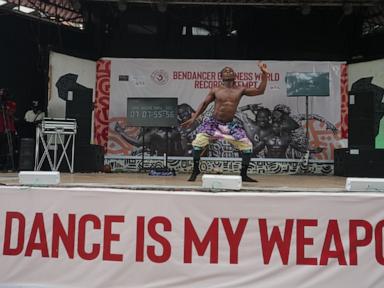
Imitation followed quickly. Every week brought news of a new attempt, ranging from longest reading marathon to longest massage session. Critics dismiss these attempts as stunts driven by desperation. That critique misses the mark. These are rational economic calculations by individuals attempting to capture fleeting public attention in an attention economy designed to starve them.
Yet, the pursuit of records carries a hidden trap. Stunts do not build sustainable institutions. Spending weeks attempting an endurance record does not solve the underlying copyright infringement issues plaguing Nigerian artists. It does not fix the lack of distribution networks for filmmakers. It does not provide medical insurance for performers injured on stage.
Rebuilding the Ecosystem
True economic mobility requires structural reform, not certificate collecting. Industry stakeholders must pivot from chasing viral moments to building permanent infrastructure.
Private equity needs to wake up to the commercial viability of creative industries. Dedicated venture funds focused on physical arts, culinary spaces, and athletic training centers would transform the landscape. Government agencies must overhaul copyright enforcement to ensure creators actually profit from their intellectual property. Municipalities need to cut the red carpet of bureaucracy that strangles independent cultural spaces in urban centers like Lagos, Abuja, and Port Harcourt.
Until those structural changes occur, the rush for international records will continue. Creators will always find a way to shout louder when the room is built to silence them. The certificates hanging on their walls will remain powerful symbols of personal triumph. At the same time, they will stand as quiet indictments of a system that forced its brightest minds to look outward for the recognition they deserved at home.