You forget why you walked into the kitchen. You stare at a blinking cursor for twenty minutes. You blame stress, bad sleep, or just getting older.
Stop looking at your head. Look at your dinner instead.
Scientists keep finding the exact same weird truth in labs across the world. The trillions of microbes living in your digestive tract control how fast your mind decays. This isn't just about digestion or bloating. Your gut bacteria dictate how sharp your memory stays, how well you focus during high-pressure work, and whether you slip into chronic brain fog or anxiety.
We spend fortunes on nootropics, brain games, and expensive supplements while completely ignoring the ecosystem sitting right beneath our ribs. If your microbiome is starving or inflamed, your brain takes the direct hit.
The Forgotten Organ Controlling Your Thoughts
For decades, medicine treated the brain as a lonely fortress. We thought the blood-brain barrier kept everything safe from the rest of the body. That turned out to be completely wrong.
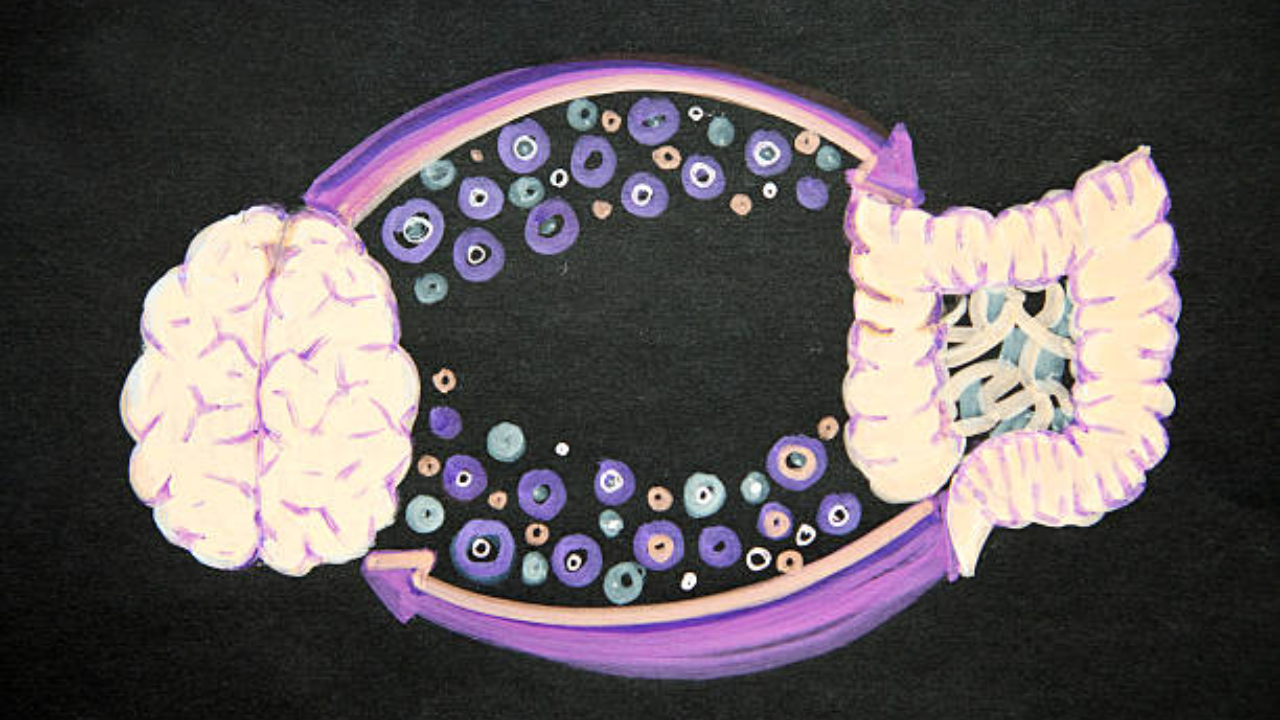
Microbiologists map a massive communication network linking your intestines directly to your central nervous system. It goes by the name of the gut-brain axis. Your gut bugs literally manufacture neurotransmitters. Over half of your body's dopamine and a staggering ninety percent of its serotonin originate right down there in your digestive tract.
When your microbiome falls out of balance—a state researchers call dysbiosis—bad bacteria crowd out the good ones. These harmful strains release inflammatory byproducts that cross into your bloodstream, trigger systemic immune responses, and eventually degrade the neural pathways responsible for memory consolidation and emotional regulation.
Your brain isn't just aging because of chronological time. It's aging because of what you're feeding the things living in your gut.
Why Memory Fades When Your Microbiome Breaks Down
Memory loss doesn't happen overnight. It starts with low-grade inflammation that quietly chews away at the hippocampus, the exact region responsible for forming new memories and retrieving old ones.
Think about what happens when you eat a diet heavy in ultra-processed foods, refined sugars, and artificial emulsifiers. You aren't just gaining weight. You are actively feeding bacteria like Bilophila wadsworthia while starving protective strains such as Faecalibacterium prausnitzii.
The starving good bacteria stop producing short-chain fatty acids like butyrate. Butyrate is critical. It acts as fuel for the cells lining your gut, but it also strengthens the blood-brain barrier and stimulates brain-derived neurotrophic factor, known simply as BDNF. Without enough BDNF, your neurons struggle to grow, adapt, and form the connections needed to remember names, passwords, and daily tasks.
You feel mentally sluggish because your neurons are literally running on empty, starved of the chemical signals your gut forgot to send.
The Focus Destroyer Hiding In Your Fridge
Focus requires a steady, calm nervous system. When bad gut bacteria dominate, they trigger vagus nerve signaling that tells your brain you are under constant attack.
This sends your body into a low-level fight-or-flight loop. You sit down to write a report or code a project, but your brain keeps scanning for invisible threats. That restless, scattered feeling isn't a lack of discipline. It's biological distraction.
Researchers at institutions like the APC Microbiome Ireland have tracked how specific microbial imbalances correlate directly with attention deficits and executive function decline. When mice receive gut microbiota from stressed, inflamed humans, they display identical cognitive deficits and anxiety behaviors.
Your focus is only as stable as your microbiome. If your gut lining is inflamed—a condition often called leaky gut—toxins leak into circulation and activate microglial cells in your brain. These are your brain's immune cells. When they stay chronically activated, they start pruning away healthy synapses. You literally lose your mental edge because your immune system is fighting your own dinner.
Mood Swings Rooted In Your Colon
Ever wonder why you feel anxious or depressed for no logical reason?
Look downward. The gut-brain highway runs both ways, but information travels from your gut to your brain far more often than the reverse. When pathogenic bacteria take over, they produce metabolites that interfere with tryptophan metabolism. Instead of turning into serotonin, tryptophan gets shunted down a pathway that creates quinolinic acid—a neurotoxin linked to depression and cognitive decline.
People try to fix their mood with positive thinking while eating a diet that fuels neuro-inflammatory bacteria. It fails every single time. You cannot out-meditate a diet that keeps your gut in a state of constant civil war.
How To Rebuild Your Brain By Fixing Your Gut
Reversing microbial brain aging takes more than swallowing a cheap probiotic capsule from the grocery store. Most commercial probiotics contain only a few strains that struggle to survive stomach acid anyway.
You need to change the entire nutritional environment.
Eat for diversity. Your gut wants at least thirty different plant foods every single week. That sounds hard until you realize herbs, spices, nuts, seeds, and grains all count. Every different plant provides a unique type of fiber that feeds a different beneficial bacterial species.
Cut out artificial sweeteners immediately. Studies show that compounds like sucralose and aspartame alter microbial populations rapidly, triggering glucose intolerance and inflammatory pathways that directly impact brain health.
Prioritize fermented foods. Real sauerkraut, kimchi, kefir, and plain yogurt introduce live, active cultures that colonize transiently and crowd out inflammatory invaders. Add prebiotic fibers like garlic, onions, leeks, and slightly underripe bananas to feed those new arrivals.
Your brain's future depends entirely on the choices you make at your next meal. Feed the good bugs, starve the inflammation, and watch your memory, focus, and mood snap back into sharp, clear focus.