On August 12, 2026, the shadow of the Moon will slice across Greenland, graze Iceland, and sweep over northern and eastern Spain, marking the first total solar eclipse visible from mainland Europe since August 11, 1999. For millions of observers, this event represents nearly three decades of waiting.
Yet, the rush to book flights and coastal hotel rooms ignores a harsh logistical reality. Celestial mechanics do not cater to tourist infrastructure. While millions across the United Kingdom and Ireland will crane their necks to watch a substantial partial eclipse—where up to ninety percent of the sun is obscured—the true spectacle of totality belongs exclusively to a narrow, high-stakes corridor.
Understanding the distinction between being inside the path of totality and settling for a partial view is the difference between witnessing a profound planetary alignment and simply watching the clouds dim on a Tuesday evening.
The Geography of Total Darkness
The absolute shadow, or umbra, moves at supersonic speeds. On August 12, it touches down in the high Arctic, crosses the rugged terrain of Greenland, and hits Iceland's Westfjords before making a dramatic push toward the Iberian Peninsula.
In Iceland, the eclipse occurs late in the afternoon. Weather patterns in the North Atlantic during August are notoriously fickle. Coastal fog, low-hanging clouds, and sudden squalls can reduce visibility to zero within minutes. Veterans of the 2017 and 2024 North American eclipse surges understand that clear skies matter more than a long duration of totality.
Spain offers a vastly different set of variables. The path cuts through northern regions like Cantabria and the Basque Country before descending toward the Mediterranean. Here, the sun will sit perilously low on the western horizon just as totality hits.
This low-altitude positioning changes everything. Mountain ranges, tall buildings, or coastal hills can entirely block the view during the crucial two minutes of totality. Observers must scout locations with an unobstructed western horizon. Standard beachside promenades might leave spectators staring straight into a ridge line instead of the corona.
The Partial Phase Fallacy
Much of the public conversation focuses on broad regional coverage—the comforting illusion that being "close enough" to the path will yield a similar experience.
It does not.
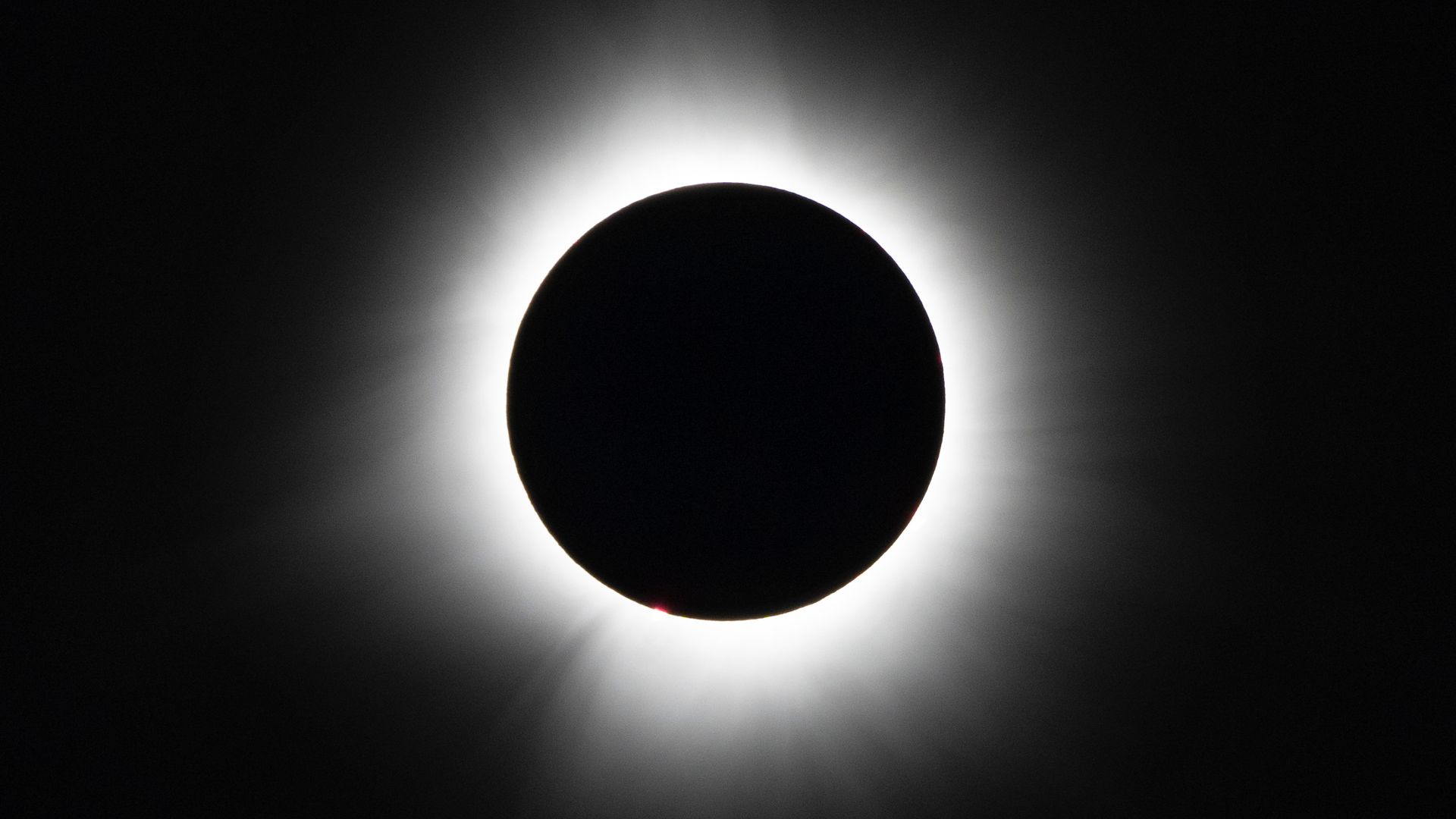
If you are standing in London or Paris, where the Moon takes a massive bite out of the solar disc, the ambient light will drop. The temperature may dip slightly. Birds might grow confused. But the sky will not turn black. The solar corona—the ghostly, million-degree plasma atmosphere of the Sun visible only when the bright photosphere is completely blocked—will remain entirely hidden behind the glaring remnant of the sun.
Viewing a ninety percent partial eclipse with certified safety glasses is an interesting scientific exercise. Witnessing totality without filters is an entirely different neurological event. The drop in temperature is immediate and visceral. Stars and planets snap into view against a twilight sky. The horizon glows in a 360-degree sunset ring because the shadow is only covering your immediate vicinity, leaving the distant horizon illuminated.
Confusing the two experiences leads to severe logistical disappointment and overcrowded transit networks for a glorified overcast afternoon.
The Logistics Crisis No One is Discussing
Travel agencies have packaged the 2026 event as a seamless European getaway. The reality on the ground in rural Iceland and northern Spanish hamlets will look closer to a disaster management simulation.
Infrastructure in the Icelandic Westfjords and smaller Spanish interior towns is not scaled for a sudden influx of hundreds of thousands of international astro-tourists. Rental car inventories are finite. Single-lane mountain roads leading to optimal viewing centerlines will clog instantly once the partial phases begin.
Furthermore, post-eclipse gridlock is historically brutal. When totality ends, every visitor attempts to evacuate the narrow corridor simultaneously. Highways leading away from major viewing zones in Spain and Iceland will transform into parking lots for hours. Experienced chasers factor in an extra forty-eight hours of buffer time before and after the event just to navigate the gridlock.
Strategic Positioning for the Informed Observer
If you are committing to the 2026 eclipse, abandon standard tourist itineraries.
First, monitor micro-climate data rather than national forecasts. Coastal inversion layers frequently plague northern Spain and Iceland in August, while interior plateaus often remain clear. Being mobile is mandatory. Renting a camper or an off-road vehicle provides the flexibility to pivot forty miles inland on the morning of the event if coastal fog threatens the view.
Second, check the topography. Use topographical mapping software to verify that your chosen viewing spot has a completely open western view down to the horizon. A two-degree rise in the horizon will rob you of the sunset totality entirely.
The clock is ticking down to a celestial alignment that European observers have waited a generation to witness. Treat the logistics with the skepticism of a seasoned field reporter, secure your mobility, and refuse to trust a static hotel booking when the shadow is moving at Mach 2.