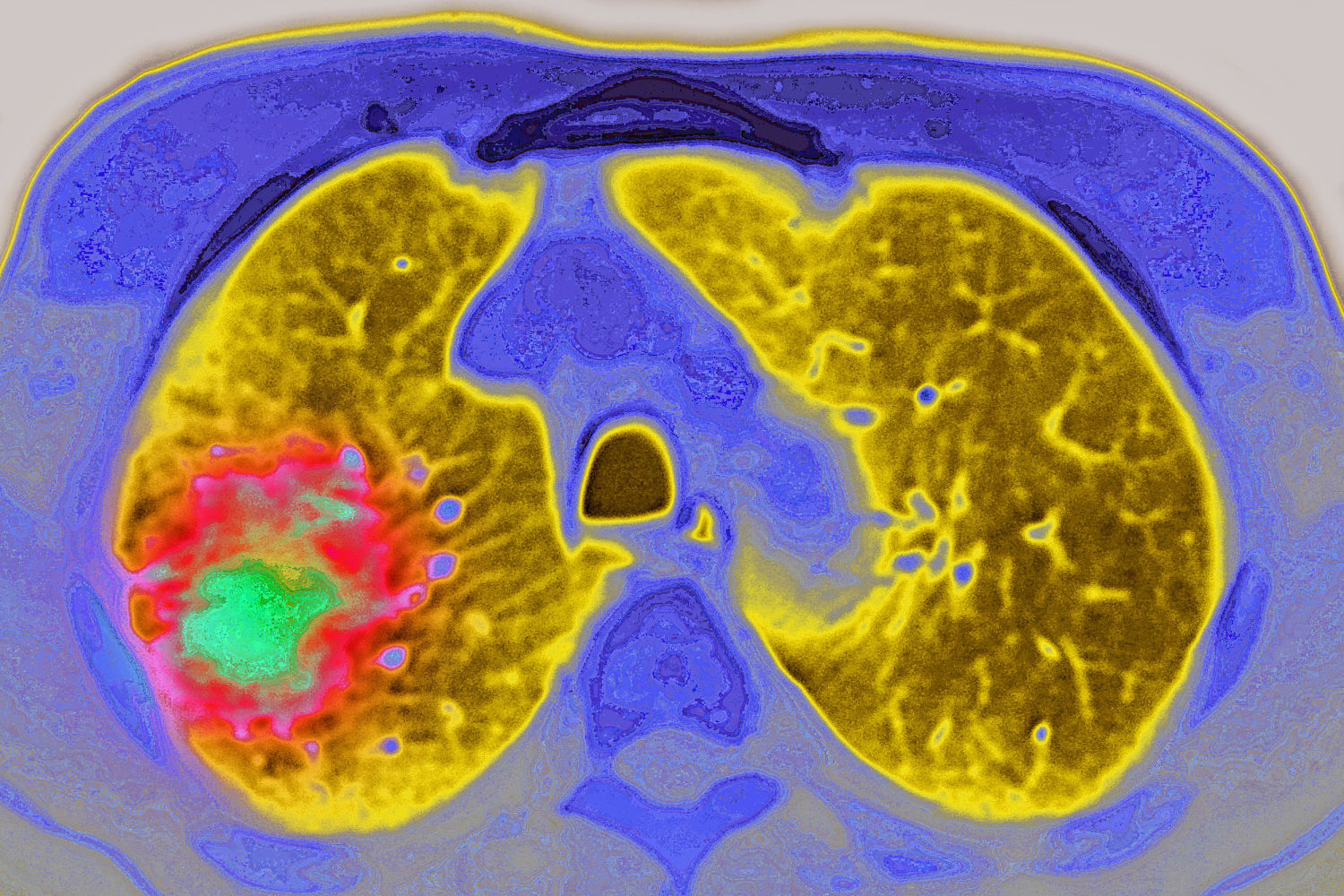
Weight loss and blood sugar control dominate the headlines when people talk about GLP-1 drugs like Ozempic, Wegovy, and Mounjaro. But a quiet shift is happening in oncology labs right now. Recent clinical data suggests these medications do far more than shrink waistlines. They might actually slow down cancer progression.
If you are tracking the evolution of metabolic health, you need to pay attention to this. It is not about a miracle cure. It is about how altering metabolic pathways changes the environment where tumors thrive. For years, doctors noticed patients on these medications seemed to fare better against certain chronic diseases. Now, the data is catching up to the observations.
We need to look at what the latest research actually says, why the insulin connection matters, and what this means for patients managing a diagnosis today.
The Science Connecting Metabolic Health to Tumor Growth
Cancer cells are notorious energy hogs. They rely heavily on glucose to fuel their rapid division and spread. When a person has insulin resistance or high circulating blood sugar, they are essentially feeding the beast. High insulin levels also signal cells to grow. In a body fighting malignancy, that is the worst possible signal.
GLP-1 receptor agonists change this dynamic. By mimicking a natural gut hormone, they force the pancreas to release insulin only when needed, lowering overall blood sugar. They also delay gastric emptying and signal brains that we are full. The resulting weight loss reduces chronic inflammation.
Think of chronic inflammation as gasoline on a fire. Adipose tissue, or body fat, secretes inflammatory proteins called cytokines. Tumors use these cytokines to build new blood vessels and hide from the immune system. When you reduce that fat tissue, you cut off the supply line.
Researchers at institutions like the Cleveland Clinic have been tracking these outcomes. They found that patients using GLP-1 medications showed a lower incidence of 13 different types of obesity-associated malignancies, including colorectal, pancreatic, and endometrial cancers. It is not just about prevention, though. The real excitement lies in how these drugs affect someone who already has a diagnosis.
Shifting the Tumor Microenvironment
A tumor does not live in a vacuum. It relies on the surrounding tissue, blood vessels, and immune cells. This is the tumor microenvironment.
When blood sugar is constantly elevated, the immune system suffers. Natural killer cells, which are the body's first line of defense against abnormal growths, become sluggish and ineffective. They fail to recognize mutated cells.
Recent laboratory studies show that GLP-1 drugs help restore the function of these natural killer cells. By normalizing the metabolic environment, the immune system wakes up. It can actually do its job again.
This is crucial for preventing metastasis. Cancer becomes deadly when it moves. If the immune cells are active and the surrounding tissue is not inflamed, tumor cells have a much harder time breaking away and establishing themselves in new organs.
What the Data Shows and Where It Falls Short
Let's be realistic. We cannot rely entirely on observational studies. Right now, a lot of the excitement comes from retrospective data. Scientists look back at health records of thousands of patients with type 2 diabetes who happened to take GLP-1s, comparing them to patients on other treatments like insulin or sulfonylureas.
The numbers look promising. Patients on GLP-1s consistently show lower rates of cancer recurrence and longer progression-free survival times. But retrospective studies have flaws. They show association, not causation. We cannot definitively say the drug stopped the tumor. It might just be that the patients taking these newer medications had better access to healthcare overall.
Dedicated clinical trials are currently underway to prove causation. Oncologists are testing GLP-1 drugs alongside traditional chemotherapy and immunotherapy. They want to see if the combination therapy yields better results than standard treatment alone.
We also have to acknowledge the risks. Early animal studies raised questions about thyroid C-cell tumors. While human data has largely cleared these medications of causing widespread thyroid issues, anyone with a personal or family history of medullary thyroid carcinoma must stay away from them. Gastrointestinal side effects like severe nausea and gastroparesis can also complicate nutrition for patients already struggling with cancer-related weight loss. Balance is everything.
How to Apply This Knowledge Right Now
If you or a loved one are navigating a cancer diagnosis, do not rush out to demand an Ozempic prescription solely for tumor control. That is premature. Instead, use this information to change how you approach metabolic health during treatment.
- Ask your oncologist for a fasting insulin and HbA1c test. Do not just look at standard fasting glucose. You want to know if your body is pumping out excess insulin to keep your blood sugar normal.
- Prioritize muscle mass over simple weight loss. If you lose weight on a GLP-1 drug but lose muscle, your metabolism plummets. This compromises your strength during cancer therapies. Focus on protein intake and resistance training.
- Discuss metabolic interventions with your medical team. If you have type 2 diabetes or prediabetes alongside a cancer diagnosis, ask if a GLP-1 receptor agonist makes sense as part of your comprehensive care plan. Frame it around optimizing your metabolic terrain to support your primary cancer treatments.
The connection between metabolism and oncology is finally getting the attention it deserves. Managing your metabolic health is not a sideshow. It is a core pillar of longevity and disease resistance. Keep an eye on the emerging trial data, optimize your daily nutrition, and view blood sugar management as a vital piece of your recovery strategy.



