If you had an immigrant visa interview scheduled at a US embassy this week, your plans just evaporated. The State Department has hit the brakes on visa appointments worldwide, leaving thousands of applicants stranded in administrative limbo. Official statements claim the sudden global halt accommodates a new training program for consular officers, but look beneath the surface. This is a calculated tightening of the legal immigration pipeline.
Applicants woke up to cancellation emails with no clear timeline on when new dates will drop. If you've spent months gathering documents, paying fees, and rearranging your life for an appointment, this disruption is brutal. Let's break down what's actually happening, why it matters right now, and how to protect your immigration timeline.
Inside the Global Visa Freeze
The State Department rolled out its mandate across all embassies and consulates, forcing immediate rescheduling of active interviews. The stated reason points to training consular staff on rigorous screening protocols. Specifically, officers are learning to hunt for indicators that an applicant might eventually rely on public benefits—the classic "public charge" test weaponized to filter out working-class applicants.
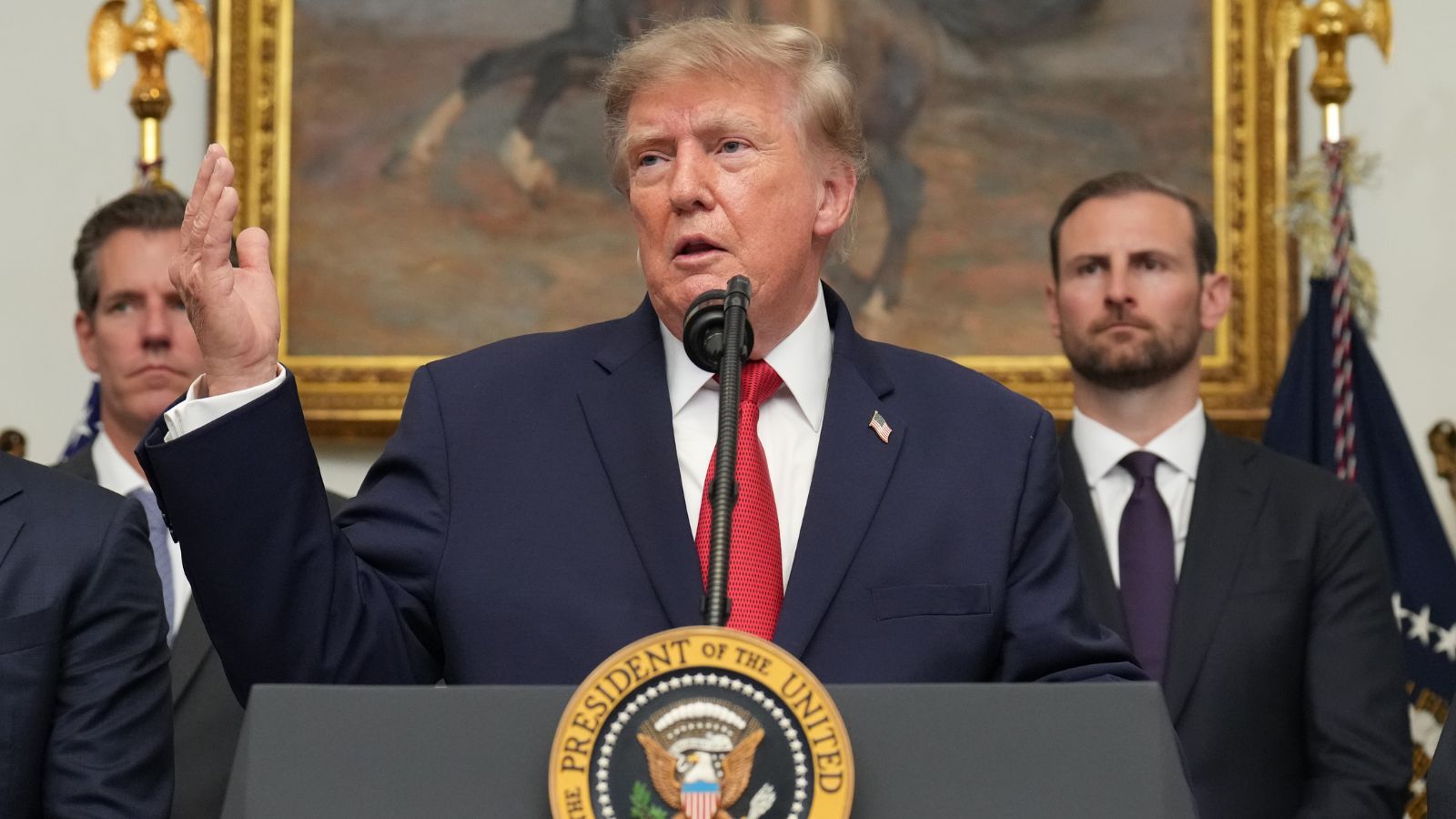
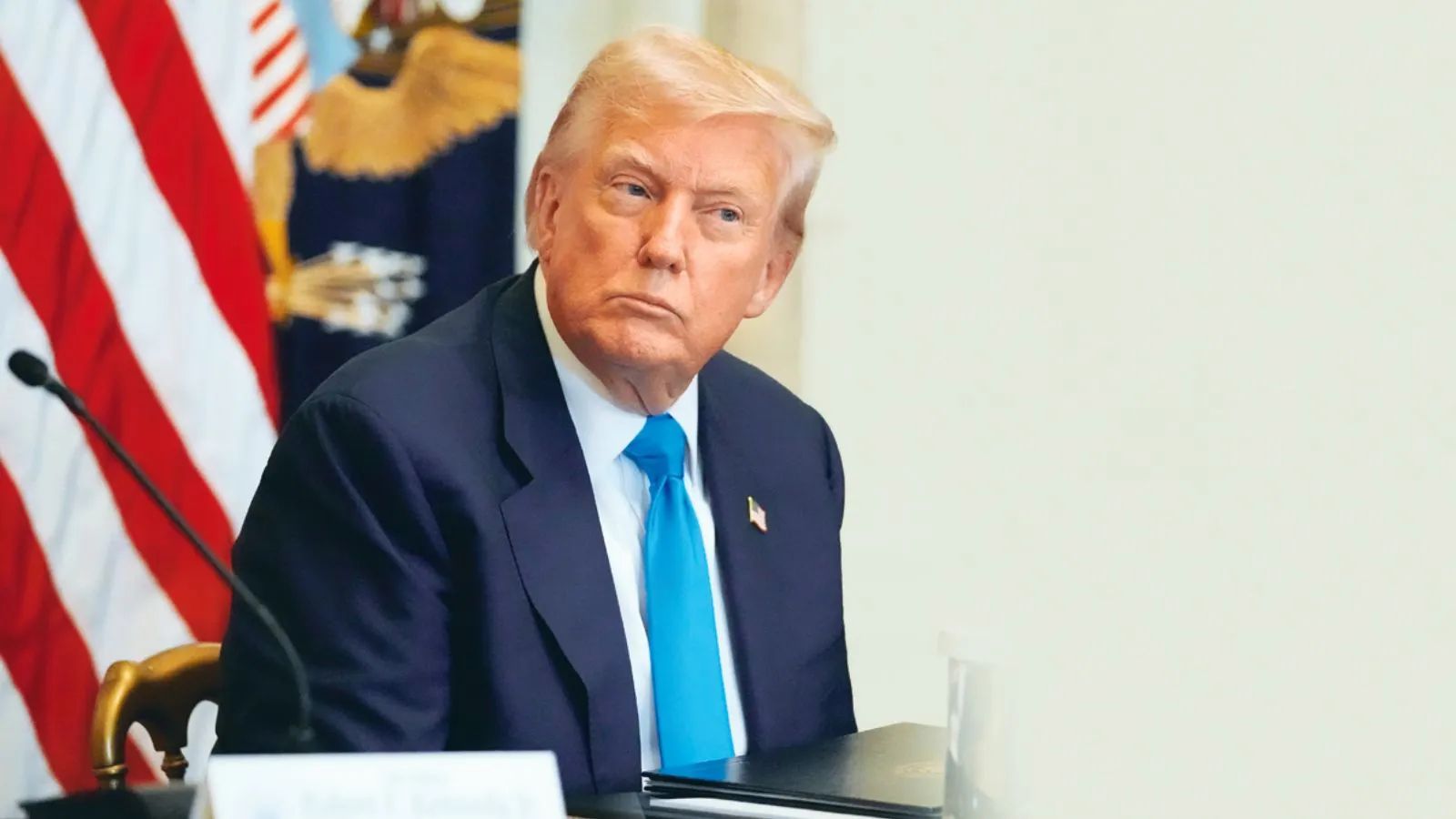
This move doesn't happen in a vacuum. It forms one piece of a massive strategy by the Trump administration to restrict both lawful and undocumented entry. Alongside the interview pauses, the Department of Homeland Security has pushed aggressive financial hurdles, including a proposed $103,265 fee for cap-subject H-1B visa petitions.
The Broader Crackdown on Legal Pathways
Most people assume immigration crackdowns target only undocumented border crossings. That is a dangerous misconception. The current administration targets legal pathways with equal intensity.
Consider the escalating pressure on temporary visitors. Plans are underway to revoke B1 and B2 business and tourism visas held by up to 200,000 foreigners who have sought asylum. If executed, it marks the largest mass pulling of visas in US history. Add in mandatory social media history checks, ideological vetting tied to political expressions, and erratic visa bond demands, and the entire system becomes an obstacle course.
The system is designed to exhaust applicants. When you introduce unpredictable interview cancellations alongside skyrocketing application costs, many simply give up.
Legal Roadblocks and Judicial Pushback
The administration doesn't have an entirely free hand. Federal courts continue to block some of the administration's aggressive maneuvers.
A federal judge recently struck down a policy that suspended immigrant visas for applicants from 75 countries, ruling that Secretary of State Marco Rubio exceeded statutory authority. Earlier, courts also blocked sweeping attempts to dismantle refugee systems and cap H-1B fees. Litigation provides a vital check, but lawsuits move slowly. Meanwhile, the global appointment pause remains active, disrupting lives today.
Protecting Your Status Right Now
If your interview got canceled, waiting passively is a losing strategy. Consular backlogs will compound exponentially once these training windows close.
Check your email daily, including spam folders, for official rescheduling notifications from the National Visa Center or your local embassy. Keep your civil documents updated. Police certificates, medical exams, and financial sponsorships expire quickly. If your medical clearance lapses because of these administrative delays, you will have to pay for a brand-new examination.
Consult an immigration attorney before altering any travel arrangements or submitting supplemental paperwork. Mistakes under the new screening guidelines trigger immediate denials. Stay adaptable, keep your documentation pristine, and prepare for a much longer journey through the system.