The floor of the basement club in London was sticky with spilled cider and broken dreams. It is the kind of place where young singers go to die, or at least to have their confidence quietly dismantled by the hum of a refrigerator and the indifference of a crowd more interested in their phones than the stage. Then a twenty-year-old girl named Sienna Spiro walked to the microphone. She didn’t have a choreographed entrance. She didn’t have a light show. She just had a coat that looked slightly too big for her and a nervous habit of twisting a ring on her finger.
Silence is a rare commodity in the modern music industry. Usually, we are pelted with noise—over-produced synths, ghost-written hooks, and social media algorithms designed to scream for our attention every six seconds. But when Sienna opened her mouth, the silence didn't just happen. It descended. It was the kind of hush that feels heavy, like the air right before a thunderstorm breaks.
She sang a note that felt less like a sound and more like a memory. It was soulful, scratched at the edges, and devastatingly honest. In that moment, the "voice of a generation" tag—a label usually reserved for corporate marketing decks—suddenly felt like an understatement.
The Weight of a Natural Gift
Sienna Spiro grew up in West London, but her voice sounds like it traveled through time from a 1960s soul session in Muscle Shoals. To understand her rise, you have to understand the sheer weight of possessing a gift that feels older than you are. Most twenty-year-olds are busy trying to find their aesthetic or curating a digital persona that hides their insecurities. Sienna seems to be doing the opposite. She is stripping the paint off the walls.
Her breakthrough didn't happen because of a reality TV judge's whim or a massive billboard in Times Square. It happened through the brutal, democratic filter of the internet. When she posted a video of herself singing "Need Me" in her bedroom, she wasn't looking for a record deal. She was looking for a release. The video went viral not because of the lighting—which was dim—but because of the vulnerability.
Think about the last time you heard someone sing and felt like they were telling you a secret they hadn't told anyone else. That is the Spiro effect. It’s an emotional transparency that bypasses the brain and goes straight for the throat.
The Mechanics of the Soul
We often talk about talent as if it’s a magical spark, but for Sienna, it’s a physical reality. The grit in her tone comes from a place of genuine technical mastery mixed with raw instinct. Musically, she occupies a space somewhere between the jazz-inflected phrasing of Amy Winehouse and the powerhouse resonance of Adele. But comparisons are lazy. They are the tools we use when we can’t quite wrap our heads around something new.
The real story isn't who she sounds like; it’s what she does to the listener.
There is a specific frequency in the human voice that triggers empathy. It’s a biological response. When Sienna hits her lower register, it vibrates in a way that feels grounding. When she reaches for those soaring, desperate high notes, it mimics the sound of a human cry. It is calculated beauty masquerading as effortless emotion. Except with her, the calculation seems absent. She sings like she’s trying to claw her way out of a room.
The industry noticed. Fast. Labels started circling like sharks that had smelled something far more interesting than blood: authenticity. In an era where AI can generate a perfect pop song in three seconds, a human being who can make you cry with a single breath is worth more than any algorithm.
Beyond the Viral Moment
But what happens after the world stops to listen? This is the invisible stake of Sienna’s journey. The transition from a girl singing in her room to a "generational voice" is a perilous one. We have a habit of consuming young talent, of turning their pain into products and then wondering why they burn out.
Sienna Spiro doesn't seem to be in a rush. She has the kind of quiet confidence that comes from knowing exactly who you are, even if you’re still figuring out how you fit. She isn't chasing trends. There are no trap beats, no over-processed autotune. It’s just her, a piano, and a vocal that sounds like it was carved out of ancient stone.
The industry often wants to polish the edges of a singer until they’re as smooth and forgettable as a river rock. But it’s the edges—the cracks, the rasps, the sudden breaks in her voice—that make us trust her. We crave the imperfect. We need the singer who sounds like they might fall apart at any second but somehow stays whole.
The New Architecture of Fame
Most people see a viral video and think it’s luck. It isn't. It’s the culmination of years of singing along to records, of vocal exercises in the car, of the terrifying bravery it takes to record your heart and hit "upload." For Sienna, the "overnight" success was actually years of internal preparation.
The shift in the music landscape is profound. We used to have gatekeepers—men in suits who decided what we heard. Now, we have a digital meritocracy where a girl from London can bypass the suits and go straight to the ears of millions.
But with that power comes a different kind of pressure. Every comment section is a jury. Every play count is a metric of your worth. Sienna seems to have tuned that out. She isn’t singing for the likes. She’s singing because if she didn’t, she might explode. That’s the difference between a performer and an artist.
The Sound of Tomorrow
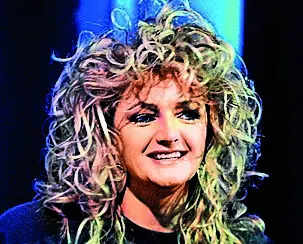
There’s a photograph of her from a recent performance. She is leaning into the microphone, her eyes closed, her hand clutching the stand like it’s the only thing keeping her on the planet. Behind her, the band is in shadow. All the light is on her. It isn't a spotlight. It’s a glow.
If you close your eyes and listen to "Need Me," you aren't thinking about a 20-year-old on TikTok. You are thinking about your own first heartbreak. You are thinking about that night you sat on the floor and wondered how you were going to move forward. You are thinking about the way it felt to be young and raw and entirely too sensitive for the world.
Sienna Spiro is more than a voice. She is a mirror. We aren’t just listening to her; we are listening to the parts of ourselves we usually keep hidden in the dark.
The room is still quiet. We are all just waiting for her to take the next breath.