The coffee in the editing bay is always lukewarm, tasting faintly of tin and burnt ambition.
Lin stares at the monitor, his eyes bloodshot, watching a digital actress deliver a monologue about heartbreak with the emotional resonance of a microwave. Her skin catches the virtual light with terrifying precision. Every pore is mapped. Every stray hair dances in a calculated algorithm of wind. But when she weeps, the tears do not track gravity correctly. They slide too fast, slick beads of code rushing down a cheek that has never felt cold winter air or the sting of a real betrayal.
Lin is a human writer in Beijing. Or at least, he used to be. Now, he is an architectural mechanic for ghosts.
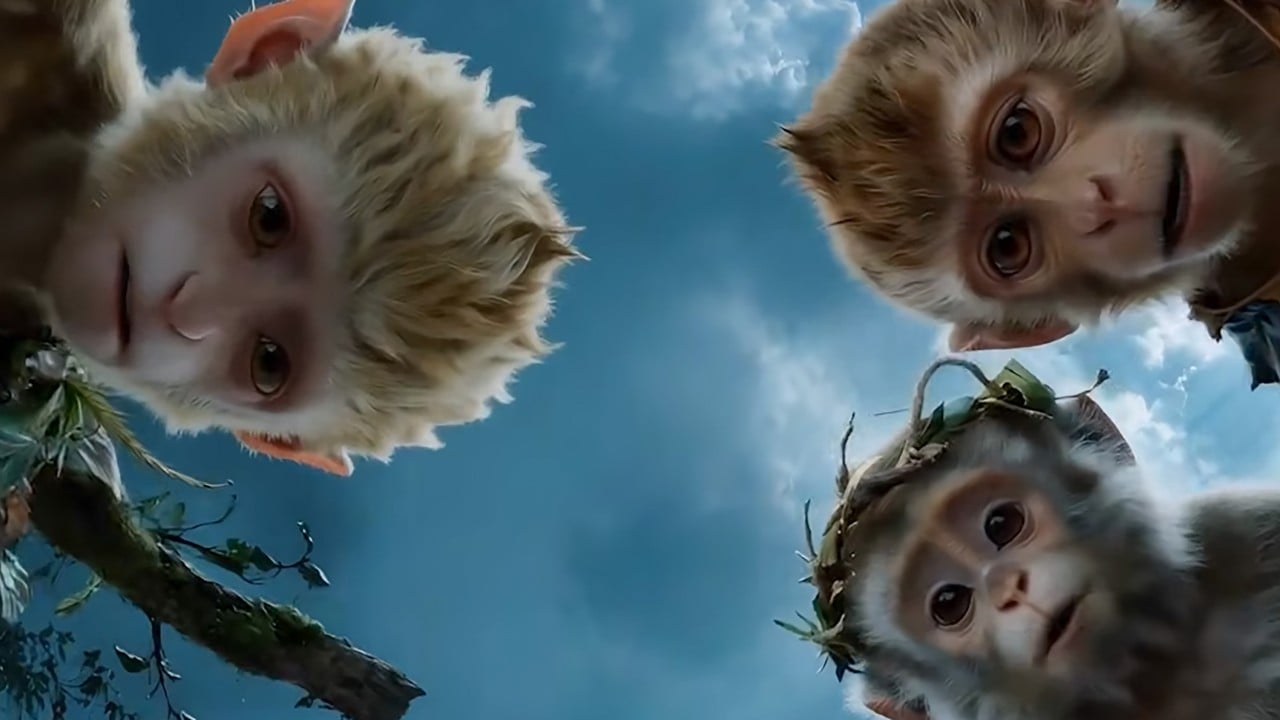
Across China, television screens are shifting. The latest prime-time drama drawing millions of nightly viewers does not star the weathered actors who spent decades cutting their teeth on theater stages or freezing on Hengdian backlots. It stars entities born from server racks. These AI-generated series, once relegated to the blurry, uncanny-valley fringes of short-video apps, have officially crossed the threshold into mainstream broadcasting. They occupy prime real estate on television schedules, pulling in advertising revenue that used to fund human dreams, human sweat, and human errors.
Consider what happens when perfection becomes the baseline.
For years, the entertainment machine operated on a predictable, chaotic friction. Writers missed deadlines. Actors caught colds. Directors had ego clashes that somehow bled raw emotion into the final cut. That friction was the art. It was the messy, beautiful residue of human lives colliding on a soundstage.
Now, the friction is gone.
In its place stands an assembly line of automated narrative. Studios feed historical text, viewer retention metrics, and preferred character archetypes into localized generation models. Within hours, scripts materialize. Within days, virtual actors are rendered, voiced by synthetic neural networks trained on the cadence of classical voice actors who signed away their vocal cords for a lump sum three years ago.
The economic logic is brutal. Why pay a star twenty million yuan for a forty-episode run when an algorithm demands zero catering, never walks off the set, and works twenty-four hours a day without complaining about the script logic? Why risk a scandal when your lead actor is a string of math that will never post a regrettable tweet at three in the morning?
Lin remembers when he loved this work. He remembers sitting in cramped apartments eating instant noodles, arguing with directors about whether a character would really walk away in the rain. That argument mattered. It hurt. It meant something was at stake.
Today, Lin’s job is to inject mistakes.
The machine is too clean. Viewers rejected the first wave of AI dramas not because they looked fake—technologically, they looked stunning—but because they looked too right. The lighting was too balanced. The emotional arcs hit their beats with the mechanical punctuality of a Swiss train. Real human stories stumble. They hesitate. They contradict themselves.
So, Lin sits in the dark and types intentional flaws into the prompt parameters. Make her hesitate for two seconds before answering. Let his voice crack on the third syllable. He is a curator of artificial hesitation, hired to fake the humanity that the industry systematically dismantled to save on overhead.
The scale of this transition is staggering. Industry reports from Beijing and Shanghai note a sharp spike in studio investments toward generative video pipelines. Major platforms are launching dedicated channels for synthetic content. We are watching the industrialization of empathy.
It is terrifying. It is also completely irresistible to bean counters who have watched profit margins shrink under the weight of traditional production costs.
To understand why this matters, you have to look past the balance sheets and into the living rooms of the viewers.
Grandmother Wang doesn't care about neural networks. She cares about her evening serial. She sits in her armchair in Chengdu, sipping jasmine tea, watching a sweeping costume drama about the Tang Dynasty. The costumes are historically immaculate. The palace halls stretch endlessly into digital horizons. The actors look like porcelain dolls brought to life by sorcery.
She is entertained. But something subtle is missing from the air in the room. There is no watercooler chatter tomorrow about whether that actor actually felt the heartbreak his character portrayed. There is no gossip about off-screen romances or difficult shoots. The mystery has been solved by mathematics. Art has been replaced by product optimization.
We have engineered a way to bypass the artist entirely.
When photography arrived, painters panicked, thinking their medium was dead. But photography freed painters to invent abstraction, expressionism, and surrealism. It forced them to dig deeper into the subjective human experience.
This is different. Generative AI is not a brush. It is an automated substitute for the painter's hand, heart, and history. It learns from what we have already done, synthesizes the average of our collective output, and spits out a polished, frictionless echo. It does not feel the grief it depicts. It has never loved, lost, or stared at a ceiling at dawn wondering how to pay rent.
Yet, millions consume it. Because when you are tired after a twelve-hour shift in a real, exhausting world, sometimes you just want the pretty lights and the predictable emotional beats, delivered without any messy human complications.
Lin closes his laptop. The screen goes black, reflecting his own tired face in the glass.
Down the street, neon signs bleed into the damp Beijing pavement. Somewhere nearby, a server hums quietly in a refrigerated room, rendering tomorrow's episode. A digital actress is learning how to smile. She will never grow old, she will never grow tired, and she will never know what it cost us to build her.