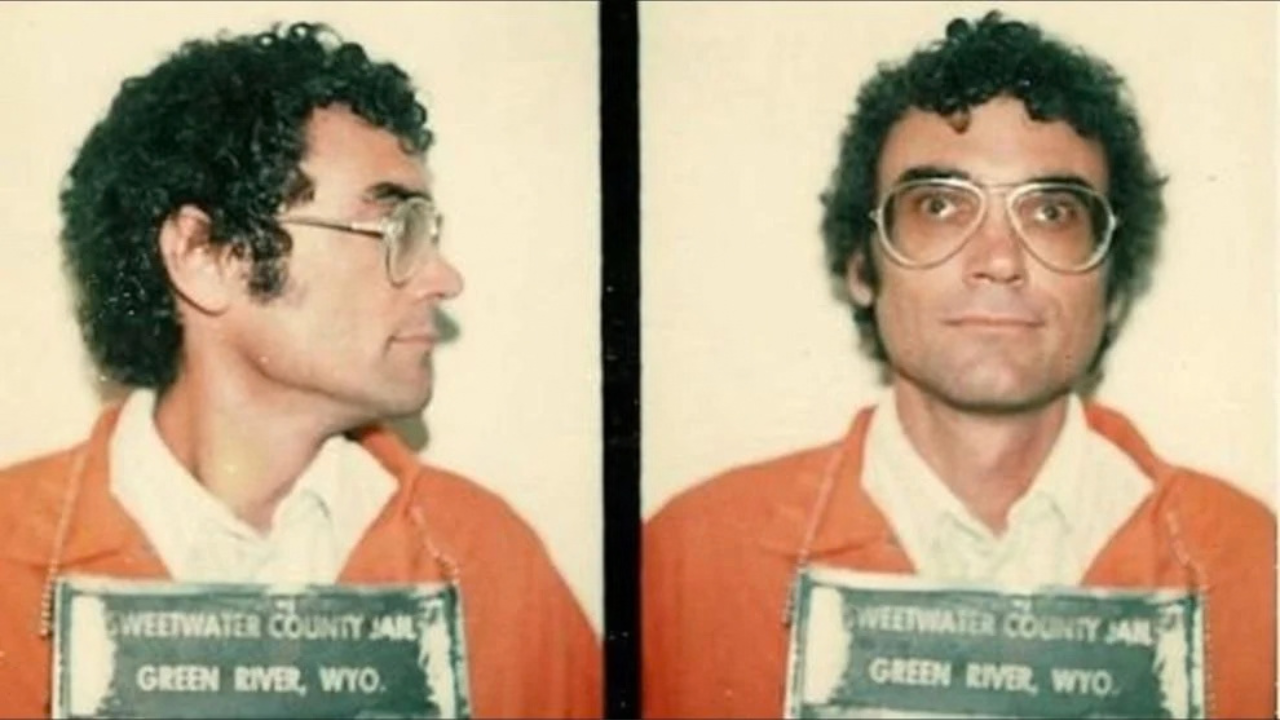
For forty years, a fugitive lived in plain sight by assuming the identity of a dead classmate, systematically draining federal assistance funds while federal oversight mechanisms failed to notice the deception. This extraordinary case of long-term identity theft exposes profound vulnerabilities in federal public benefit verification systems. When a man can successfully vanish into the biographical skeleton of a deceased peer for four decades, collecting more than one hundred thirty-eight thousand dollars in government checks, the problem extends far beyond a single criminal act. It reveals structural cracks in how agencies track mortality, verify identities, and prevent ongoing fraud.
Identity theft involving deceased individuals, often referred to as ghost-name assumption or tombstoneing, relies on a grim statistical reality. Bureaucratic silos have historically struggled to cross-reference vital statistics with federal disbursement databases in real time. A Social Security number issued decades ago belongs to a sequence that predates modern digital verification. If an individual died during childhood or before establishing extensive credit files, their identity essentially exists as an unmonitored asset. A clever fugitive with intimate knowledge of local childhood peers can harvest that biographical data, construct a parallel life, and maintain it indefinitely through routine renewals of driver licenses, utility bills, and tax filings. If you found value in this article, you should look at: this related article.
The mechanics of maintaining a stolen identity for forty years require an almost pathological discipline. Every interaction with society—from renting an apartment to opening a bank account—threatens to expose the discrepancy between the person standing at the counter and the paper trail of the deceased. Yet, millions of Americans navigate low-scrutiny bureaucratic lanes every day. Cash economies, small-town administrative offices, and paper-based record-keeping in previous decades provided fertile ground for deception. The fugitive did not need high-tech cybercrime tools. He only needed time, a lack of digital scrutiny, and bureaucratic inertia.
Government oversight agencies face a persistent balancing act between administrative efficiency and fraud prevention. To ensure elderly or disabled citizens receive their monthly assistance without interruption, programs like Social Security must process millions of transactions rapidly. Heavy-handed verification hurdles can inadvertently freeze legitimate beneficiaries out of their funds, creating political and humanitarian backlashes. Consequently, verification systems historically relied on the assumption that beneficiaries would report life changes, or that death notices would filter through standard bureaucratic channels. When those channels failed, fraudsters found permanent hiding spots in the administrative blind spots. For another look on this development, see the recent coverage from Al Jazeera.
The modern biometric and digital era makes forty-year impersonations increasingly difficult, but legacy vulnerabilities persist. State registries now share data more aggressively with federal databases, and automated death master file updates catch many anomalies that once slipped past human reviewers. However, millions of older accounts remain grandfathered into older verification frameworks. The case of the forty-year phantom serves as a stark reminder that administrative systems are only as reliable as their weakest integration point. As long as vital records remain fragmented across state and federal jurisdictions, opportunistic individuals will find ways to exploit the gaps between them.


