Ink on paper dries quickly. Blood on stone takes longer to fade.
Walk through the dusty borderlands of Rawalakot on an unseasonably warm afternoon, and you will find a silence that feels heavier than noise. It is the silence of an open secret. For years, international intelligence desks have churned out reports about wanted men, blinking red alerts, and hollow diplomatic warnings. Yet, in the shaded alleys where whispers carry further than official communiqués, another reality persists. Certain men do not simply vanish. They evaporate into the administrative fog, protected by invisible architecture, only to reappear when the regional temperature rises. Also making news in related news: The Structural Mechanics of Iran State Control Four Years Post Mahsa Amini.
Consider the recent announcement of a seventy-five-lakh bounty, a heavy numerical sum dangled before the public as proof of pursuit. To an observer sitting thousands of miles away in a sterile corporate office, it looks like progress. It looks like a price tag slapped onto lawlessness. But down on the ground, where the soil smells of sun-baked dust and diesel exhaust, people just shake their heads. They have seen this play before.
A price is set. A headline is generated. The international press cycles through the outrage cycle for forty-eight hours. And then, the story goes quiet. Additional details regarding the matter are detailed by The New York Times.
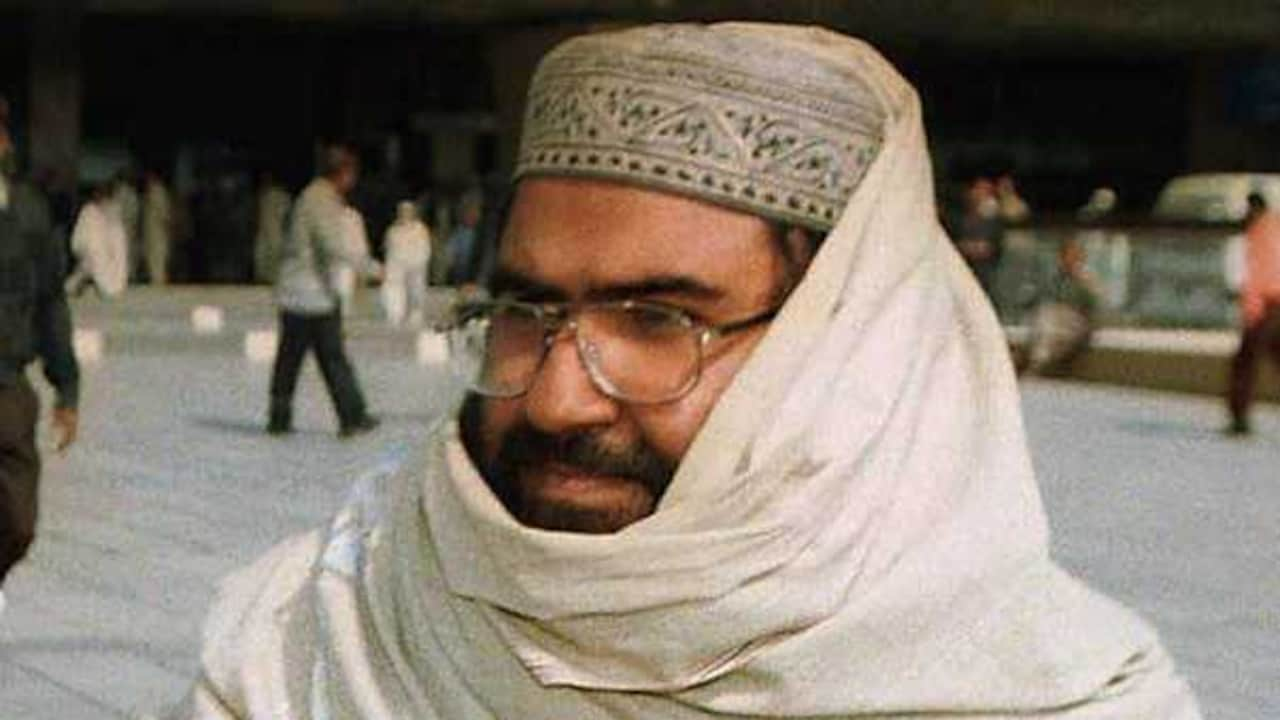
The protagonist of this recurring tragedy is a man whose name is whispered rather than spoken. Masood Azhar. For decades, he has occupied a strange quantum state in geopolitical affairs: simultaneously declared dead by rumor, sidelined by illness, and yet perpetually active through the infrastructure he built. Intelligence agencies tracking the shadowy resurgence of Jaish-e-Mohammed operations note a familiar pattern. New bases sprout in remote terrain. Concrete foundations are poured under the cover of monsoon rains. Local contractors ask no questions because asking questions in certain zip codes is a short route to a shallow grave.
Picture a small roadside tea stall thirty miles outside Bahawalpur. The tea is boiling in a dented aluminum pot, sending curls of sweet, cardamom-scented steam into the dry air. Two men sit on plastic stools, staring intently at the flickering screen of a cracked smartphone. A news anchor is speaking urgently about counter-terrorism metrics, international pressure, and frozen assets. One of the men takes a sip of his tea, chuckles softly, and looks across the road toward a high brick wall topped with concertina wire.
Nothing changes here. The signboards shift, the aliases multiply, but the machinery of radicalization hums on, powered by institutional inertia and strategic ambiguity.
To understand why a wanted man can remain perpetually missing in plain sight, we have to look past the dramatic headlines and examine the mechanics of protection. Terrorism on this scale is not sustained by lone wolves hiding in caves. It requires logistics, supply lines, local complicity, and state-level blindness—sometimes willful, sometimes forced. When a terrorist organization establishes a new base, it does not do so in a vacuum. It integrates. It builds mosques that double as recruitment centers. It offers welfare to impoverished families, buying silence with sacks of flour and religious certainty.
This is the hidden cost of geopolitical maneuvering. While diplomats argue over extradition treaties and financial grey lists, communities bear the weight of proximity. A mother in Srinagar or a shopkeeper in Jammu does not care about a seventy-five-lakh bounty. Money cannot buy back a lost son. Statistics cannot mend a shattered neighborhood.
For years, analysts have relied on a comforting fiction: that pressure works, that economic isolation will starve these networks of oxygen, and that designated individuals eventually become irrelevant. But biology and ideology adapt. When one leader steps into the shadows due to failing health, a younger, more ruthless faction steps up to take the reins. The infrastructure remains. The training manuals are updated, not discarded. The digital encryption changes, but the core objective—chaos, disruption, and division—remains remarkably constant.
Let us be completely transparent about the limits of our knowledge. No outsider possesses a complete blueprint of the inner sanctums where these decisions are made. We piece together the puzzle from intercepted communications, satellite imagery showing fresh construction where barren scrubland used to be, and the quiet testimonies of defectors who managed to cross the line before their luck ran out. We know that financial networks stretch across borders, disguised as legitimate charities or trading houses. We know that the software used to coordinate logistics is as modern as any Silicon Valley startup's.
Yet the response remains archaic. We chase ghosts with paper trails.
When a government announces a massive reward for information leading to the capture of a phantom, it is often signaling more to its international partners than to domestic criminals. It is a theatrical performance. Look, we are trying. Look, the price is high. But a reward implies that the target's location is a mystery—a needle hidden somewhere in a massive geographic haystack.
In reality, the haystack is privately owned, well-guarded, and surrounded by warning signs.
The danger of this persistent game of hide-and-seek is normalization. When a terrorist leader becomes a recurring character in a long-running geopolitical soap opera, the public stops feeling the urgency. Outrage fatigues. The human brain cannot sustain white-hot anger for decades; it settles into a dull, exhausted resignation. We read the latest dispatch about a new training camp opening in a rugged border district, shrug, and turn the page to the sports scores.
That resignation is precisely what the architects of terror bank on. They know that time is on their side, that attention spans are short, and that the international community has too many crises on its plate to maintain focus on one persistent ghost in the mountains.
Look closely at the architecture of the new Jaish base mentioned in recent intelligence briefings. It is not a primitive encampment of tents and campfires. It is modular, decentralized, and deliberately integrated into civilian zones. Human shields are not just a wartime tactic; they are a daily real estate strategy. By embedding operational hubs near schools, clinics, and residential clusters, these groups create an impossible dilemma for any opposing force. Strike the base, and you invite a humanitarian catastrophe and a propaganda victory for your enemies. Leave it alone, and you allow a cancer to spread quietly beneath the skin.
This is why the case of the ever-missing terrorist matters so much. It is a stress test for the international order. It exposes the limits of deterrence in a world where sovereign states can play double games with impunity. Until the international community stops treating terrorism as a diplomatic inconvenience to be managed and starts treating it as an existential cancer to be excised at the root, the bounties will keep rising, the headlines will keep repeating, and the tea stalls along the border will remain filled with men who know that the ghost is not lost at all.
He is just waiting for the lights to go out.


