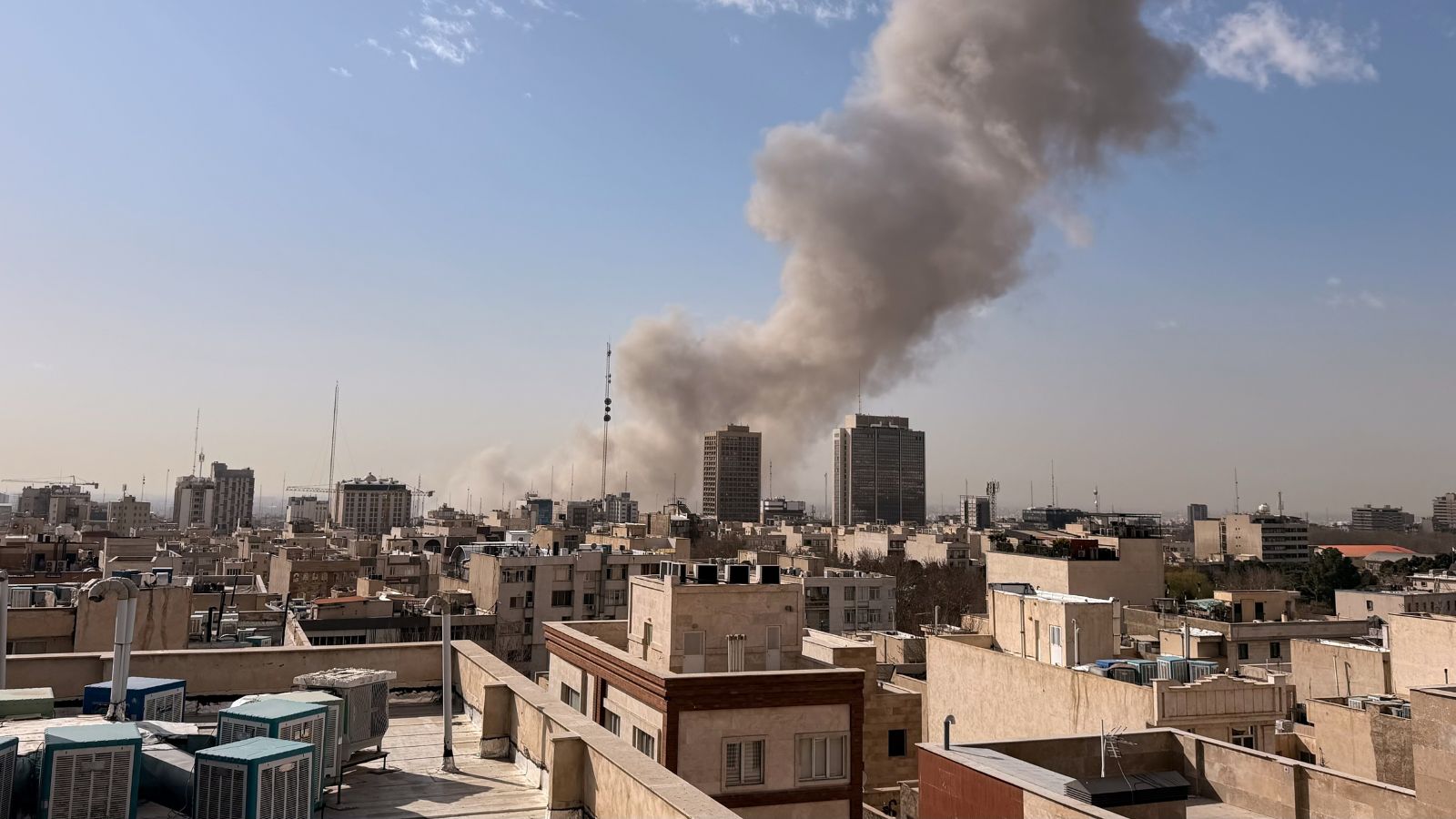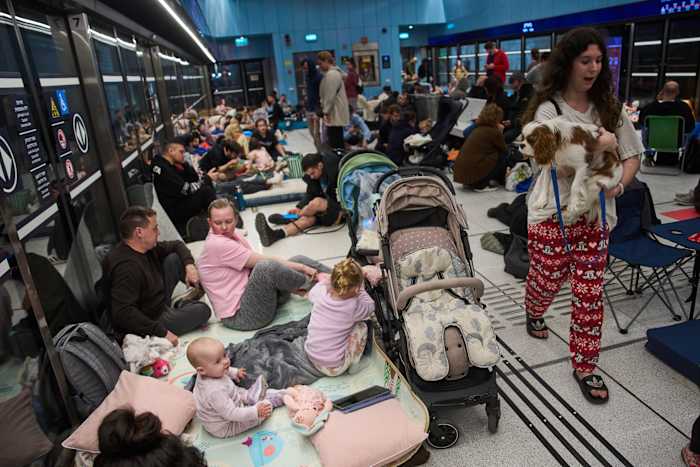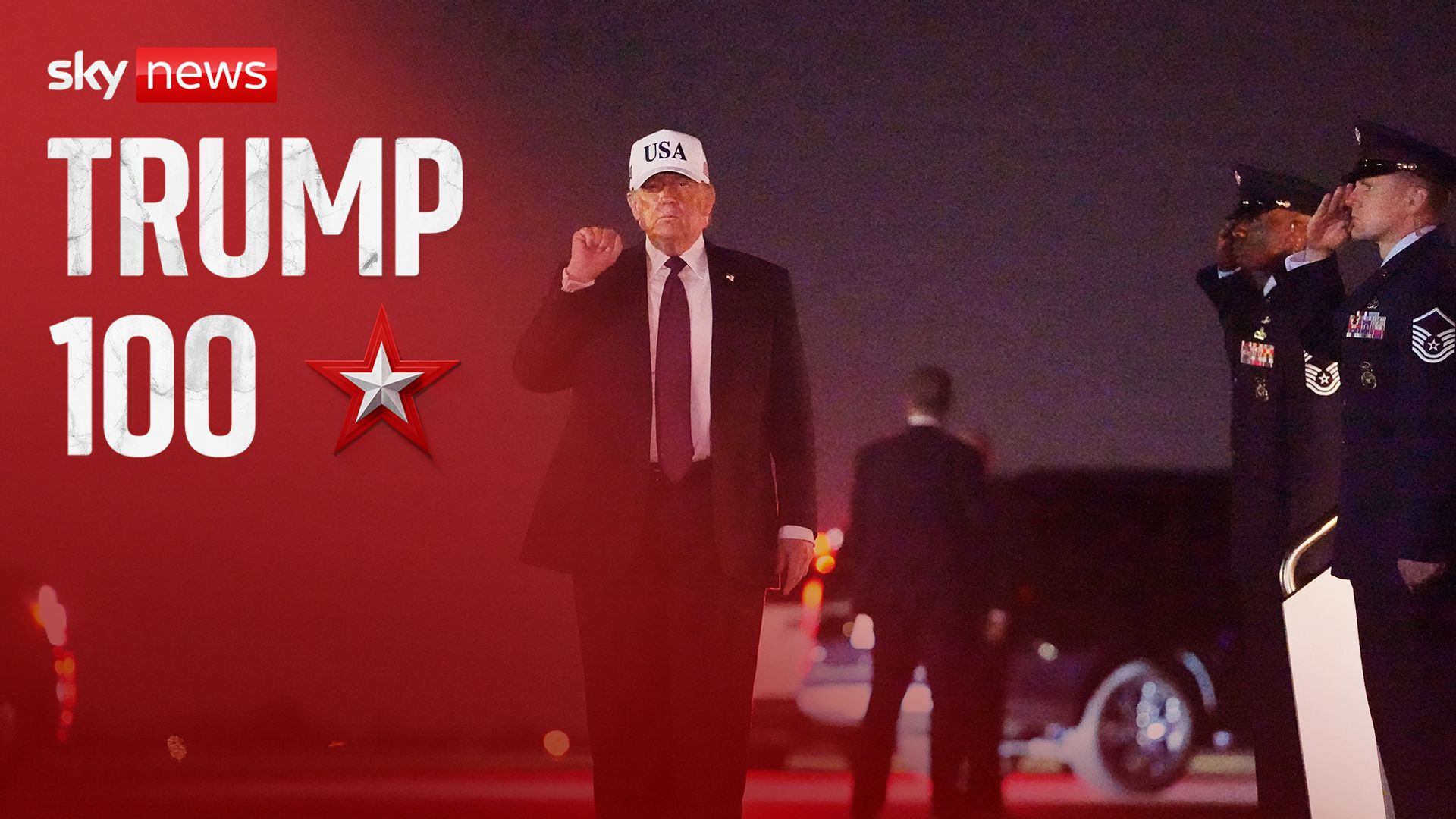
The mainstream media is addicted to the "drums of war" narrative because fear sells subscriptions. Every time a carrier strike group moves or a fresh round of sanctions hits the wire, the pundits dust off the same 2003 playbook. They want you to believe we are on the precipice of a hot, boots-on-the-ground conflict that will redefine the Middle East.
They are dead wrong.
What the "War with Iran" crowd misses—either through incompetence or a desire for clicks—is that we aren't looking at a prelude to an invasion. We are looking at a masterclass in aggressive leverage and managed friction. The "war" isn't coming; it’s already happening, but it’s being fought with balance sheets and regional proxies rather than amphibious landings.
If you’re waiting for a declaration of war, you’re looking at the wrong map.
The Myth of the Ground Invasion
The loudest voices in the room love to compare Iran to Iraq. This is a fundamental failure of geography and military math. Iraq is a flat basin; Iran is a fortress of mountains. To "invade" Iran, you would need a force three times the size of what we sent in 2003, and you would be fighting a cohesive national identity, not a fractured regime.
I’ve sat in rooms with defense contractors who salivate at the idea of a $2 trillion budget for a Persian campaign. They know it won't happen. The logistical tail required to occupy a country with that terrain is a non-starter for an administration that campaigned on ending "forever wars." Trump isn't looking to build a multi-decade nation-building project in Tehran. He’s looking to bankrupt the current management and force a deal that looks good on a Mar-a-Lago scorecard.
The "Maximum Pressure" campaign isn't a ramp-up to kinetic war. It is the war. When you disconnect a nation from the SWIFT banking system and drop their oil exports to near-zero, you are dropping bombs without the messy PR of civilian casualties. It’s cleaner, cheaper, and far more effective at destabilizing a regime than a Tomahawk missile ever could be.
Follow the Money Not the Rhetoric
The "lazy consensus" argues that aggressive rhetoric leads to accidental escalation. This ignores the cold reality of the global oil market. A full-scale war in the Persian Gulf would send Brent crude soaring toward $200 a barrel.
Do you honestly believe a President who views the S&P 500 as his personal approval rating is going to tank the global economy and spark a domestic recession over a regional dispute?
- Energy Independence: The U.S. is now a net exporter. We don't need the oil; we just need the price to stay stable for the voters.
- Insurance Premiums: Shipping costs in the Strait of Hormuz are the real battlefield. By making it expensive for Iran to move goods, the U.S. wins without firing a shot.
- The China Factor: Iran is China’s gas station. Every sanction against Tehran is a subtle tax on Beijing.
This isn't a conflict about "freedom" or "nuclear proliferation" in the vacuum-sealed way the State Department describes it. It’s a commodity squeeze. If you want to know if war is actually coming, stop watching CNN and start watching the tanker insurance rates in London. If the Lloyd’s of London underwriters aren't panicking, neither should you.
The Proxy Paradox
Critics argue that Trump is "igniting" the region. In reality, he is formalizing a conflict that has been simmering for forty years. For decades, the U.S. tried to play both sides, hoping for a "pivot" that never came. The current strategy is a brutal acknowledgment of reality: you cannot negotiate with a revolutionary theocracy that views your existence as a theological error.
By backing the Abraham Accords and aligning the Gulf states with Israel, the U.S. created a self-sustaining regional containment unit. This is the "outsourcing" of empire. Why should American teenagers die in the desert when the Saudis and Emiratis are perfectly willing to pay for the hardware to contain their own neighbor?
The brilliance—and the danger—of this approach is its honesty. It abandons the pretense of "peace processes" for the reality of "power balances."
The "Accidental War" Fallacy
"What if someone makes a mistake?" the experts ask. "What if a drone strike goes too far?"
Professional militaries don't "stumble" into world wars. They communicate through backchannels even while they’re trading insults on social media. During the most heated moments of the last four years, the Swiss embassy in Tehran has been the busiest building in the world.
Imagine a scenario where a tactical error occurs. In the old world, that’s a Casus Belli. In the current era, it’s a negotiation point. We saw this when Iran retaliated for the Soleimani strike. They fired missiles at an airbase, gave plenty of warning, and hit empty space. It was a choreographed dance—a way for both sides to "win" the PR war without losing a single ship.
The risk isn't war. The risk is a permanent state of high-tension limbo that drains resources and prevents any real regional stability. But for a transactional leader, limbo is a great place to do business.
Stop Asking the Wrong Questions
Most people are asking: "When will the war start?"
The better question is: "Who benefits from the threat of war?"
- Defense Contractors: They get to sell THAAD systems to the UAE.
- The Iranian Hardliners: They use "The Great Satan" to distract from a collapsing rial.
- The U.S. Administration: It creates a perpetual "tough guy" image for the base without the body bags that usually come with it.
If you are a business leader or an investor, ignore the headlines about troop deployments. They are props in a theater of the absurd. Instead, focus on the structural shift in the Middle East. The old guard is being replaced by a cynical, transactional alliance of convenience.
The "War with Iran" is a ghost story told to keep people from noticing that the entire architecture of the Middle East has been flipped on its head. The U.S. isn't trying to win a war; it’s trying to exit a burning building while making sure the door is locked from the outside.
Stop falling for the bait. There is no invasion coming. There is only more of the same: more sanctions, more cyberattacks, more proxy skirmishes, and more "maximum pressure." It’s not a war; it’s a siege. And in a siege, the one with the biggest pantry wins.
The U.S. has the pantry. Iran has the rhetoric.
Bet on the pantry.