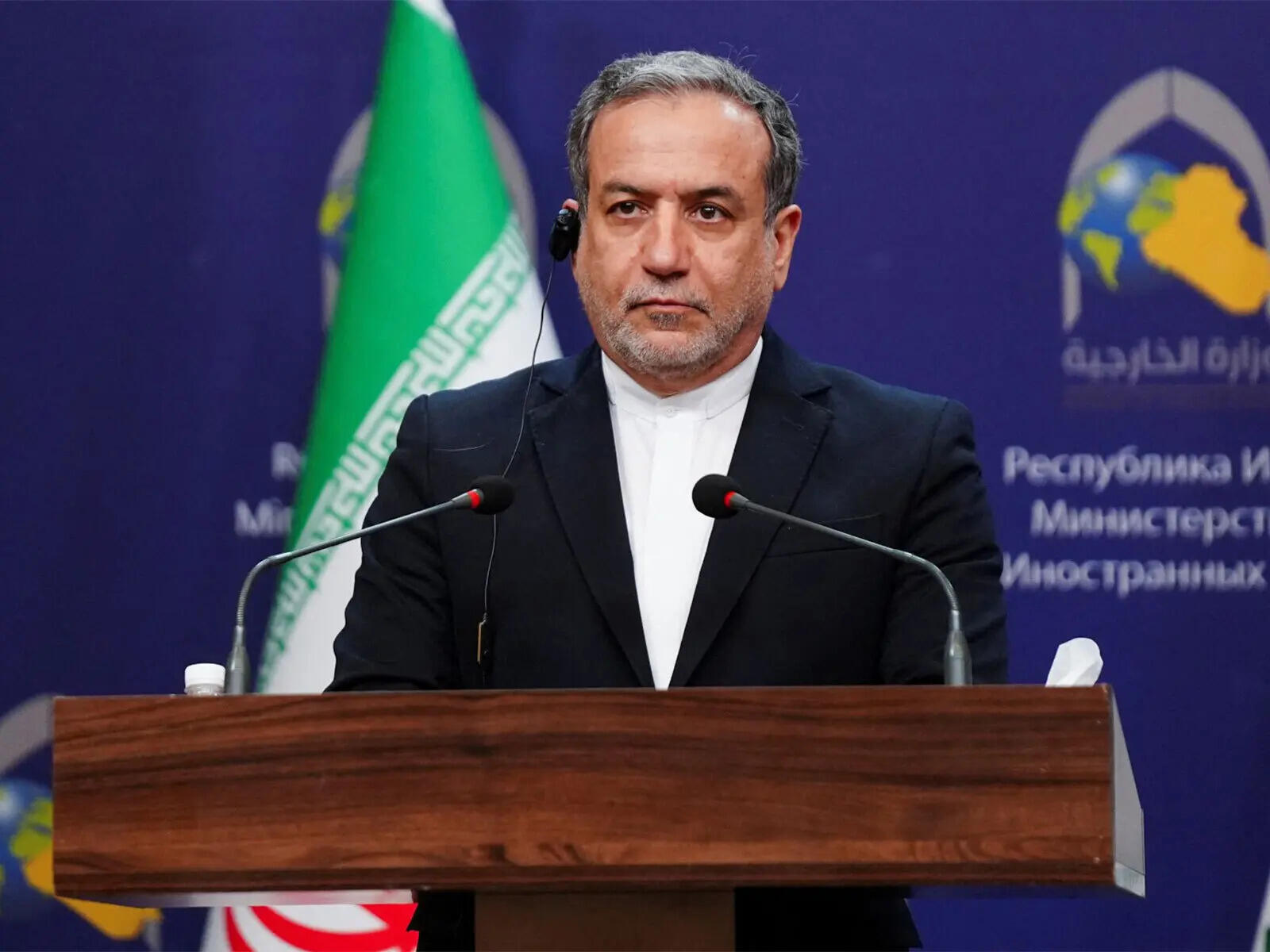
Geopolitical alignment imposes measurable security externalities on host nations when strategic infrastructure is leveraged by allied belligerents. The recent diplomatic friction between Tehran and London regarding United States access to facilities such as RAF Fairford and Diego Garcia exposes a structural vulnerability in bilateral defense pacts. When a sovereign state permits a primary belligerent to utilize domestic or territorial installations for power projection, it structurally reallocates its international status from neutral mediator to active enabler under the strict tenets of international law.
The Legal Mechanics of Third Party Complicity
Under established frameworks of public international law, specifically the United Nations General Assembly Definition of Aggression resolution, the threshold for complicity does not require direct kinetic engagement. The provision of territorial infrastructure—including runways, intelligence nodes, and logistical staging areas—shifts the liability profile of the host government.
The structural variables governing this liability include:
- Operational Enablement: The degree to which remote strikes rely on the staging base for fuel, maintenance, or ordnance loading.
- Strategic Intent: The formal endorsement of allied objectives by the executive branch of the host nation, transitioning use rights from routine maintenance to active campaign support.
- Legal Precedent: The invocation of collective self-defense doctrines versus the execution of proactive power projection.
When the Iranian foreign ministry designates British cooperation as an act of aggression, Tehran is leveraging this precise doctrinal framework. By categorizing the availability of British military assets as an unlawful contribution to an external campaign, Iran establishes the legal prerequisite for invoking Article 51 of the United Nations Charter concerning self-defense against third-party facilitators.
Strategic Divergence in Allied Policy Execution
The transition of executive power in London from Keir Starmer to Andy Burnham maintained a continuity of defense posture that prioritizes alliance maintenance with Washington over regional decoupling. This policy persistence creates a distinct operational paradox. The executive leadership in London asserts a diplomatic stance centered on neutrality in the broader theater while simultaneously underwriting the air operations required to sustain that theater's kinetic tempo.
This dynamic generates a severe risk asymmetry for the host nation:
- Territorial Exposure: Strategic installations become primary retaliatory targets for adversary long-range munitions and asymmetric assets.
- Diplomatic Isolation: Regional actors view bilateral assurances of diplomacy as contradictory when backed by the provision of offensive logistics.
- Escalation Control Loss: The host government surrenders tactical initiative to the primary belligerent while absorbing the secondary consequences of operational expansion.
London attempts to mitigate this through semantic differentiation, insisting that facility access is restricted to maritime protection and defensive asset degradation within the Strait of Hormuz. However, adversary threat assessments calculate risk based on capability enablement rather than declaratory policy. If a bomber or electronic warfare platform launched from a British-administered facility targets integrated air defense systems, the distinction between defensive neutralization and offensive campaign enablement collapses from an analytical perspective.
The Operational Matrix of Regional Chokepoints
The intersection of British base policy and the ongoing conflict in the Persian Gulf highlights a wider structural reality of modern coalition warfare. Critical maritime routes, particularly the Strait of Hormuz, function as high-friction chokepoints where economic security is directly tied to military deterrence.
[Primary Belligerent: US Operations]
       │
       ▼ (Utilizes Logistics & Airfields)
[Host Nation Infrastructure: UK Bases (Fairford / Diego Garcia)]
       │
       ▼ (Enables Campaign Execution)
[Adversary Retaliatory Calculus: Iran]
       │
       ▼ (Reinterprets Status to Active Enabler)
[Regional Security Degradation & Asymmetric Response]
When naval transit security breaks down due to trade blockages and targeted maritime strikes, allied military responses require deep logistical footprints. Sovereign territories outside the immediate theater absorb the strategic blowback of these interventions. The cost function for the UK involves balancing transatlantic alliance cohesion against the direct elevation of domestic vulnerability profiles.
Strategic Recommendation
To mitigate the escalating legal and physical exposure associated with auxiliary military support, the host government must implement a rigorous conditional access framework. This protocol should replace blanket operational approvals with explicit mission-by-mission verification, requiring independent legal certification that any sortie launched from domestic or overseas territories strictly satisfies the criteria of immediate defensive necessity rather than broader campaign enforcement. Without structural separation from offensive power projection, allied base sharing functions as an unhedged liability that accelerates regional entangling alliances.