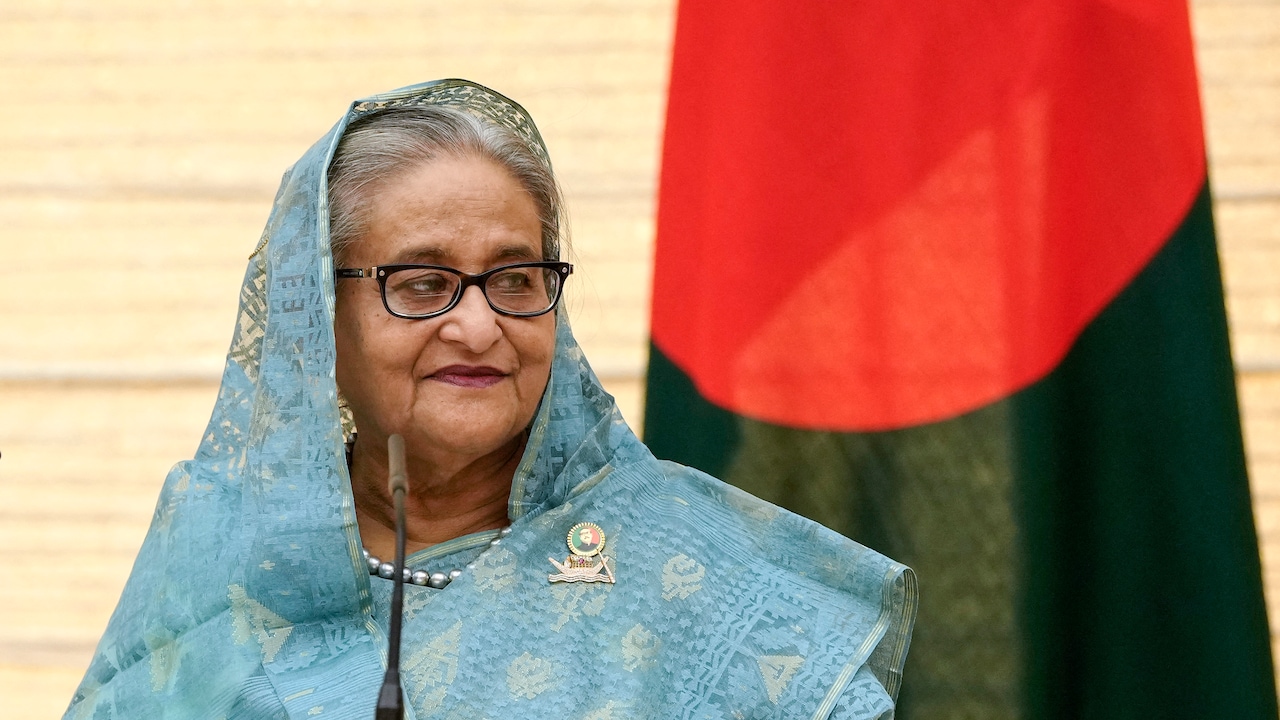
State survival in South Asia requires navigating asymmetric geopolitical dependencies where diplomatic gestures carry long-term security implications. When New Delhi extended emergency shelter to ousted Bangladeshi Prime Minister Sheikh Hasina in August 2024, the decision was framed through the traditional lens of diplomatic obligation and historical partnership. Beneath the surface rhetoric of humanitarian duty, however, lies a complex risk equation involving domestic border security, bilateral continuity, and regional balance-of-power mechanics. Analyzing this diplomatic intervention reveals the hard-nosed calculus governing state sanctuaries during regime transitions.
The strategic rationale for harboring a deposed leader rests on three distinct pillars. First, continuity of intelligence and strategic alignment is paramount for a neighboring power sharing a 4,096-kilometer border. Second, signaling reliability to regional allies ensures that future leadership groups understand the long-term value of bilateral ties with New Delhi. Third, preventing a total vacuum or hostile takeover of strategic assets protects immediate security corridors in India’s volatile northeast.
Yet, this defensive posture introduces significant friction into the bilateral ledger. The transition in Dhaka—ushered in by a massive student-led uprising and subsequent interim administration—transformed the political landscape overnight. When a host nation provides long-term exile to a figure facing domestic legal retribution and war crimes trials, it creates an institutional bottleneck. The incoming administration in Dhaka views the asylum policy not through the lens of humanitarian hospitality, but as an active impediment to transitional justice and sovereign accountability.
The mechanics of this diplomatic standoff generate a zero-sum dilemma for both capitals. For New Delhi, expelling or extraditing a high-profile ally who spent decades ensuring mutual security counter-terrorism cooperation would signal weakness and breach unwritten regional codes of protection. For Dhaka, the continued presence of the deposed leader across the border serves as a rallying point for political polarization, straining economic and trade corridors that depend on stable interstate trust.
To deconstruct the fallout, one must examine the cost function governing bilateral interactions:
- The Security Externality: Border management costs escalate proportionally with political friction in Dhaka. Insurgency containment and cross-border smuggling controls require active intelligence sharing from local law enforcement, which stumbles when diplomatic channels freeze.
- The Domestic Signaling Cost: Political actors in both countries utilize the asylum issue to galvanize domestic constituencies, turning a structural geopolitical problem into an emotive nationalist flashpoint.
- The Third-Party Vector: External global powers increase their diplomatic footprint in Dhaka to fill any strategic void left by strained bilateral friction, altering the regional balance of power.
Managing this friction requires separating operational statecraft from ideological posturing. The structural reality of geography ensures that India and Bangladesh remain permanently intertwined, regardless of ruling regimes. Future stability depends on establishing compartmentalized communication channels that insulate trade, transit, and water-sharing agreements from the polarizing question of political exile. The ultimate test for regional strategy is not how a state justifies a reactive emergency decision, but how it calibrates its diplomatic machinery to normalize relations once the immediate crisis subsides.