You’re going to see some ugly numbers at the pump this week. If you thought the "drill, baby, drill" promises were going to keep your tank cheap, the reality of global geopolitics just slapped a massive tax on your commute. Following the total collapse of peace talks in Islamabad this past weekend, President Trump has ordered the U.S. Navy to begin a full-scale blockade of the Strait of Hormuz.
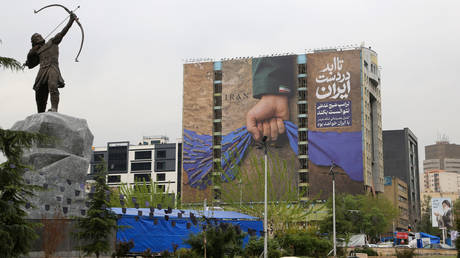
It’s a high-stakes gamble that hits you right in the wallet. Iran’s response? They’re telling Americans to "enjoy" the soaring prices. It’s a taunt, sure, but it’s backed by the cold reality that 20% of the world’s oil and liquefied natural gas (LNG) passes through that narrow 21-mile wide choke point. When you mess with the plumbing of the global energy market, everyone pays the bill.
The failed Islamabad talks and the blockade order
The ceasefire we’ve been living under for the last two weeks was always a fragile thing. Over the weekend, Vice President JD Vance and the U.S. negotiating team sat down with Iranian officials in Pakistan for 21 grueling hours. The goal was simple: get Iran to roll back its nuclear program and stop charging "illegal tolls" for ships passing through the Strait.
It didn't happen. By Sunday morning, the talks were dead.
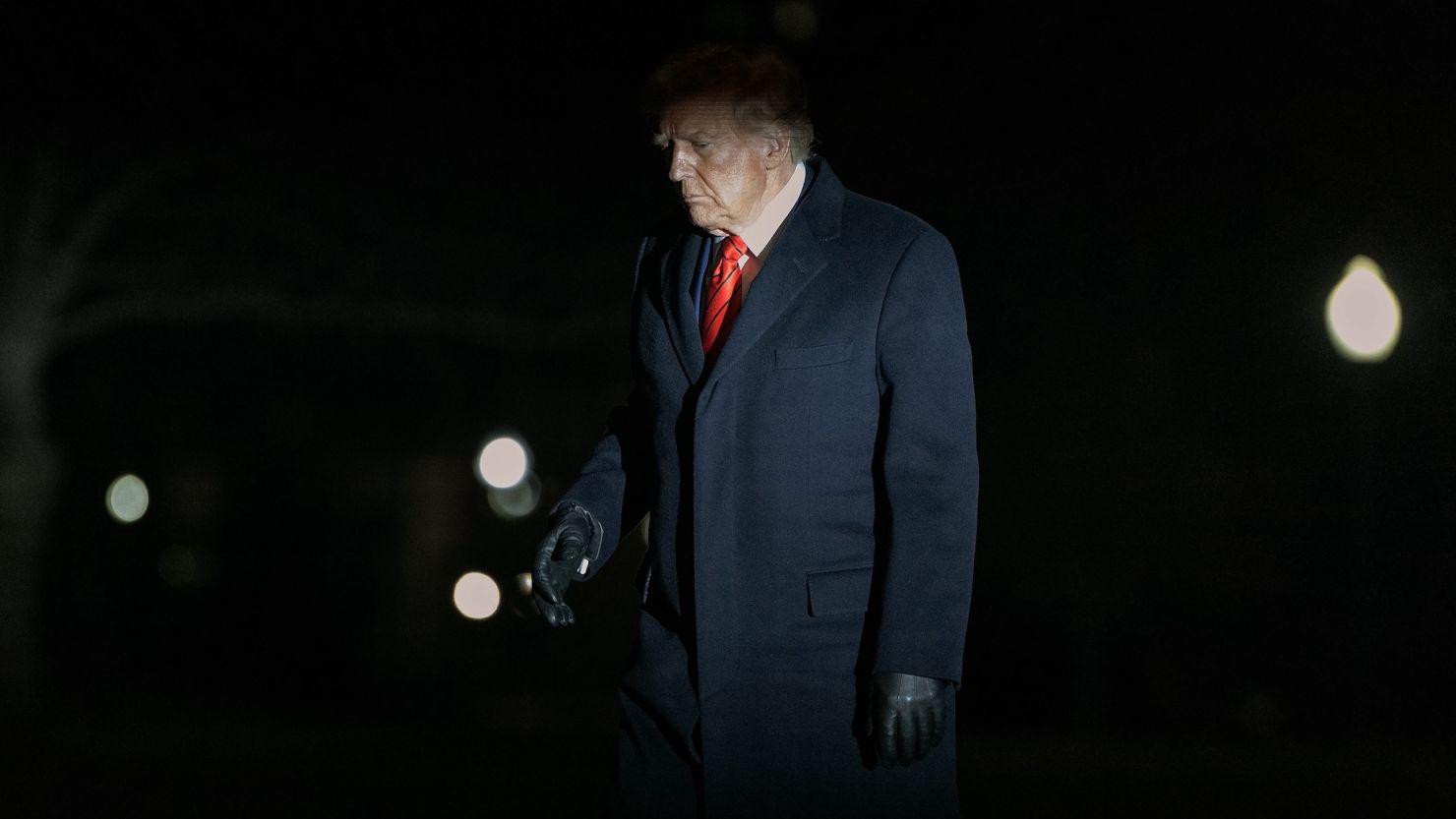
Trump didn’t waste any time. On Truth Social, he announced that the U.S. Navy—the "Finest in the World"—would immediately begin blockading any ship trying to enter or leave Iranian ports. This isn't just about stopping Iranian oil. The President has instructed the Navy to interdict any vessel in international waters that has paid a toll to Tehran. If you pay Iran for passage, you don't get safe passage from the U.S.
This is a total shift in strategy. Instead of just trying to keep the lanes open, the U.S. is now actively choking off Iran’s primary source of revenue. But here’s the problem: Iran has already been playing dirty. They’ve laid mines, attacked merchant ships, and claimed the entire waterway is under their "sovereignty."
Why gas prices are jumping $10 in a single day
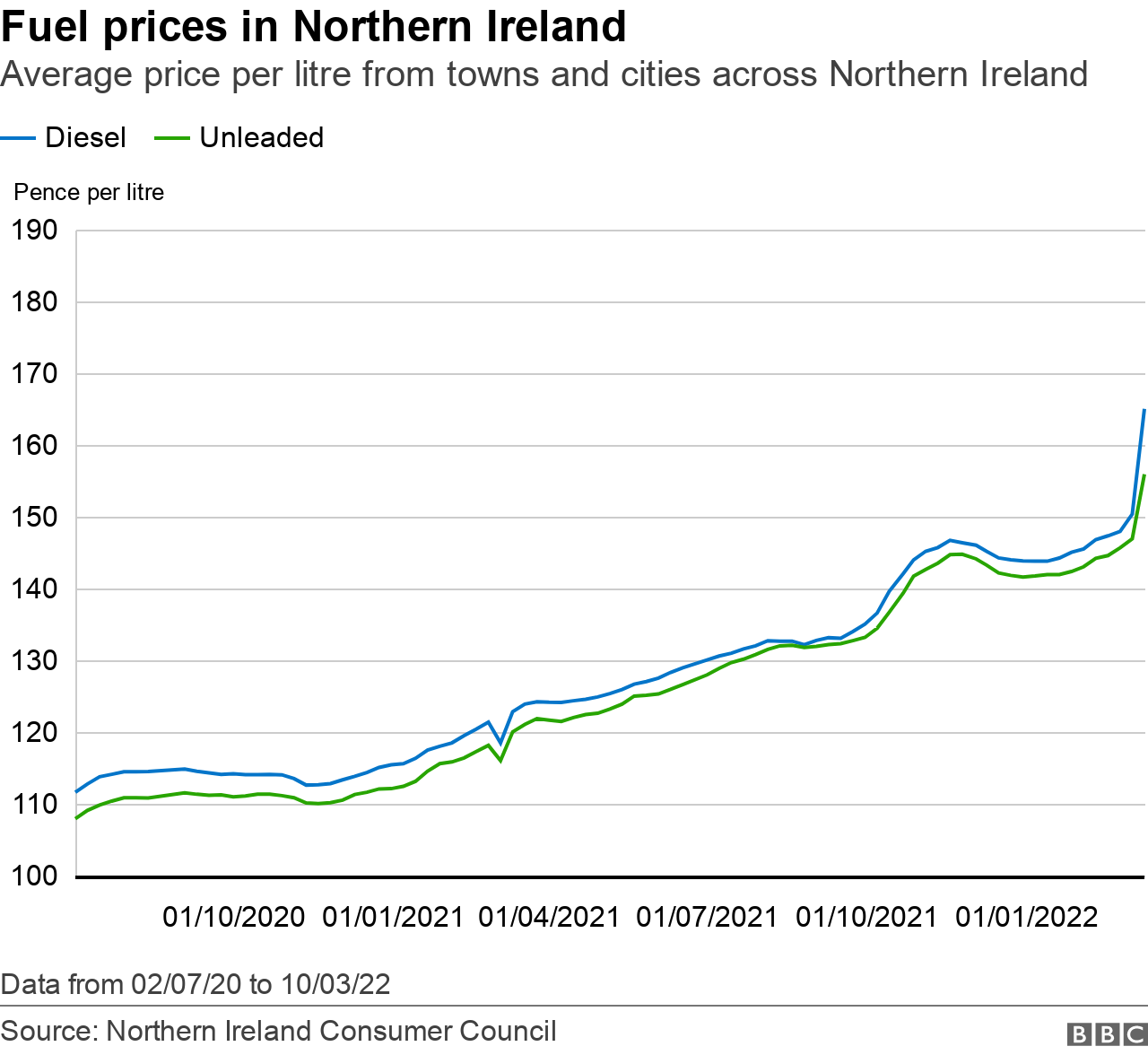
Energy markets hate uncertainty, and they absolutely loathe a blockade. As soon as news of the failed talks broke, Brent crude oil prices shot up nearly 8%, crossing the $102 mark. U.S. West Texas Intermediate (WTI) followed suit, hitting $104.88.
You’re seeing the results of a supply shock that the International Energy Agency is calling the largest in history. When the Strait of Hormuz is effectively closed, it’s like a tourniquet on the global economy.
- Asian markets are starving: China, India, Japan, and South Korea get about 75% of their oil through this route. They’re now scrambling for Atlantic supplies, which drives up the price of the oil we use here at home.
- The LNG crisis: It’s not just about cars. A fifth of the world’s natural gas goes through that strait. European gas prices have doubled because they can't get shipments from Qatar.
- The domestic disconnect: Don’t let anyone tell you that being energy independent makes us immune. Oil is a global commodity. If a refinery in South Korea is willing to pay $110 a barrel because their usual supply is blocked, American producers are going to sell it to the highest bidder. You end up paying that same "world price" at your local station in Ohio or Florida.
Honestly, the "drill, baby, drill" mantra hasn't been the silver bullet people expected. While U.S. production is high, new supply is coming from more expensive basins like the Haynesville, where extraction costs are nearly double compared to older fields. We're producing more, but it's costing more to get it out of the ground, and it's all being sucked into a global vacuum caused by the war.
Iran’s "toll" and the risk of escalation
Iran’s Deputy Parliament Speaker, Haji Babaei, hasn't been shy about the strategy. Tehran is demanding tolls paid in Iranian rials for any ship passing through what they claim are their territorial waters. They’re essentially running a protection racket on the world’s most important energy corridor.
Trump’s blockade is a direct response to this. By stopping ships that pay these tolls, the U.S. is trying to break Iran’s financial back. But this increases the risk of a "hot" naval war. The U.S. Central Command (CENTCOM) says the blockade will be "enforced impartially" starting Monday at 3:00 PM.
What does that look like? It means U.S. destroyers and mine-sweepers are now actively clearing paths while simultaneously turning back commercial tankers. Iran’s Revolutionary Guard has already warned that any military vessel entering the strait will be viewed as a ceasefire violation. They’ve threatened to "blow to hell" (to use the President’s phrasing in reverse) any ship they deem a threat.
What you can actually do right now
Look, I’m not going to sugarcoat it. Unless there’s a sudden U-turn in diplomacy, gas prices aren't going down before the midterms. Trump himself admitted as much, hinting that high prices might be the "cost of victory."
If you're looking to protect your finances, here's the play:
- Lock in your fuel costs if you can: If you’re a business owner or a fleet manager, look into fuel hedging or long-term supply contracts now. $105 oil is bad, but $130 (which some analysts at JPMorgan are predicting) is worse.
- Watch the Saudi East-West pipeline: This is the only major "relief valve" we have. Saudi Arabia says they’ve repaired the damage from earlier strikes and can pump 7 million barrels a day to the Red Sea, bypassing Hormuz. If that pipeline stays open, it prevents a total global collapse. If it gets hit again? All bets are off.
- Adjust your expectations for inflation: High energy costs bleed into everything. Groceries, shipping, and travel are all about to get more expensive. If you were planning a big summer road trip or a cross-country move, do the math again with $5.50 or $6.00 gas.
The reality is that we’re in a period of "stagflation" risk. Low growth and high prices. The U.S. Navy is currently the only thing standing between a semi-functioning market and total energy chaos, but their presence is also the very thing that could trigger a wider conflict.
Keep your eyes on the daily Brent Crude ticker. That’s your real-time indicator of how much your next grocery bill is going to hurt. The blockade is officially on, and the "enjoy the gas prices" taunt from Tehran is a reminder that in this war, the civilian wallet is a primary target. Don't wait for a "final deal" to start budgeting for a much more expensive 2026.