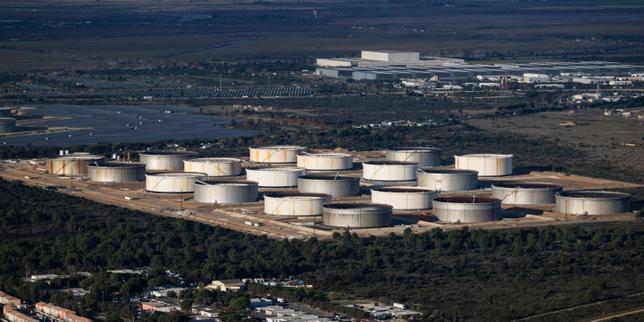
The G7 is staring at a broken energy market and reaching for the only big lever it has left. By threatening to tap into strategic petroleum reserves (SPR), these nations aren't just trying to lower the price at the pump. They're trying to win a psychological war against volatility. It’s a bold move, but if you look at the history of these interventions, the results are often messier than the official press releases suggest.
Most people think releasing emergency oil is a simple fix. It’s not. When the G7 coordinates a massive dump of crude onto the market, they’re essentially shorting their own long-term security to fix a short-term political headache. It's a high-stakes play that can backfire if the market smells desperation.
The Reality of Strategic Oil Stocks
Strategic reserves weren't built for price control. They were built for catastrophes—wars, massive pipeline failures, or natural disasters that physically cut off supply. Using them to "calm markets" is a relatively new phenomenon that treats a symptom rather than the disease.
The International Energy Agency (IEA) mandates that member countries hold stocks equivalent to at least 90 days of net imports. When the G7 talks about a coordinated release, they’re looking at millions of barrels hitting the market daily. On paper, that sounds like a lot. In reality, it’s a drop in the bucket of a world that consumes about 100 million barrels every single day.
Markets react to these announcements in two phases. First, there’s the "headline drop." Prices dip because traders fear the sudden influx of supply. Then comes the "reality check." Once the market calculates exactly how many barrels are coming—and realizes those barrels eventually have to be bought back to refill the tanks—prices often creep right back up.
Why the G7 is Panicking Right Now
It’s about more than just expensive gas. High energy costs are the ultimate inflation engine. They make everything more expensive, from the plastic in your toothbrush to the truck that delivered your groceries. For G7 leaders, sustained high oil prices are a direct threat to their political survival.
Geopolitical tensions are the primary driver here. When major producers in the Middle East or Eastern Europe tighten the taps, the global economy feels the squeeze instantly. The G7's current stance is a signal to OPEC+ that the West won't just sit there and take it. It’s a game of chicken played with tankers and salt caverns.
We saw this play out in 2022. The U.S. led the largest SPR release in history, dumping 180 million barrels over six months. Did it work? It provided some temporary relief, sure. But it also left the American reserve at its lowest level since the 1980s. You can’t play that card twice without serious consequences.
The Hidden Cost of Refilling the Tank
Here’s what the talking heads on financial news usually skip over. Every barrel released today is a barrel that must be replaced tomorrow. This creates a "floor" for future prices. Producers know that at some point, the G7 governments will become the biggest buyers in the market to replenish their stocks.
This creates a weird incentive for oil-producing nations. If they know a massive buy-back is coming, they have very little reason to increase their own production and lower prices now. They’ll just wait for the governments to come knocking with their checkbooks.
- Market distortion: Artificial supply drops prevent the market from reaching a natural equilibrium.
- Reduced cushion: Using emergency stocks for price management leaves us vulnerable if a real supply disruption happens.
- Fiscal impact: Governments often sell high and buy... well, they hope to buy low, but the market doesn't always cooperate.
What This Means for Your Wallet
If the G7 pulls the trigger, you'll likely see a dip in prices at your local station within two to three weeks. It’s a welcome break, but don't bank on it being permanent. These interventions are like taking an aspirin for a broken leg—it masks the pain, but the bone is still snapped.
The real fix requires massive investment in production or an even faster shift toward alternatives. Neither of those happens overnight. The SPR release is basically a bridge. The problem is, we don't always know where the bridge is leading.
If you’re a business owner or someone who drives a lot, don't change your long-term budget based on an SPR announcement. Treat any price drop as a lucky break, not a new baseline. The volatility isn't going away just because a few million barrels moved from an underground cavern to a refinery.
Strategic Mistakes to Watch For
The biggest mistake a government can make is announcing a release without a clear plan for replenishment. It signals weakness. Traders are smart. They know the math. If the G7 releases 60 million barrels and global demand is rising, that supply gets eaten up in less than a day of global consumption.
Another trap is timing. If they release oil while refineries are already running at 95% capacity, that extra crude has nowhere to go. You end up with a glut of raw oil and no extra gasoline or diesel, which does exactly zero to help the average person.
Watch the "cracks"—the difference between the price of crude oil and the products made from it. If the crack spreads stay high, an SPR release is essentially useless. It’s like giving a baker more flour when his oven is already full. You aren't getting more bread any faster.
Next Steps for Staying Ahead
Stop watching the daily price of Brent or WTI crude and start looking at refinery utilization rates. That’s where the real bottleneck usually sits. If you're looking to hedge against energy costs, focus on efficiency rather than hoping for government intervention.
Check your local energy contracts. If prices dip on a G7 announcement, that might be your best window to lock in a fixed rate for the next year. Don't wait for the "bottom" because, in this geopolitical climate, the bottom is a moving target that usually moves up. Keep your tank topped off when you see those temporary dips, but keep your expectations grounded in the reality of a very tight global market.
The G7 is playing its strongest card. Just make sure you aren't the one left holding the bag when the bill for refilling those reserves finally comes due. Use the temporary price relief to audit your own energy consumption. Shift your heavy usage to off-peak hours if you're on a variable plan. Invest in that weatherproofing you've been putting off. The era of cheap, stable energy is on hiatus, and a few million barrels of emergency oil won't bring it back.