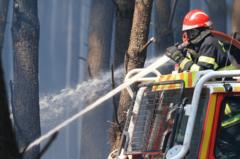
Climate pressure is real. Right now, firefighters across France are sweating through brutal conditions to contain fast-moving wildfires. It's dangerous work. Temperatures are soaring, and dry vegetation acts like kindling. If you think this is just another seasonal flare-up, you're missing the bigger picture.
The Reality on the Ground
When the mercury climbs past forty degrees Celsius, the entire playbook changes. Water evaporates before it hits the ground. Winds shift unpredictably. Fire crews aren't just fighting flames; they're battling exhaustion, dehydration, and radiant heat that can melt equipment. Also making headlines lately: Why The Outrage Over Repatriation Delays Misses The Broken System Causing Them.
Honestly, the physical toll is staggering. Heavy gear traps body heat. Shifts stretch past twelve hours. Teams rely on constant rotation, but resources get stretched thin when blazes break out across multiple regions at once.
You might wonder why these fires spread so fast. Drought plays a massive role. Months of low rainfall turn southern pine forests into powder kegs. More insights into this topic are detailed by The Guardian.
What the Media Misses
Most news reports focus only on the acreage burned. They miss the tactical nightmare commanders face. Ground crews must cut firebreaks manually when bulldozers can't reach remote terrain. Water-dropping aircraft like the Canadair planes provide crucial support, but they're grounded when winds get too violent.
European cooperation helps. Neighboring countries often send backup units. Yet, every nation faces similar climate pressures. Relying on shared assets won't fix structural vulnerabilities.
Practical Steps for Local Communities
If you live in or travel through high-risk zones, preparation matters.
- Clear brush away from buildings.
- Keep emergency kits stocked with water, documents, and respirators.
- Know evacuation routes before local authorities issue alerts.
Ignoring a simple fire ban or tossing a cigarette butt out a car window can trigger a catastrophe. Personal responsibility is the first line of defense.
Stay alert, respect local bans, and support the emergency personnel holding the line against impossible odds.


