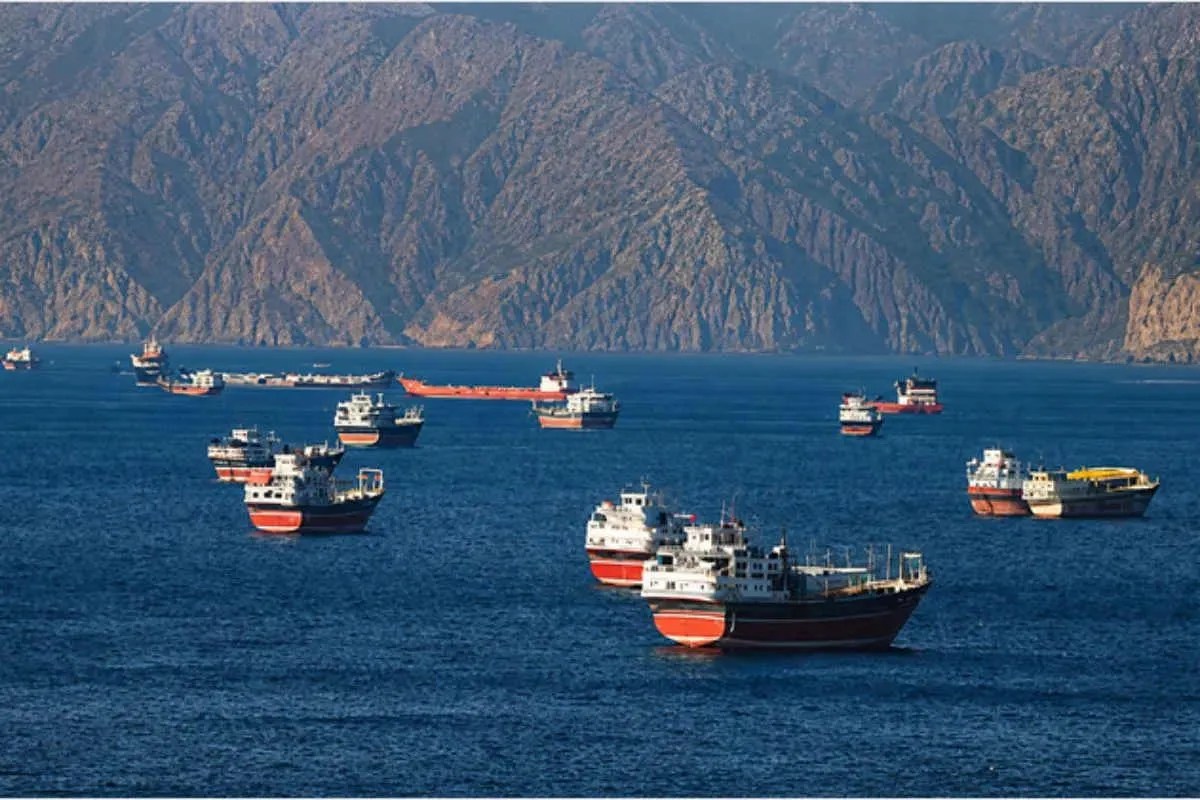
Global energy security just took a weird turn. Oman dropped a heavy proposal on Iran’s desk to fix the mess in the Strait of Hormuz, and it changes everything we thought about how global shipping lanes work. If you've been tracking the recent fallout from the conflict involving the US, Israel, and Iran, you know this narrow strip of water became an absolute chokehold. Iran was looking at a permanent toll system, floating numbers as high as $2 million per voyage just to let oil tankers pass through.
Oman's new pitch completely flips that script. Instead of hit-or-miss rules and predatory transit fees, Muscat wants to split the strait into two completely separate, controlled shipping corridors. The best part? No tolls. Zero. It sounds like a dream for global oil markets, but the underlying geopolitics are incredibly messy.
The Two Route Blueprint
Let’s look at how this plan actually functions on the water. Oman isn't suggesting a shared management system where everyone sits in the same control room. They want clear boundaries.
The proposed framework creates a Northern Corridor and a Southern Corridor. The Northern Corridor hugs the Iranian coast and falls right into Iran’s territorial waters. Under the current talks, if a vessel wants to use this northern track, it has to get explicit, prior approval from Tehran. It gives Iran the security oversight they've been screaming for.
Then you have the Southern Corridor. This route loops through Omani territorial waters. For shipping companies, this is the golden ticket. It basically restores the old rules of engagement—vessels can navigate freely without jumping through political hoops, mirroring how the strait operated before the recent military escalations.
The big win that Oman is pushing to finalize is the complete removal of transit fees from both paths. While Iran's parliamentary committees previously voted to slap major charges on commercial shipping—especially targeting US and Israeli vessels—Oman is fighting to keep the international waters legally free.
Why Nobody Can Agree on Maritime Tolls
You can't blame Iran for trying to monetize the choke point, even if it violates traditional maritime law. When the military conflict shut down regular transit, Iran started collecting ad hoc fees from desperate tankers. The semi-official Tasnim News Agency even started running math equations on how much billions they could make by charging between $400,000 and $2 million per ship, comparing it directly to the revenue models of the Suez and Panama canals.
But here is what everyone gets wrong about comparing Hormuz to the Suez Canal. The Suez and Panama canals are artificial, sovereign infrastructure. The authorities who dug those ditches have every legal right to collect a paycheck from anyone passing through.
The Strait of Hormuz is a natural international waterway. Under the United Nations Convention on the Law of the Sea, coastal states can't just levy a tax on ships exercising their right of transit passage. They can only charge for direct services rendered, like pilotage, salvage assistance, or lighthouse operations. Turkey does this effectively in the Bosphorus and Dardanelles straits under the Montreux Convention. They don’t charge you to float; they charge you for the tugboat helping you not crash into a bridge. Oman wants to bring that exact sanity back to the Persian Gulf.
The High Stakes for Global Supply Chains
If this negotiation fails, you’re going to feel it at the gas pump faster than you think. Nearly one-fifth of the world's liquefied natural gas and crude oil moves through this exact bottleneck. We are talking about energy supply lines from Saudi Arabia, the UAE, Kuwait, Iraq, and Qatar.
Oman already set up a temporary maritime corridor in late June to get traffic moving again after the worst of the regional fighting died down. But a temporary fix doesn't satisfy Wall Street or global oil buyers. Shipping companies need predictable rules. Right now, insurance premiums for running vessels through the Middle East are astronomical because nobody knows if Iran will pull a trigger or demand a multi-million dollar wire transfer on a whim.
Tehran has privately admitted that some recent instances of firing on commercial ships were flat-out mistakes, which is why they are back at the negotiating table with Oman. They want a buffer zone, and they want security assurances.
What Happens Next
The deal isn't signed yet. The proposal is currently sitting with maritime and security officials in Tehran for deep review. While a joint working group between Muscat and Tehran is hammering out the fine print regarding navigational safety and local service costs, the big test will be whether Iran actually waives the permanent toll system.
If you are operating anywhere near the logistics, energy, or global trading sectors, keep your eyes on the Southern Corridor coordinates. Until the official signatures hit the paper, the safest play is ensuring your logistics chains have alternative routing mapped out through the Red Sea or overland pipelines across Saudi Arabia, because a fragile peace in Hormuz can evaporate in an afternoon.