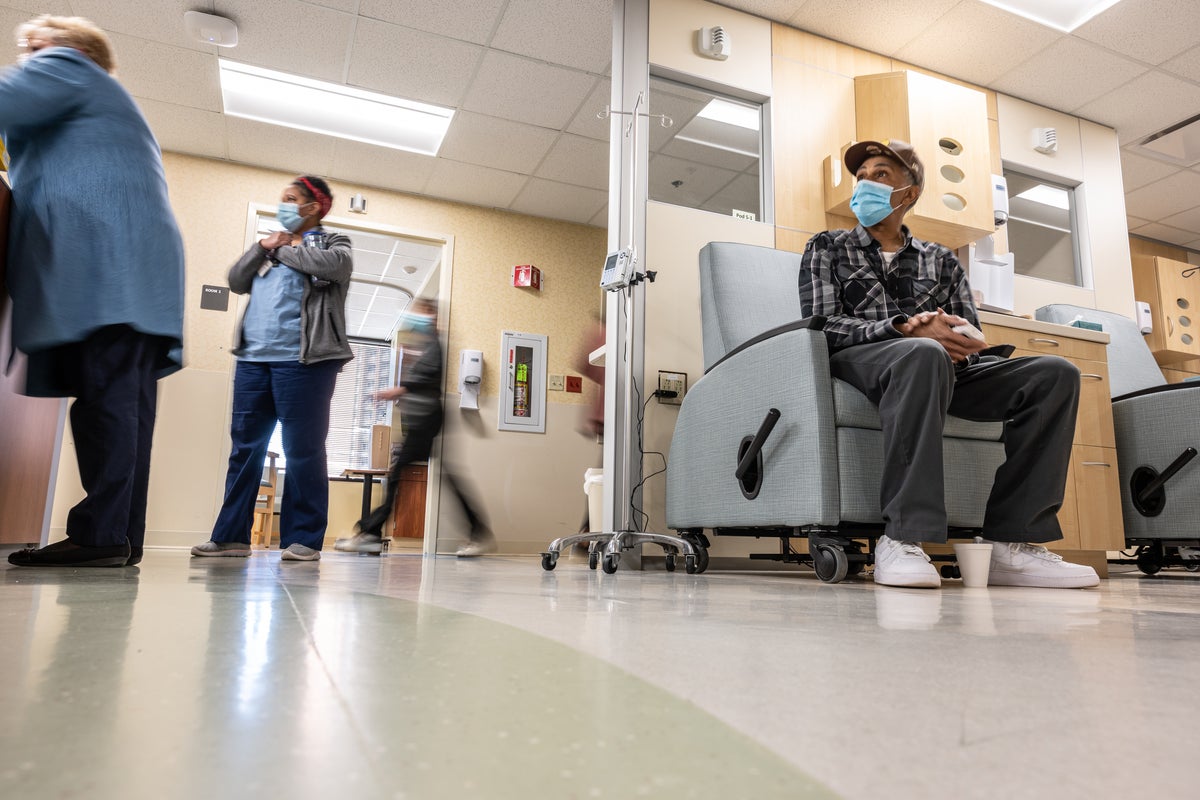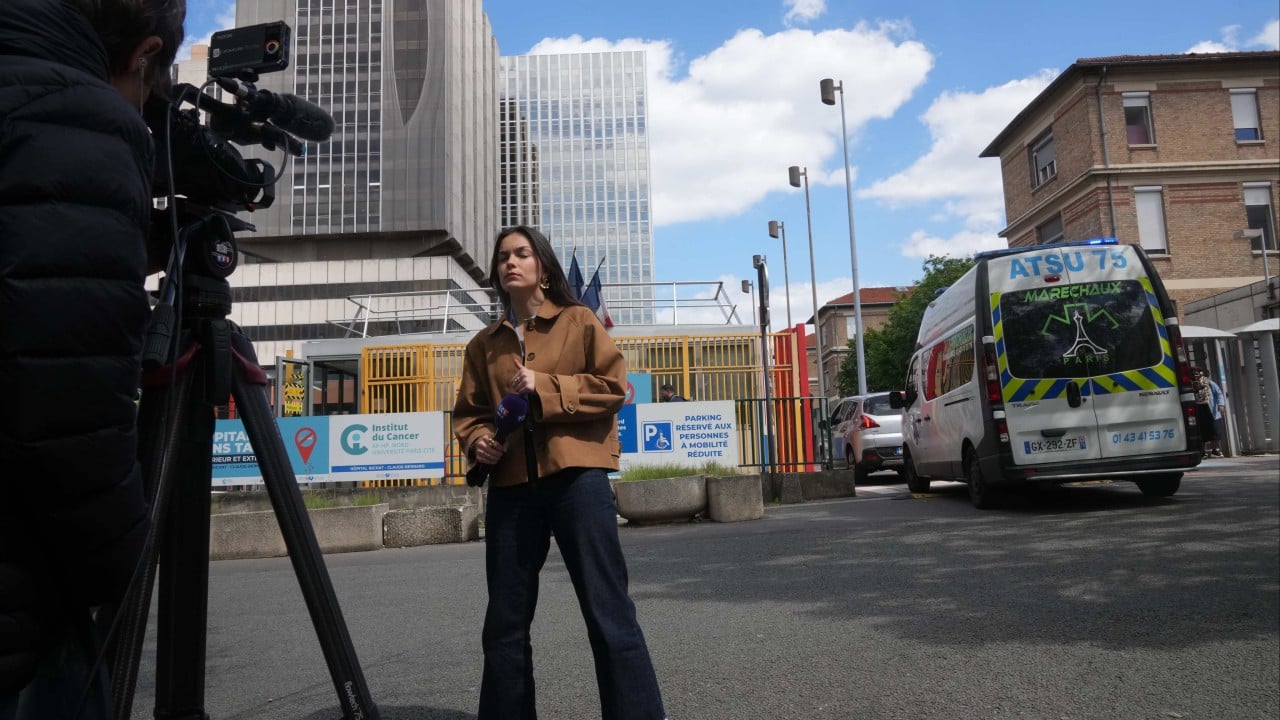
Health officials in France and the Netherlands just breathed a massive sigh of relief. If you've been following the news about potential hantavirus clusters in Western Europe, you can finally stop holding your breath. Every single person who came into contact with the recent cases has tested negative. This isn't just a bit of good news; it's a testament to how fast-acting public health surveillance keeps a localized infection from turning into a regional panic.
Hantaviruses aren't something to mess with. They’re a family of viruses spread mainly by rodents. While the headlines often make it sound like the next pandemic is lurking in every backyard shed, the reality is more nuanced. The recent investigation in France and the Netherlands focused on whether the virus was moving between people, which would have changed the risk profile entirely. For a more detailed analysis into this area, we suggest: this related article.
The negative results mean the transmission stayed exactly where experts expected—limited to the original source. We aren't looking at a human-to-human outbreak.
Why the Negative Results Matter So Much
When you hear "hantavirus," your mind probably jumps to the scary stuff like Hantavirus Pulmonary Syndrome (HPS). It's a severe respiratory disease that can be fatal. In Europe, the more common variety is Puumala virus, which causes Hemorrhagic Fever with Renal Syndrome (HFRS). It's generally less lethal than the versions found in the Americas, but it'll still land you in a hospital bed with failing kidneys if you're unlucky. For broader information on this issue, extensive reporting is available at Medical News Today.
The big fear for the French and Dutch health agencies was transmission. Most hantaviruses don't jump from person to person. You get it from breathing in dust contaminated with rodent urine or droppings. There's one specific strain in South America, the Andes virus, that can spread between humans. That's the nightmare scenario.
By clearing all contact cases, the authorities confirmed that these European cases didn't involve a mutating strain or an unusual transmission path. The system worked. They identified the primary patients, tracked down every person they’d spent time with, and ran the labs. The results are definitive. No one else is sick.
Understanding the Puumala Strain in Europe
Western Europe deals with the Puumala strain regularly. It’s carried by bank voles. These tiny rodents live in forests and hedges, and their population numbers fluctuate based on the "mast year" cycle of trees like beech and oak. When there's a lot of food, there are a lot of voles. When there are a lot of voles, hantavirus cases tick upward.
The French and Dutch cases likely stemmed from simple environmental exposure. Maybe a weekend spent cleaning out a dusty crawlspace or working in a garden where voles had been nesting. It doesn't take much. You sweep up some old leaves, the dust kicks up, you breathe it in, and two weeks later you've got a fever that feels like the flu but hits much harder.
Symptoms usually start with a sudden headache and back pain. Then the kidneys start to struggle. Most people recover with supportive care, but the recovery is long and exhausting. The fact that the recent contact cases were negative tells us that the "viral load" or the specific nature of this year's strain isn't behaving any differently than usual.
How the Investigation Was Handled
Public health teams in these two countries didn't just wait for people to show up at the ER. They went hunting. Contact tracing for a non-respiratory virus is meticulous work. It involves interviewing the patients to find out who was in the same room when the exposure happened and monitoring those people for the duration of the incubation period, which can last up to several weeks.
Testing for hantavirus isn't as simple as a rapid strep test. It requires looking for specific antibodies (IgM and IgG) or using PCR to find the virus's genetic material in the blood. The labs in Paris and at the Dutch National Institute for Public Health and the Environment (RIVM) are among the best in the world. When they say the results are negative, you can take that to the bank.
Honestly, the speed of this response is the real story. In years past, a few cases of hantavirus might have gone unnoticed until a cluster formed. Now, the coordination between EU member states means that as soon as France sees a spike, the Netherlands is on high alert. They share data in real-time. That's why the panic didn't spread even if the virus couldn't.
Common Misconceptions About Rodent Viruses
People get weird about mice and rats. There's a lot of bad info out there. Some think every mouse in their house is a walking biohazard. That's not true. In Europe, your standard house mouse isn't the primary carrier of Puumala. It's specifically the bank vole. If you live in an urban apartment, your risk is basically zero.
Another mistake people make is thinking they're safe because they didn't see a rodent. You don't need to see the animal. You just need to be where it was. The virus can survive in the environment for days under the right conditions—usually cool, moist spots away from direct sunlight. UV rays kill it pretty fast. This is why most infections happen in spring and autumn during "cleanup" seasons.
If you're worried about exposure, don't just grab a broom and start sweeping. That's the worst thing you can do. You’ll aerosolize the particles. You want to wet everything down first. Use a bleach solution. It kills the virus on contact and keeps the dust on the ground where it belongs.
Practical Steps for Staying Safe
Since we know the virus isn't spreading between people, your focus should be on your immediate environment. If you're in a rural or semi-rural area in France, the Netherlands, or Germany, you need to be smart about how you handle outbuildings and woodpiles.
- Air out the space. Open doors and windows for at least 30 minutes before you start working in a shed or cabin that’s been closed up.
- Wet-cleaning only. Use a spray bottle with a 10% bleach solution to soak any areas with visible droppings. Never vacuum or sweep dry droppings.
- Wear a mask. A standard N95 is your best friend here. It’s cheap insurance against breathing in something that could shut your kidneys down.
- Rodent-proof your home. Use steel wool to plug holes. If a pencil can fit through a gap, a vole can too.
- Wash your hands. It sounds basic because it is. If you've been gardening or handling firewood, scrub up before you touch your face or eat.
The clear results from the French and Dutch health authorities are the best-case scenario. It proves that while hantavirus remains a persistent part of the European biological landscape, it isn't currently an escalating threat to the general public. We can go back to being cautious without being terrified.
The investigation is officially winding down. Those who were under surveillance can return to their normal lives, and the medical community has another set of data points confirming the Puumala strain is staying within its known boundaries. Keep your sheds clean, keep your masks on during spring cleaning, and don't let the headlines get under your skin. The system did its job, and for once, the news is that there is no news.