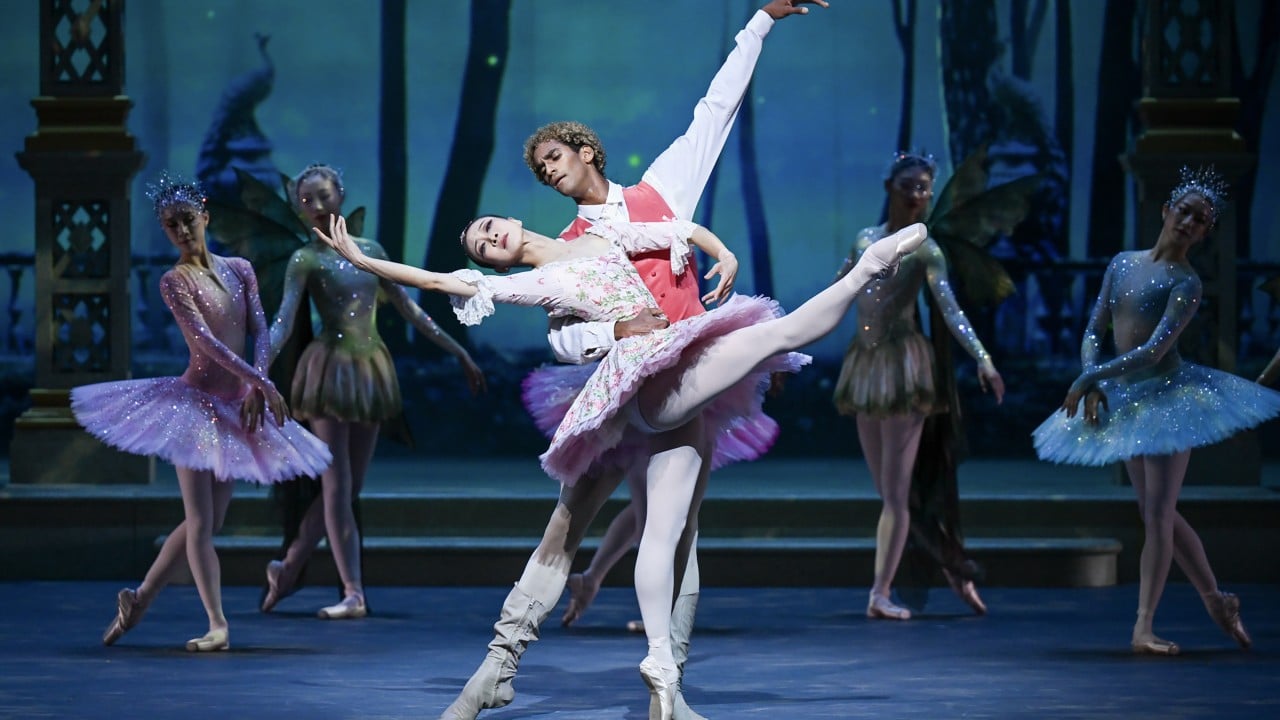
Dust motes hang suspended in the shaft of afternoon light cutting through a borrowed studio. The floor beneath is old. It is too hard, bolted directly over concrete without the forgiving air pocket of a sprung subfloor. Every time a dancer lands a grand allegro, a microscopic shock wave travels up through the tibia, settling deep into the bone. They ignore it. They have to.
Meet Mei. She has spent twelve years with the Hong Kong Ballet, twelve years of packing her life into duffel bags, carrying spare pointe shoes like fragile porcelain, and moving from one municipal multi-purpose hall to another. To the audience looking down from the red velvet tiers, the company is an illusion of weightlessness. Silk skirts billow. Bodies suspend in mid-air as if gravity forgot them. But behind the main curtain, the reality is nomadic. They are tenants in spaces designed for pop concerts, political conferences, and traveling Broadway tours. Recently making headlines in related news: Stop Chasing The Phantom CIA Song Because The Internet Manufactured The Mystery.
They adapt. They squeeze warm-ups into narrow backstage corridors. They stretch against concrete pillars that were never meant to support anything softer than steel. In a city defined by vertical ambition—where every square inch of earth is fiercely contested by skyscrapers, commerce, and housing—art often finds itself squeezed into the margins.
For decades, world-class artistry in Hong Kong has operated out of a suitcase. The city pulses with neon, finance, and relentless motion, yet its premier ballet company has never possessed a permanent home built exclusively for the geometry of dance. Dance requires something hyper-specific. It requires architecture that breathes. It needs acoustics that catch the delicate scrape of a shoe before the orchestra swells. It requires height, air, and structural engineering built to absorb human kinetic energy rather than bounce it brutally back into tired joints. Further information into this topic are detailed by Variety.
That is about to change.
In 2027, the Hong Kong Ballet will step into a new era, moving into the city’s first dedicated dance venue.
Pause for a moment and consider what a dedicated venue actually signifies to an artist. It is not just concrete, steel, and glass. It is a promise. It is a space where the walls do not smell of a political rally held the night before. It is a sanctuary where the lighting grid is permanently rigged for the precise angles of a contemporary pas de deux, rather than hastily adjusted between a corporate convention and a rock concert.
Cities build grand museums for paintings that cannot speak. They build towering concert halls for violins crafted centuries ago. Yet dance—the most fleeting, mortal, and physically punishing of all fine arts—has historically been forced to make do with whatever rooms were left over. It is an art form written entirely in disappearing ink. A dancer performs a masterpiece, and the moment it ends, it vanishes. Nothing remains except the ache in the muscles and the collective intake of breath from a crowd that witnessed the impossible. To give that fleeting art form a permanent address is a profound act of preservation.
Hong Kong is a city of transit. People arrive, make their fortunes, and move on. Ships dock in Victoria Harbour and leave the next morning. Neon signs flicker and burn out. In this whirlwind of perpetual motion, a ballet company provides a different kind of anchor. It represents continuity. It proves that a city can be more than just a marketplace; it can be a cradle for beauty that serves no economic purpose other than to elevate the human spirit.
Yet, keeping that spirit alive has been an administrative and physical labyrinth. When rehearsal spaces are scattered across different districts, the company's internal rhythm fractures. Dancers spend precious hours traveling between auxiliary studios and performance halls. Costumes are trucked across town. Administrative teams work miles away from the artists they support. The organization is a body moving with its limbs detached from its heart.
The move in 2027 repairs that anatomy.
Imagine the first morning in the new building. Mei walks through the stage door. There is no lingering scent of stale coffee from a corporate seminar or the muffled thumping of a completely different event next door. The air smells of fresh pine, brand-new marley flooring, and possibility. She steps onto the studio floor and performs a simple tendu. The floor gives slightly—just a fraction of an inch, engineered precisely to protect human joints from destruction. Her knees do not scream.
This relocation is more than a logistical upgrade for a prestigious company; it is a structural shift in how Hong Kong values physical culture. For years, the company has toured the world—from New York to London to Shanghai—bringing international acclaim back to a city that often struggles to find physical room for its artists. When you watch principal dancers execute staggering choreography, you are witnessing the product of thousands of hours of unseen labor. By anchoring them in a permanent home, the city is telling those artists that their labor is valued not just as an export, but as a permanent local anchor.
What does this transformation actually entail behind the scenes?
It means specialized rehearsal studios mirroring main-stage dimensions down to the centimeter, ensuring that dancers never experience spatial shock when transitioning from practice to performance. It means physical therapy rooms integrated directly into the facility, acknowledging that elite dancers are high-performance athletes whose bodies require medical precision and immediate care. It means dedicated costume shops, design archives, and educational outreach hubs all under one roof, allowing the company to mentor the next generation of local talent without having to fight for classroom availability.
Movement. Silence. Repetition.
When the curtain rises on the inaugural season in 2027, the audience will see the polished result of this institutional evolution, but the true victory will have occurred months earlier, in the quiet, climate-controlled warmth of a studio where dancers no longer have to worry about whether the floor is level enough to support a quadruple pirouette.
There is a quiet terror that comes with being a professional dancer. The career is brutally short. Most bodies begin to break down by the time dancers reach their early thirties. Every single day spent rehearsing on subpar floors is a day stolen from an already condensed timeline. When a city builds a home for its dancers, it is buying them time. It is buying them safety. It is saying to every young girl staring at a poster in a cramped apartment that her dream is worthy of physical space in the skyline.
The year 2027 is closer than it feels. The blueprints are turning into steel, wire, and wood. Soon, the heavy iron doors of the new venue will swing open. The lights will hum to life. And somewhere in the center of that vast, empty stage, a single pair of satin shoes will step forward, ready to write the next chapter on a floor that finally knows how to catch them.