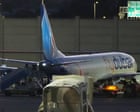
Unplanned flight diversions represent acute operational disruptions within global aviation logistics, triggered by intersecting geopolitical flashpoints, airspace restrictions, and carrier-specific risk management policies. When a carrier such as flydubai reroutes flights or carries citizens across complex regional corridors—such as an Australian passenger finding themselves aboard a diverted flight to Israel—the event exposes the fragility of modern flight planning under geopolitical volatility.
The Mechanics of Airspace Interruption
Commercial aviation routing relies on continuous risk assessments governed by aviation authorities, including the International Civil Aviation Organization (ICAO) and national regulators like the Federal Aviation Administration (FAA) or the European Union Aviation Safety Agency (EASA). When regional security indicators cross established thresholds, airspace closures occur dynamically.
The immediate trigger for a diversion typically stems from one of three variables:
- Ground-to-air threat escalations detected by real-time intelligence feeds.
- Official NOTAMs (Notice to Air Missions) mandating immediate corridor clearance.
- Discretionary operational safety calls made by dispatchers when destination airports face sudden closure or operational degradation.
In the case of carriers operating trans-regional routes connecting South Asia, the Middle East, and Europe or Australasia, alternative routing options narrow significantly during crises. A diversion to an unexpected hub introduces immediate secondary complexities, ranging from passenger visa and immigration bottlenecks to crew duty-time limitations governed by strict safety regulations.
Passenger Logistics and Diplomatic Interventions
When nationals of third-party states, such as Australians, become stranded or unexpectedly rerouted into volatile jurisdictions, the event activates consular notification frameworks.
Diplomatic missions operate under standardized crisis management protocols:
- Establishing direct contact with local airport authorities and carriers to verify passenger manifests and safety status.
- Issuing updated travel advisories via foreign ministries (e.g., DFAT in Australia) to reflect changing security realities.
- Coordinating emergency travel documents for individuals whose itineraries or passport stamps are disrupted by unprompted border crossings.
The economic and operational cost of these disruptions falls primarily on the carrier regarding fuel burn, crew rescheduling, and passenger duty of care obligations under international aviation conventions. However, the systemic friction is absorbed by travelers navigating rapid policy changes and fragmented communication channels.
Strategic Operational Outlook
Mitigating future systemic vulnerability requires airlines to decouple route profitability from high-risk corridors through predictive geopolitical risk modeling. As airspace access contracts under compounding international friction, carriers must price the probability of sudden diversions directly into their operational cost functions rather than treating them as statistical anomalies.


