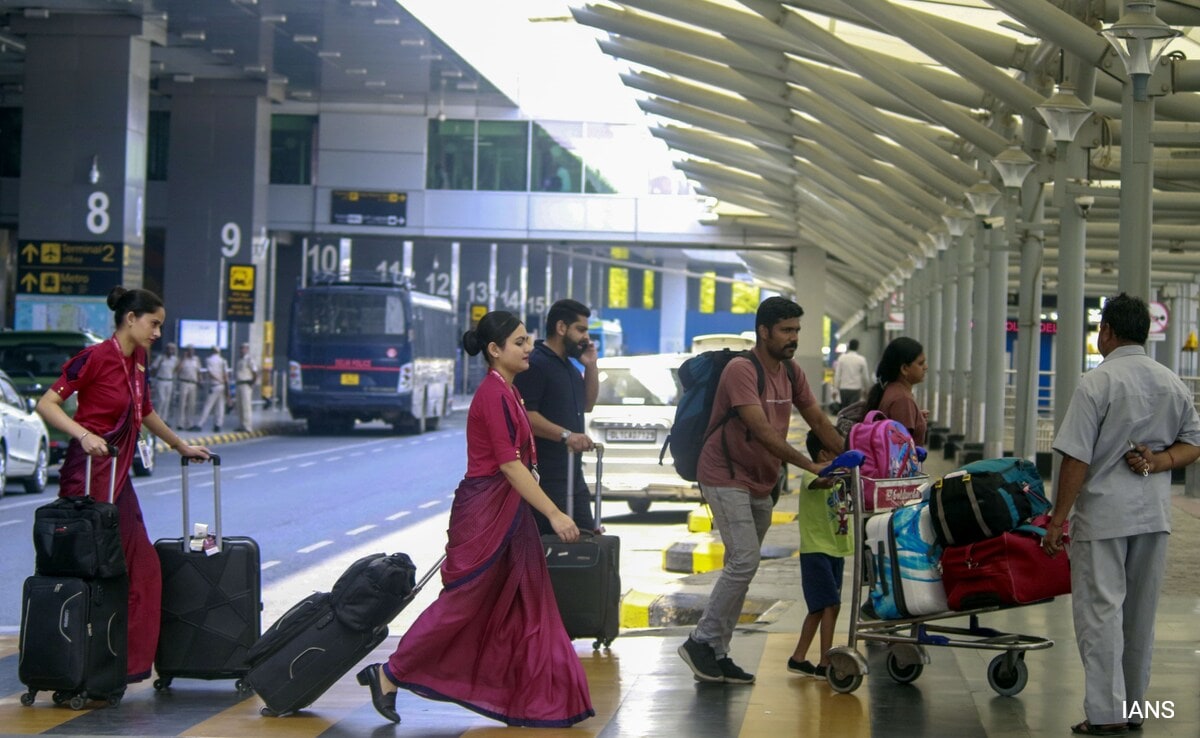
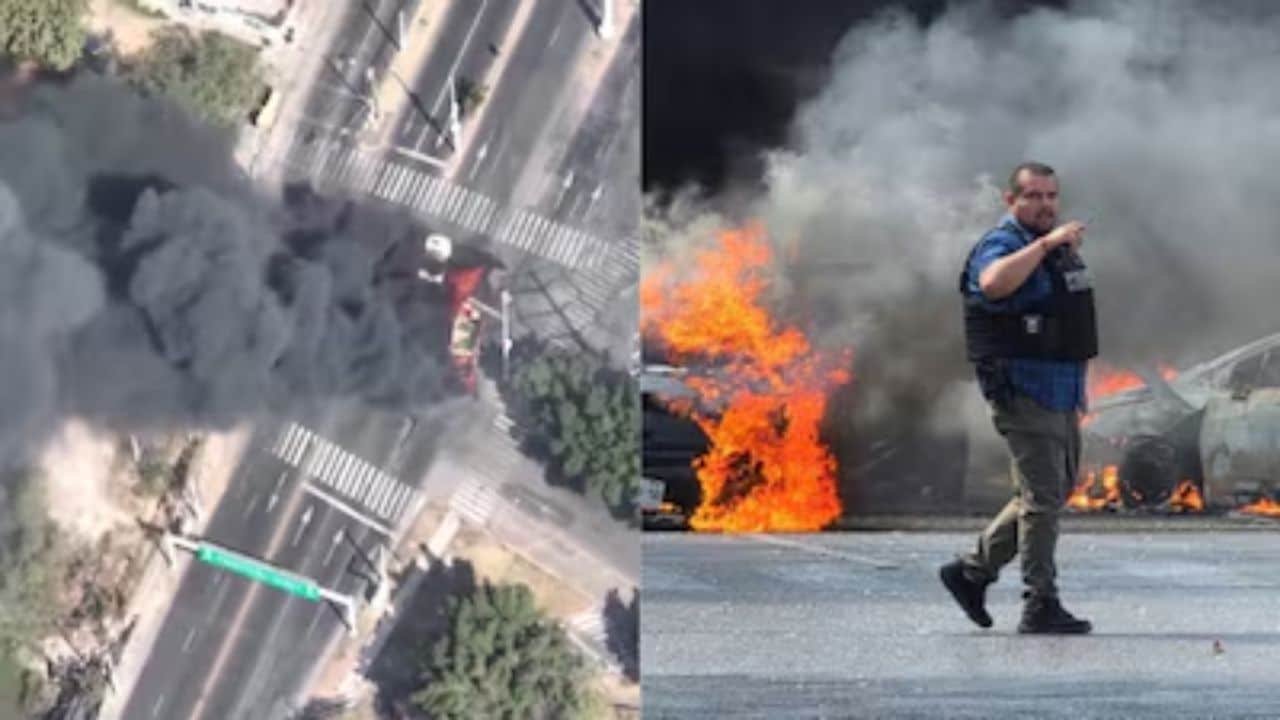
The headlines are screaming about chaos in the skies. You’ve seen the alerts: flights to Tel Aviv, Amman, and Beirut scrapped. Carriers are pulling the plug because of "instability" following strikes between the U.S., Israel, and Iran. The mainstream media paints a picture of helpless airlines cowering before the threat of a missile.
They are lying to you. Discover more on a related issue: this related article.
Airlines aren't just reacting to risk; they are weaponizing it. When a carrier cancels a flight due to "regional tension," they aren't just protecting passengers. They are optimizing their balance sheets. They are purging low-yield routes under the guise of heroism.
The Myth of Sudden Danger
The "lazy consensus" suggests that airline dispatchers sit in dark rooms, see a headline on a news ticker, and panic. This is a fairy tale. Intelligence sharing between the FAA, EASA, and private security firms like Osprey Flight Solutions happens in real-time. The risks of flying through the Middle East didn't "spike" yesterday. They have been a constant, calculated variable for forty years. Further analysis by National Geographic Travel highlights related perspectives on the subject.
If an airline cancels a flight today, it’s rarely because the sky is falling. It’s because the load factor on that specific Tuesday was 62%. By citing "security concerns," the airline triggers force majeure clauses. They dodge the massive compensation payouts required by regulations like EU261. If they canceled because they didn't sell enough seats, they'd owe you €600. If they cancel because of a "strike," they owe you a shrug and a voucher.
I’ve spent years watching the internal metrics of legacy carriers. I’ve seen them keep a route open during active shelling because the premium cabin was sold out, only to shutter the same route the moment bookings dipped—always citing "safety" as the convenient scapegoat.
Risk Is the Commodity
Let’s dismantle the premise that flight paths are static. They aren't. They are fluid, algorithmic paths.
When Iran and Israel exchange fire, the airspace doesn't become a "no-go zone." It becomes a re-routing puzzle. We have the technology to fly around almost any kinetic conflict. Lufthansa and Air France-KLM have the most sophisticated flight planning software on the planet. They can skirt an entire country’s border with a 5% increase in fuel burn.
So why cancel?
- Fuel Hedging Failures: If fuel prices are volatile, a longer route becomes unprofitable.
- Crew Duty Cycles: If a detour adds two hours to a flight, the crew "times out." Instead of paying for a relief crew in a high-cost hub, the airline simply nukes the flight.
- Insurance Premiums: The moment a missile is fired, Lloyd’s of London adjusters start breathing down the necks of CFOs. The cancellation isn't about your life; it’s about the hull insurance premium on a $250 million Boeing 787.
The Geography of Hypocrisy
Notice which airlines cancel and which don't. While Western majors like United or Delta pull out the moment a drone is spotted, regional players like El Al, FlyDubai, or Qatar Airways often keep the engines running.
Is a Dubai-based pilot less concerned about a missile than a pilot from Chicago? Of course not. The difference is the strategic mandate. Regional carriers view connectivity as a sovereign necessity. Western carriers view it as a line item.
When a U.S. carrier cancels a flight to the Middle East, they aren't making a moral stand or even a safety stand. They are performing Security Theater. It’s a branding exercise designed to tell domestic passengers, "See? We are cautious. We are responsible." Meanwhile, they’ll fly an aging 737 through a massive thunderstorm in the Midwest without blinking, because the liability math favors the risk.
Why You’re Asking the Wrong Questions
People ask: "Is it safe to fly to the Middle East right now?"
The brutally honest answer: It’s safer than the drive to the airport. Even in active conflict zones, civilian aircraft are rarely targeted because the political cost of a shoot-down—think MH17 or PS752—is a death sentence for the perpetrator’s international standing.
The question you should be asking is: "Is my airline using this conflict to cook their books?"
If your flight is canceled, don't look at the news. Look at the seat map. Was the plane half-empty? If so, you’ve been played. You aren't a victim of war; you’re a victim of yield management.
Stop Falling for the Hero Narrative
Airlines love to play the role of the "concerned protector." It’s a brilliant PR shield. It deflects anger from the customer service desk to the geopolitical stage.
"We're sorry, we can't get you to your sister’s wedding, but we're doing it for your safety."
It’s the ultimate conversation-stopper. You can’t argue with safety. You can’t sue over safety. It is the perfect corporate "Get Out of Jail Free" card.
The reality is that modern aviation is built on the cold, hard logic of the Value of a Statistical Life (VSL). Every route, every maintenance check, and every cancellation is a calculation of whether the potential payout for a catastrophe exceeds the cost of prevention.
In the Middle East right now, the cost of "prevention" (cancellation) is lower than the cost of "operation" (higher insurance, longer routes, lower demand). That is the sum total of the decision. There is no soul in the cockpit making a gut call based on bravery. There is only a spreadsheet in a glass tower in Arlington or London.
The Actionable Truth
If you are caught in these "geopolitical" cancellations, stop being a passive observer.
- Demand the logs: Ask for the specific FAA or EASA NOTAM (Notice to Air Missions) that forbade the flight. Often, there isn't one. The airline made a "discretionary" decision.
- Track the tail: Use flight tracking software to see if the airline moved that same aircraft to a different, more profitable route. If they canceled your "dangerous" flight to Amman but used the plane to fly a last-minute charter to Vegas, you have evidence of a commercial cancellation, not a safety one.
- Book the "Bold" Carriers: If you actually need to get somewhere, book the carriers whose business models depend on that route staying open. They have better local intelligence and more skin in the game than a legacy carrier looking for any reason to trim their international schedule.
The next time you see a "Flight Canceled" notification tied to a headline about a strike, don't feel protected. Feel manipulated.
Airlines aren't afraid of the missiles. They're afraid of the margins.