In the cramped backrooms of a textile mill in Gazipur, the silence is more expensive than the noise. When the power cuts, the rhythmic thrum of the looms dies, and with it, the heartbeat of a family’s livelihood. A worker named Aminul stands in that sudden, heavy quiet, his hands still hovering over the threads. He doesn't think about geopolitics. He doesn't think about regional hegemony or bilateral trade agreements. He thinks about the kerosene lamp at home and the rising price of the fuel that keeps it lit. For Aminul, and millions like him across Bangladesh, the light in the room is a direct reflection of the stability in the halls of power.
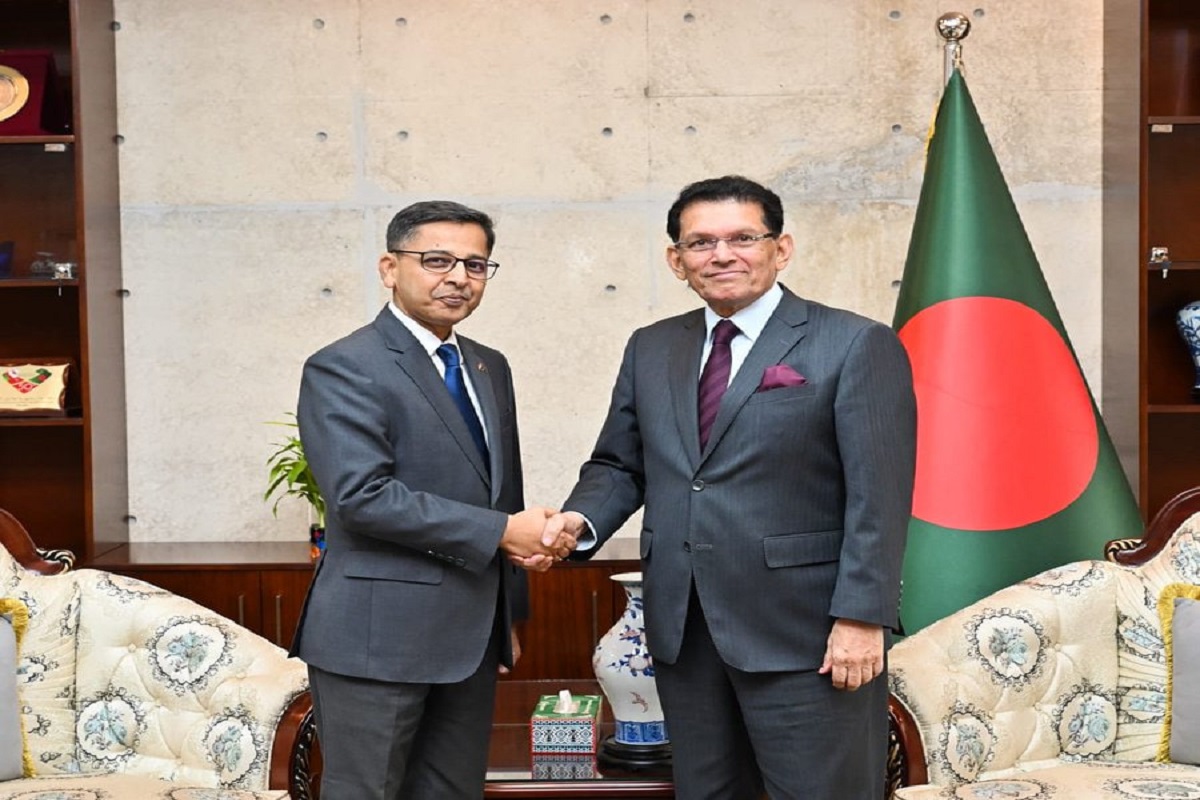
The air in Dhaka changed recently. A new administration under Tarique Rahman has taken the helm, and the weight of a nation’s expectations is staggering. But a country cannot run on hope alone; it runs on oil, gas, and electricity. It runs on the cooperation of neighbors who share more than just a border. This is why the upcoming journey of the first Bangladeshi minister to India under this new guard is more than a diplomatic formality. It is a mission to keep the lights on.
The stakes are invisible until they aren't. We often view international relations as a game of chess played by men in suits, but it is actually a plumbing problem on a continental scale. Bangladesh needs energy to fuel its ascent. India sits on the tap. When the Bangladeshi delegation crosses the border, they aren't just carrying briefcases; they are carrying the urgent needs of every factory floor and kitchen stove from Sylhet to Chittagong.
The Pipeline of Trust
Trust is a fragile commodity, especially when it has been weathered by years of political shifting. For a long time, the relationship between Delhi and Dhaka was seen through a very specific lens, one that felt predictable. Now, the lens has been swapped. There is a new curiosity, a certain tension, and a desperate need for pragmatism. The minister’s visit represents the first physical bridge built since the transition of power.
Consider the mechanics of a power grid. It requires a perfect balance of frequency. If the load is too heavy or the supply too thin, the whole system collapses. Diplomacy works the same way. The new government in Dhaka knows that any disruption in fuel supply isn't just an economic hiccup; it's a political emergency. If the trucks stop moving and the turbines stop spinning, the honeymoon period for any new leader evaporates in the heat of a summer blackout.
India’s role here is complex. It isn't just a supplier; it is a partner in a shared geography. The diesel flowing through the Friendship Pipeline is more than a hydrocarbon—it is a liquid form of stability. When the two sides sit down in Delhi, the conversation will likely start with numbers, liters, and price points. But beneath the spreadsheets lies a deeper question: can we rely on each other when the world outside is so volatile?
The Human Cost of High Octane
There is a specific kind of anxiety that comes with watching a fuel gauge drop when you know the supply chain is thousands of miles away and tied up in red tape. In the border towns, where the line between two nations is sometimes just a row of trees or a shallow river, the interdependence is obvious. The local truck driver who hauls goods across the Petrapole-Benapole border knows that if diesel prices spike in India, his children’s school fees in Bangladesh become a struggle.
We often talk about "energy security" as if it’s a vault in a bank. It’s not. It’s the ability of a mother to cook a meal without wondering if the gas will last through the week. The minister’s agenda—focusing heavily on fuel supply—is a direct response to this domestic pressure. The Rahman administration understands that their legitimacy is tied to the lived experience of the average citizen. You cannot build a "New Bangladesh" in the dark.
Breaking the Dryness of Diplomacy
Why does this specific visit matter more than the dozens that came before it? Because it marks the end of the "wait and see" period. For weeks after the leadership change, analysts in both capitals were squinting, trying to read the tea leaves. This visit is the first clear sentence in a new chapter. It signals that despite the rhetoric of campaigns and the noise of social media, the fundamental realities of geography remain unchanged.
Bangladesh is a land of water, but it thrives on fire—the fire of its industry and the literal combustion that powers its growth. India is the most logical source for that spark. The minister is going to Delhi to ensure that the spark doesn't flicker. They will talk about the High-Speed Diesel Pipeline. They will talk about electricity transmission lines. They will talk about the long-term contracts that prevent sudden shocks to the system.
But they will also be talking about the ghosts of the past. Every diplomatic meeting is haunted by what went wrong before. There are old grievances and fresh suspicions. The task of this first minister is to walk into a room full of those ghosts and offer a handshake that feels firm, not forced.
The Weight of the Ledger
In the world of international trade, the ledger is never truly balanced. There are always deficits, always favors owed, and always leverage held. The minister’s challenge is to negotiate from a position of necessity without appearing weak. It’s a high-wire act. On one side is the need for immediate relief—cheaper fuel, steady supply—and on the other is the desire for long-term sovereignty.
The conversation isn't just about what India can give. It's about what a stable, prosperous Bangladesh offers India. A neighbor in turmoil is a security nightmare. A neighbor that is growing, manufacturing, and trading is an asset. This is the argument the Bangladeshi delegation must make: that every liter of fuel sent across the border is an investment in regional peace.
If you've ever stood at a border crossing, you’ve seen the sheer volume of humanity that moves through. It’s chaotic, loud, and vibrant. That energy is what's at stake. If the ministers fail to find common ground on the "dry" issues like fuel and logistics, the vibrancy at the border starts to dim. The lines get longer. The tempers get shorter.
Beyond the Barrel
While fuel is the headline, the subtext is the broader connectivity. Roads, rails, and waterways. The new government wants to diversify, to find new ways to move people and goods. But you can't build a highway if you can't fuel the bulldozers. Everything starts with energy. It is the prerequisite for every other dream of progress.
The minister’s arrival in India will be watched by more than just journalists. It will be watched by the markets. It will be watched by the garment factory owners who have orders to fill for New York and London. It will be watched by the students who want to know if their future includes a country that can provide the basic infrastructure of a modern life.
There is a tendency to simplify these events into "pro-India" or "anti-India" narratives. That is a lazy man's game. The reality is far more nuanced. It is "pro-survival." It is "pro-growth." The Rahman administration isn't making a choice between ideologies; they are making a choice for their people. They are choosing to engage with the world as it is, not as the activists on either side wish it to be.
The minister’s plane will touch down, the cameras will flash, and the joint statements will be issued in that careful, sanitized language that diplomats love. They will use words like "mutually beneficial" and "historic ties." But behind the jargon, the true measure of success will be felt months from now. It will be felt when the lights stay on during a monsoon storm. It will be felt when the price at the pump doesn't leap overnight. It will be felt when Aminul, in his mill in Gazipur, doesn't have to stop his loom because the power failed.
The road to Delhi is long, but for a nation in transition, it is the only road that leads toward the light. The minister isn't just carrying a list of demands; he is carrying the collective breath of a nation waiting to see if its new era will be one of brightness or of shadows.
A single signature on a fuel agreement might seem like a small thing in the grand sweep of history. But to the man standing in a dark factory, waiting for the hum of the machine to return, it is everything.