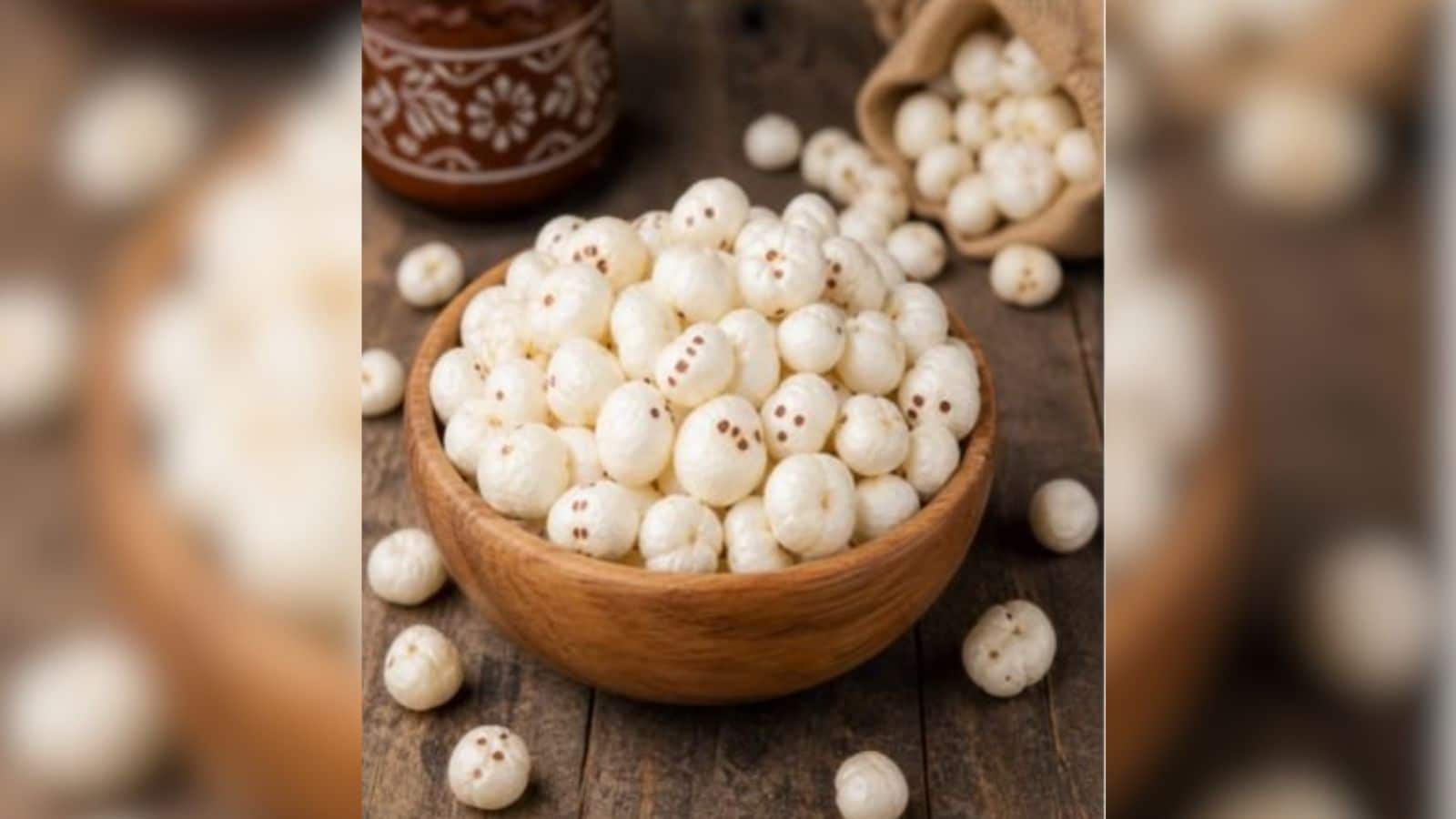
The world is tired of potato chips. Consumers want snacks that won't wreck their health goals, which explains why a humble aquatic seed from eastern India is suddenly showing up in grocery aisles from New York to London.
India supplies roughly ninety percent of the world's makhana, or fox nuts, and the state of Bihar accounts for the lion's share of that production. For generations, this trade was local and low-margin. Farmers harvested the seeds from stagnant ponds, popped them over open fires, and sold them in plain gunny bags.
That model is dead. Today, flavored makhana is rewriting the agricultural economy of Bihar and capturing serious market share in the global wellness sector.
The Shift From Commodity to Branded Snacking
If you sell raw, unflavored fox nuts, you are at the mercy of bulk commodity pricing. Real money lives in value addition.
When processors take jumbo-sized seeds—graded meticulously through the traditional Suta measurement system—and tumble them in peri-peri, Himalayan pink salt, cheese, or truffle oil, the product transforms. It stops being a fasting food eaten during religious holidays. It becomes a premium, plant-based alternative to cheese puffs and pretzels.
The numbers tell the story. India's makhana market is scaling rapidly toward multi-billion-dollar valuations, driven by a compound annual growth rate hovering near nine percent. International buyers in the United States, Canada, and the United Arab Emirates are absorbing thousands of metric tons annually. They aren't buying raw seeds for home roasting. They are buying ready-to-eat, nitrogen-flushed foil pouches carrying bold, modern flavors.
Surviving the Export Supply Chain
Exporting popped lotus seeds isn't for the faint of heart. Makhana is notoriously hygroscopic, meaning it absorbs moisture from the air with aggressive efficiency. Leave a batch exposed in a humid shipping container for three weeks, and your crispy snack turns into packing foam.
Successful exporters from Bihar and surrounding hubs have had to upgrade their technical game entirely. Modern facilities now rely on laser sorting for uniform sizing, automated continuous roasters, and heavy-duty nitrogen-flushed vacuum packaging.
Government backing has also accelerated under structured national boards and development schemes, pumping capital into processing infrastructure and streamlining export documentation. Without these upgrades, hitting the stringent food safety standards demanded by North American and European retail chains would be impossible.
What Buyers and Brands Get Wrong
Many international brands think they can just source cheap raw makhana, throw some generic chili powder on it, and watch it fly off shelves. That strategy fails.
Western consumers expect clean labels, consistent crunch, and precise flavor distribution. If the seasoning clumps at the bottom of the bag while the top tastes like cardboard, customer retention drops to zero. Sourcing directly from regional clusters in districts like Darbhanga and Madhubani bypasses layers of middlemen, ensuring better quality control over the raw crop before seasoning even begins.
Moving Forward in the Global Market
If you are looking to enter this space—whether as a direct-to-consumer brand owner or a bulk distributor—focus your energy on the upper tiers of quality. Standard small-grade seeds belong in mass milling or budget domestic channels. For export success, stick to 6-Suta and 7-Suta bold grades that withstand heavy tumbling and hold up against competing snack categories. Secure certified processing partners who understand shelf-life chemistry, and lean hard into the clean-label, gluten-free narrative that modern shoppers demand.