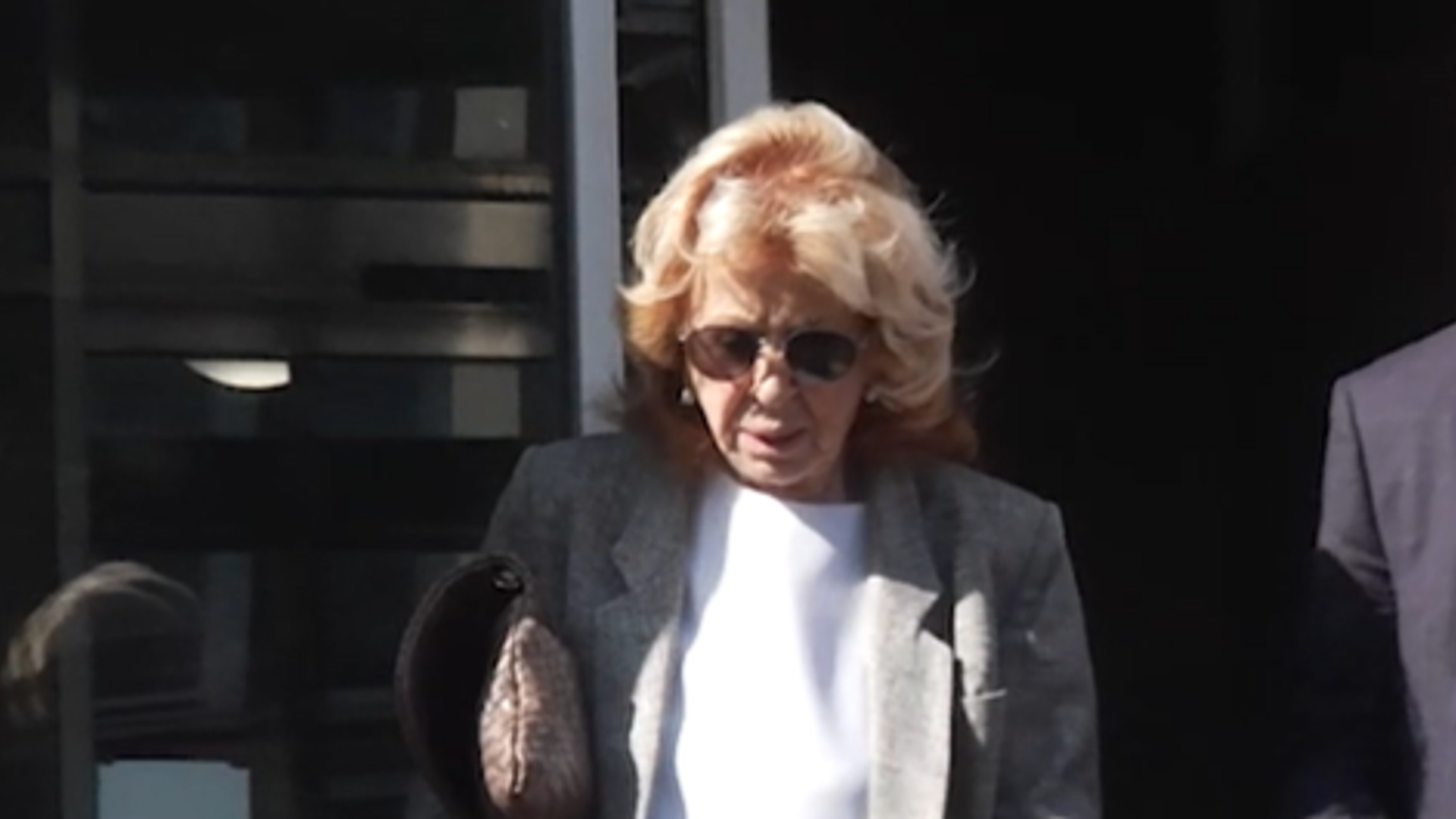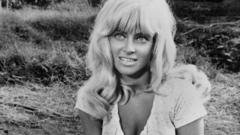
Joy Harmon, the actress whose wordless performance in a single scene of the 1967 classic Cool Hand Luke became a permanent fixture of American cinema, died April 14, 2026, at the age of 85. She passed away from complications of pneumonia in Los Angeles, surrounded by family members who noted she had fully intended to return to her second act: a thriving wholesale bakery in Burbank. While many will remember her as the blonde "Lucille" washing a car to the agony and ecstasy of a chain gang, her life provides a rare blueprint for surviving the meat grinder of the 1960s studio system with one’s sanity and agency intact.
The industry usually eats its starlets. Harmon, however, walked away on her own terms, trading the flickering lights of the silver screen for the heat of industrial ovens. Discover more on a similar issue: this related article.
The Groucho Discovery and the 41-Inch Problem
Harmon didn't start as a prop for Paul Newman’s internal torment. Born in New York in 1940, she was a pageant winner and a Broadway performer long before Hollywood tried to box her into the "dumb blonde" archetype. Her break came via Groucho Marx, who spotted her as a contestant on You Bet Your Life. Marx, never one to miss a sharp wit or a striking figure, invited her back for Tell It to Groucho.
She arrived in Hollywood at a time when the "blonde bombshell" was a commodity traded like pork bellies. Harmon possessed a 41-inch bust that the era's marketing departments treated as a personality trait. She was cast in cult oddities like Village of the Giants (1965), where she played a literal giant, a role that served as a clumsy metaphor for how the industry viewed her: a spectacle to be managed rather than a talent to be developed. More journalism by Wall Street Journal explores comparable views on this issue.
The Car Wash That Defined a Decade
The scene in Cool Hand Luke is frequently cited as one of the most erotic in film history. Yet, for Harmon, it was a technical exercise in endurance and acting. Director Stuart Rosenberg filmed her separately from the men on the chain gang. She was washing a car alone on a hot day, performing for a camera she knew would eventually be spliced with the sweating, leering faces of George Kennedy and Paul Newman.
She wasn't just a girl with a hose; she was the personification of the "unattainable" that kept the prisoners—and the audience—locked in a cycle of desire and despair. The scene took two days to film. Harmon later admitted she was largely unaware of how provocative the final edit would be until she saw it in a theater. It turned her into a pin-up icon overnight, but it also threatened to cement her in a category that offered little longevity.
Leaving the Gaze Behind
By the early 1970s, the roles being offered to women like Harmon were shifting. The innocent, campy sexuality of the early sixties was being replaced by the grittier, more explicit demands of New Hollywood. Instead of clinging to the periphery of a changing industry, Harmon made a pivot that remains an anomaly in the celebrity world. She retired from acting in 1973 to raise a family with her husband, film editor Jeff Gourson.
She didn't just fade away; she re-engineered her identity.
From Starlet to CEO
In 2003, Harmon launched Aunt Joy’s Cakes. This wasn't a vanity project or a celebrity-endorsed lifestyle brand. It was a rigorous, wholesale operation based in Burbank. She started by bringing treats to the Disney lot, where her son worked, and quickly realized that the same industry that once viewed her as a visual asset was hungry for her craftsmanship.
Her bakery became a staple for Los Angeles catering, proving a point that the tabloids often ignore: there is a profound dignity in a second act that has nothing to do with fame. She spent the final two decades of her life known more for her chocolate chip cookies than for her 1960s filmography.
The Reality of the Hollywood Exit
We often romanticize the "legend" who dies in their penthouse, clutching old headshots. Harmon’s reality was more grounded and, frankly, more impressive. She survived the predatory era of the 1960s without the public breakdowns or tragic spirals that claimed many of her contemporaries.
She understood a truth that few actors ever grasp: the camera’s gaze is a temporary loan, not a permanent gift. By walking away from the lens and toward the oven, she reclaimed her narrative. She wasn't just the girl in the suds; she was the woman who decided when the show was over.
Harmon is survived by her three children and a legacy that spans from the gritty roads of a cinematic Florida labor camp to the bustling kitchens of a California bakery. She leaves behind a reminder that in the fickle business of image-making, the most radical thing a person can do is become themselves.
The car is clean, the soap has dried, and Joy Harmon has finally clocked out.