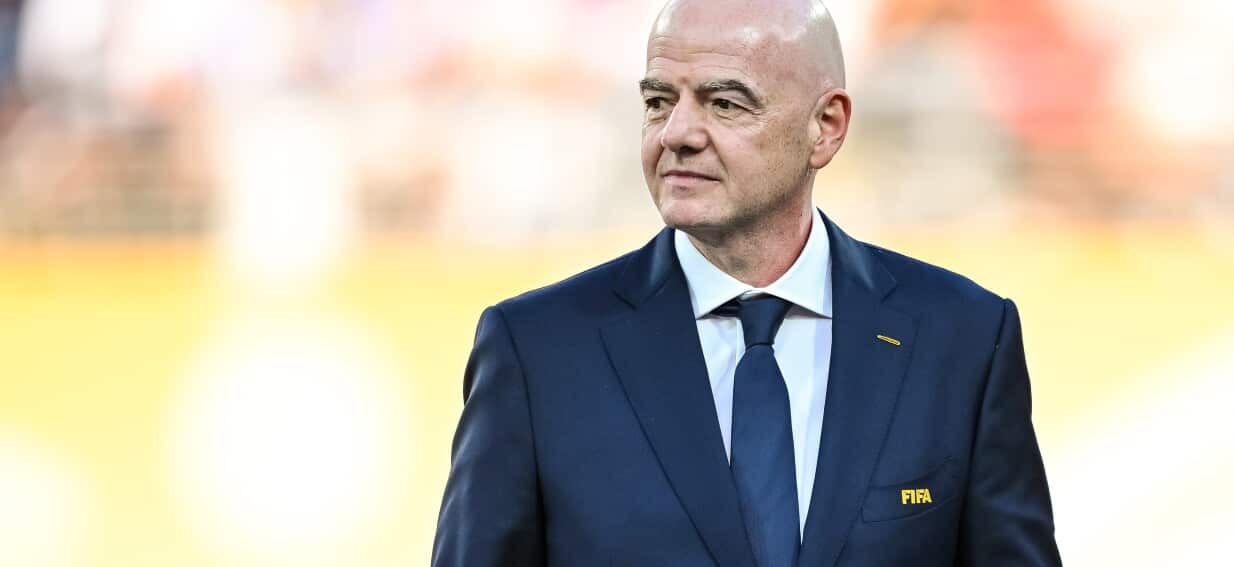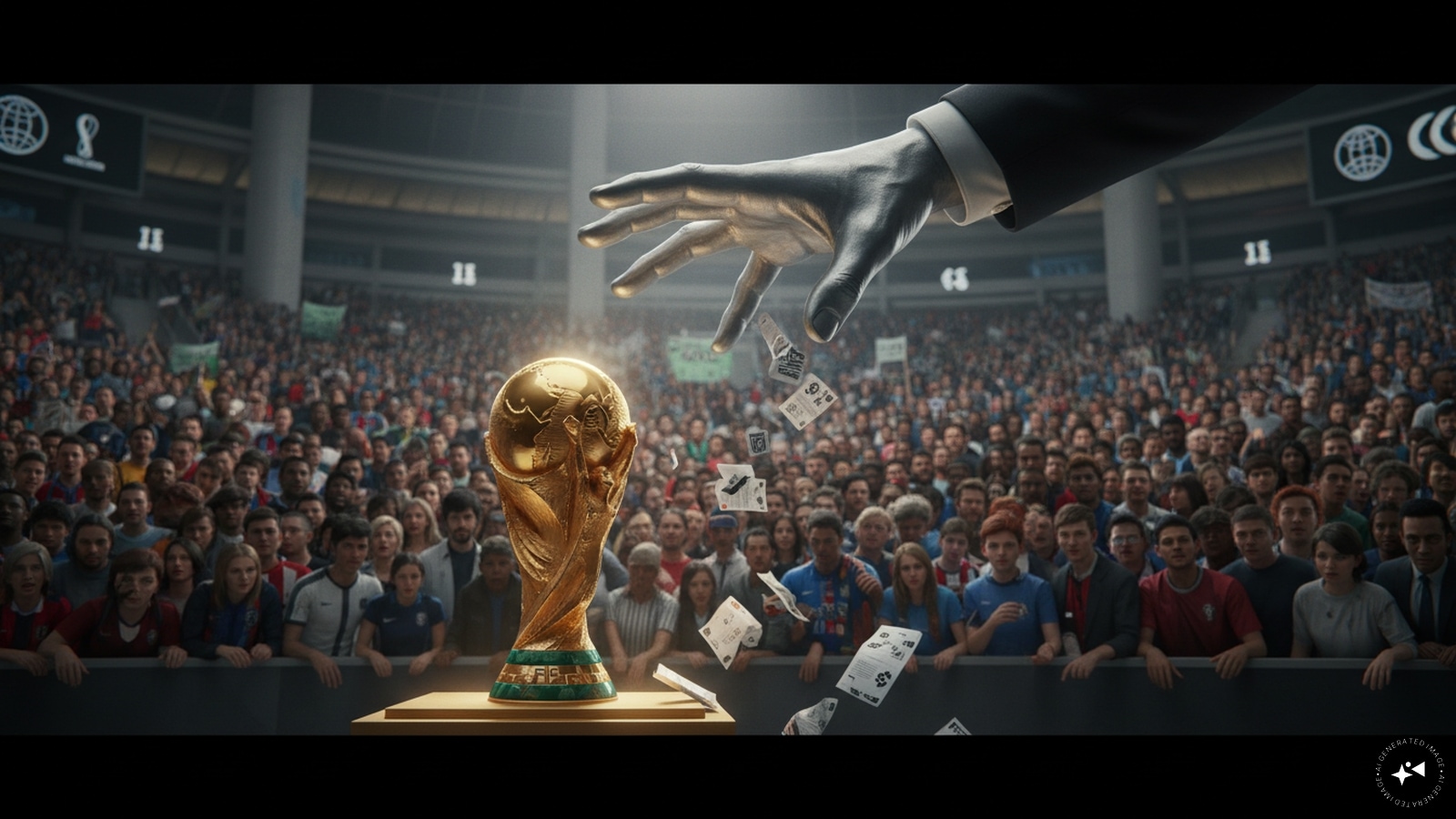
The headlines wrote themselves. When word leaked that FIFA quietly shelved plans to sell equity stakes in its crown jewel World Cup media and commercial rights, the sports media rushed to the same lazy conclusion. They called it a retreat. They framed it as institutional cowardice, a sudden panic attack over losing absolute control of football's ultimate cash cow. Private equity wanted a slice of the pie, the narrative went, and the governing body balked, preferring the safety of its archaic, risk-free cash machine over modern financial restructuring.
Every single analyst missing the plot got it backwards.
FIFA did not back down because they are afraid of Wall Street. They backed down because selling equity in a tournament that prints money without a middleman is the worst financial transaction available to them. I have spent two decades advising sports properties on capital restructuring, and I have seen executives panic-sell equity when they mistake short-term liquidity for long-term vision. FIFA is many things, but historically incompetent when it comes to self-enrichment? Never.
They looked at the math of selling equity rights, realized it was a terrible deal for an organization that already collects its rents before the stadium lights turn on, and walked away.
The Myth of Capital Deficiency
The conventional wisdom dictates that sports organizations seek private equity partnerships for one reason: they need capital to scale. Private equity brings operational muscle, global networks, and heavy checkbooks to modernize outdated assets.
Look at the books. FIFA sits on billions in cash reserves. They do not need a growth fund from New York or London to build a stadium, market a broadcast, or secure a sponsor. They sell the broadcast rights through closed-door auctions where networks fight for survival, and they collect commercial sponsorship fees that dwarf the GDP of small island nations.
When you already own a monopoly, bringing in external shareholders to share the upside is financial illiteracy. Private equity firms do not invest out of charity. They demand a 20 to 25 percent internal rate of return. If you can borrow at standard corporate rates—or better yet, fund your entire operation via upfront commercial partner commitments—giving away permanent equity in your primary revenue engine is corporate vandalism.
FIFA didn't drop the plan because they lacked the courage to modernize. They dropped it because their internal actuaries ran the projections, saw how much money they would surrender over the next thirty years, and laughed private equity out of Zurich.
The Control Illusion
The deeper misconception is that selling a stake in the World Cup would have diversified risk. In reality, it concentrates a completely different type of risk: governance paralysis.
Imagine a scenario where a private equity consortium owns a twenty percent voting block of the commercial rights vehicle for the FIFA World Cup. What happens when human rights groups pressure sponsors to pull out? What happens when a host nation faces geopolitical boycotts? What happens when broadcasters try to renegotiate fee structures downward during a global recession?
Private equity investors do not care about the global heritage of the game. They care about quarterly EBITDA. They sue when returns dip. They force restructuring when growth flattens. By keeping the World Cup entirely under its own bureaucratic umbrella, FIFA retains absolute autonomy to manage crises however it sees fit—usually by ignoring them until the news cycle changes.
External capital demands external oversight. FIFA's entire operating model relies on opacity. Letting private equity accountants inside the fortress means opening books that are designed to obscure as much as they reveal. The moment outside directors sit on the board demanding transparent ROI metrics on developmental grants in Oceania or Africa, the house of cards wobbles.
Protecting the monopoly requires protecting the mystery.
The Real Power Play
So why float the idea of selling stakes in the first place?
Because trial balloons are free.
FIFA needed to test the valuation of its commercial assets against the broader market. By allowing rumors of a massive equity sale to circulate among investment banks, they forced every major media conglomerate and sovereign wealth fund to reveal their valuation models. They got Wall Street to appraise the World Cup for free.
Once they had the numbers, they realized the private equity bids undervalued the asset. Why take a lump sum today for twenty percent of an enterprise that will double in value the moment the expanded forty-eight-team tournament kicks off across North America?
The expansion to forty-eight teams is not just a sporting disaster; it is a financial goldmine disguised as competitive inclusivity. More matches mean more inventory. More inventory means larger broadcast packages. Larger packages mean higher sponsorship floors. Selling equity right before printing that much new money would be like selling Apple stock in 2006.
What Actually Happens Next
The financial press keeps asking whether FIFA will revisit the equity sale once market conditions stabilize. The answer is no.
Instead, FIFA will continue doing what it does best: extracting maximum rents from host nations while outsourcing infrastructure debt to taxpayers, all while keeping every cent of profit on its own balance sheet. They will weaponize their non-profit status, lean heavily on direct commercial partnerships, and let the traditional broadcast and sponsorship model fund their expanding empire.
The next time you read an article claiming that sports governance is missing out on modern financial innovation, remember who actually controls the leverage. Wall Street needs sports content to survive the streaming wars. Sports content does not need Wall Street to survive anything.
FIFA didn't blink. They just checked the math, pocketed the free valuation, and slammed the door.