The Compounding Bureaucracy Distraction
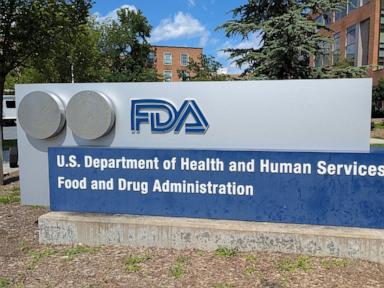
The mainstream narrative surrounding the FDA Pharmacy Compounding Advisory Committee (PCAC) voting to place six peptides on the 503A Bulk Drug Substances List is missing the point. Outlets report on this narrow victory as if six peptides getting a green light represents a massive leap forward for patient access and regulatory evolution.
It does not. Celebrating this six-peptide crumb is like praising a leaky faucet for giving you a glass of water while the house burns down around you. For a deeper dive into this area, we recommend: this related article.
The mainstream coverage treats the advisory committee's recommendation as a triumph of modern regulatory compromise. Industry insiders who actually deal with supply chains, quality compliance, and compounding logistics know better. This entire vote is a masterclass in performative oversight—a micro-fix designed to pacify independent pharmacies while maintaining a broken macro-framework.
What the PCAC Debate Got Wrong
The core argument put forth by regulatory defenders is simple: safety first. They insist that bulk drug substances used in compounding must undergo rigorous evaluation before being placed on the 503A list, which permits state-licensed pharmacies to compound custom formulations for individual patients. For additional background on this development, comprehensive coverage is available on Psychology Today.
Here is the structural reality the committee ignores:
- Standardization vs. Innovation: The FDA's evaluation criteria for bulk drug substances favor well-trodden, high-margin synthetic pharmaceuticals, penalizing nimble peptide science that does not fit neatly into classic small-molecule frameworks.
- The Supply Chain Reality: Restricting bulk peptide compounding does not stop demand; it simply drives patients away from clinical, state-regulated 503A pharmacies and straight toward unregulated online gray markets labeled "for research purposes only."
- False Precision in Risk Assessments: Evaluating individual peptides in a vacuum fails to address why physicians prescribe them in the first place—frequently as targeted, low-toxicity alternatives to traditional therapies with severe side-effect profiles.
The current regulatory apparatus treats peptide compounding like rogue rogue chemistry rather than what it actually is: precise targeted biology.
The Illusion of Progress Under 503A
Let us strip away the jargon. Section 503A of the Federal Food, Drug, and Cosmetic Act was intended to protect traditional pharmacy compounding. Instead, the process for updating the Bulk Drug Substances List has become a graveyard of useful compounds.
| Regulatory Illusion | Clinical Reality |
|---|---|
| Adding 6 peptides demonstrates regulatory agility. | Hundreds of viable therapeutic compounds remain stalled in bureaucratic limbo. |
| Strict bulk substance rules protect consumer safety. | Over-regulation forces consumers into the unmonitored gray market. |
| Advisory committee votes reflect scientific consensus. | Votes often reflect institutional risk aversion and outdated analytical models. |
I have watched healthcare operations burn capital trying to navigate the 503A submission pipeline, only to have arbitrary procedural shifts reset the clock. The committee spends hours debating the purity profiles of specific amino acid chains that have decades of clinical use overseas, treating clinical precedent as hypothetical noise.
Dismantling the Popular Questions
Does an advisory committee vote mean these peptides are now fully legal to compound everywhere?
No. An advisory committee vote is merely a recommendation to the FDA. The agency still has to issue a final rule. Furthermore, 503A compounding requires an individualized patient-specific prescription and compliance with state board regulations. Thinking a PCAC vote instantly opens the floodgates shows a fundamental misunderstanding of administrative law.
Aren't strict FDA bulk drug list restrictions necessary to prevent another NECC tragedy?
This is the standard rhetorical shield used to justify every regulatory hurdle. The 2012 New England Compounding Center disaster was a failure of basic sterility, sanitation, and oversight—not a failure caused by the inherent danger of bulk therapeutic peptides. Conflating sterile manufacturing hygiene with the clinical utility of peptide molecules is intellectually dishonest.
The Actual Solution for Practitioners and Clinics
If you run an integrative medicine practice, a clinical research site, or an independent pharmacy, waiting for regulatory agencies to clear the backlog compound-by-compound is a strategy for irrelevance.
- Shift Focus to Approved Peptides: Prioritize FDA-approved peptide therapies already on the market where off-label prescribing authority applies, rather than relying strictly on bulk compounding list updates.
- Audit Your Supply Chains Ruthlessly: If you utilize 503A or 503B facilities, demand certificates of analysis (CoAs) that detail mass spectrometry and HPLC purity reports for every lot. Do not take a facility's word for it.
- Educate Patients on Gray Market Dangers: The biggest risk to patient health is not a 503A pharmacy compounding a peptide under USP guidelines; it is the patient buying unverified powder in a vial online because their doctor could not legally write them a prescription.
Stop celebrating administrative breadcrumbs. The recent vote isn't a victory for modern medicine—it's proof of how slow the system truly is.