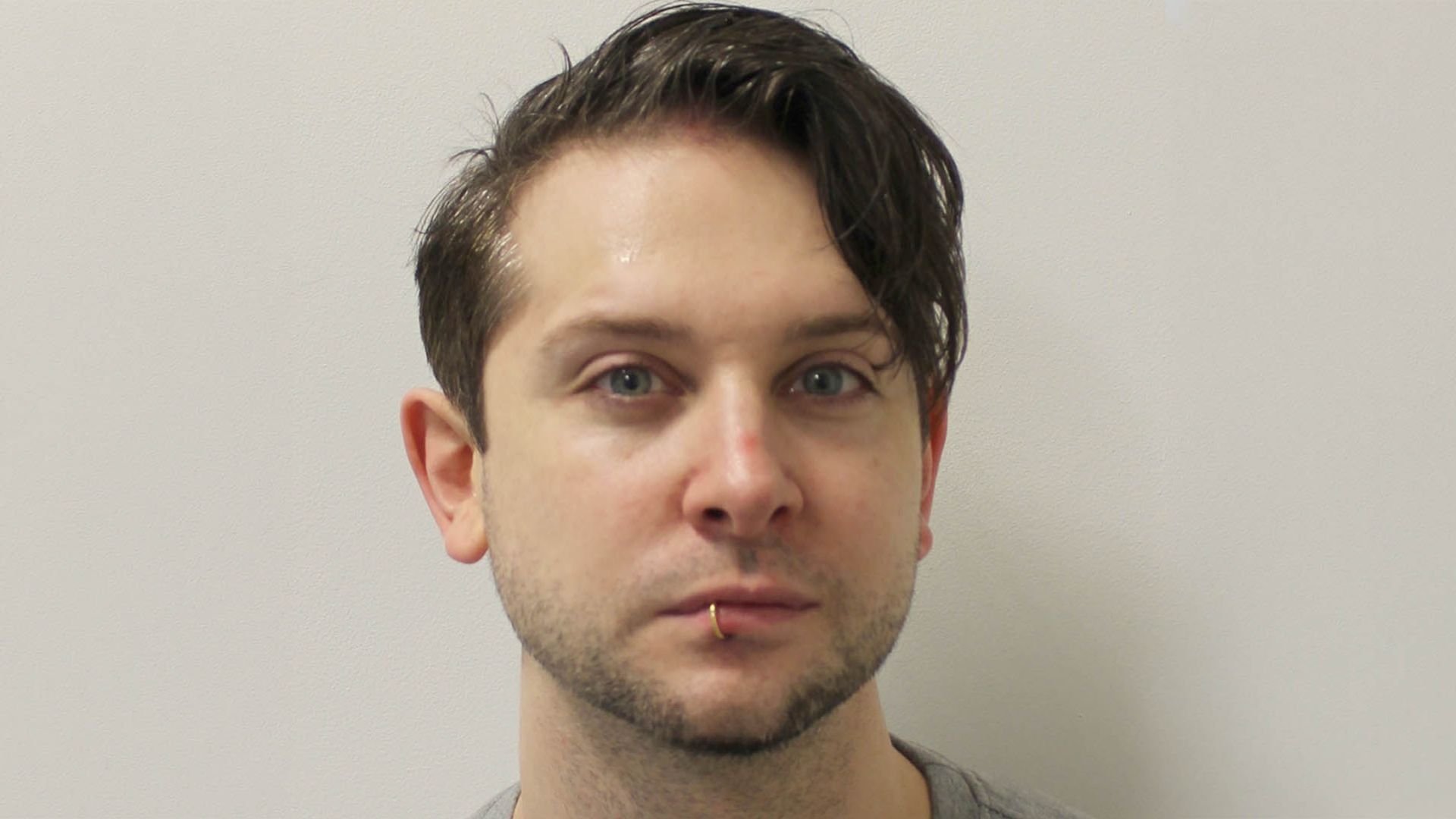
Ross William Wild, the man who briefly stepped into the spotlight as the lead singer of Spandau Ballet, has been sentenced to 14 years in prison following a series of horrific sexual offenses. A judge at Warwick Crown Court handed down the sentence after Wild was convicted of multiple counts of rape and sexual assault against several women. This ruling marks the end of a legal battle that exposed a pattern of predatory behavior hidden behind the facade of a professional music career. The severity of the sentence reflects the long-term trauma inflicted on his victims and serves as a stark reminder of the accountability facing those who exploit positions of influence.
A Career Built on a Fragile Legacy
The story of Ross William Wild is not just about a single fall from grace. It is about the machinery of the entertainment world that allows individuals to operate in the shadows of fame while their private actions remain unchecked. Wild joined Spandau Ballet in 2018, replacing the legendary Tony Hadley. For many fans, he was a fresh face meant to revitalize a band that defined the New Romantic era. However, the reality of his life outside the rehearsal room was far more sinister.
The court proceedings revealed that Wild utilized his status and the perceived glamour of his profession to gain the trust of his victims. This is a recurring theme in high-profile abuse cases. The power dynamic shifts when one party holds the keys to a world most people only see from the outside. Wild didn’t just commit crimes; he leveraged the aura of a "rock star" to isolate and manipulate.
The Pattern of Predation
The evidence presented during the trial depicted a man who did not view consent as a requirement. His actions were described as calculated. Prosecutors detailed how Wild would target women, often recording his crimes on his phone. This digital trail proved to be a significant factor in his conviction. It highlights a disturbing trend in modern criminal behavior where perpetrators document their own transgressions, perhaps fueled by a sense of invincibility or a desire to relive the dominance they exerted over their victims.
The victims spoke of the psychological toll his actions took on them. One woman described feeling "hunted." Another spoke of the shame that kept her silent for years. This silence is the primary tool of the predator. By the time the legal system caught up with Wild, the damage was extensive and, for some, irreparable. The 14-year sentence, while substantial, is a fraction of the time these women will spend processing the events that occurred behind closed doors.
The Failure of Industry Vetting
When a major band like Spandau Ballet hires a new frontman, there is a rigorous process for musical compatibility. They look at vocal range, stage presence, and chemistry. Yet, the industry frequently fails when it comes to character assessment. The focus remains on the "brand" and the potential for revenue generation.
The music industry has long been criticized for its "don't ask, don't tell" culture regarding the behavior of its stars. If the talent is performing and the tickets are selling, the personal conduct of the individual is often treated as secondary. This systemic negligence creates a vacuum where predatory behavior can thrive. In Wild’s case, the transition from a relatively unknown performer to the face of a globally recognized band provided him with a new level of social capital that he immediately weaponized.
Institutional Blindness
We have seen this narrative play out across various sectors of entertainment. The "bad boy" image is often marketed as an asset rather than a warning sign. While Wild was not marketed as a rebel, the inherent protection offered by the industry’s inner circles provided a safety net. It is only when the legal system intervenes that the industry leaders distance themselves, claiming shock at revelations that often align with long-standing rumors.
The vetting process needs to evolve. A background check that looks for criminal records is the bare minimum. What is truly required is a shift in culture where the safety of those interacting with public figures is prioritized over the preservation of a band’s legacy.
The Digital Evidence Trail
One of the most damning aspects of the case was the presence of video evidence on Wild’s own devices. This was not a situation of "he said, she said." The jury was presented with undeniable proof of his actions. This shift toward digital documentation in sexual assault cases is changing the way these crimes are prosecuted.
Police found thousands of images and videos on his hardware. This suggests a level of compulsion and a lack of fear regarding consequences. It also points to a broader societal issue regarding the consumption of non-consensual content. Wild wasn't just a perpetrator; he was a curator of his own cruelty.
Breaking the Cycle of Silence
The bravery of the women who came forward cannot be overstated. In cases involving public figures, victims often face intense scrutiny, victim-blaming, and the fear of a powerful legal team aiming to discredit them. The conviction of Ross William Wild is a testament to the fact that the tide is turning. The "rock star" defense is no longer a valid shield against criminal prosecution.
The legal system in the UK has faced criticism for low conviction rates in rape cases, but this specific outcome demonstrates that when evidence is clear and victims are supported, justice is possible. The sentence includes an extended license period, meaning Wild will be monitored long after his physical release from prison. This is a necessary precaution for an individual who showed a consistent lack of empathy and a penchant for repeated offenses.
The Impact on the Spandau Ballet Name
For the remaining members of Spandau Ballet, the association with Wild is a stain on a decades-long career. They moved quickly to distance themselves once the allegations became public, but the damage to the brand's perception is undeniable. This serves as a cautionary tale for any legacy act looking to recruit new members.
The band’s history is rooted in the 1980s—a time of excess and, in many cases, questionable behavior that was swept under the rug. Bringing a modern predator into that fold inadvertently bridges the gap between the mistakes of the past and the accountability of the present. The band now has to navigate a future where their most recent public chapter is defined by the crimes of their former singer.
The Reality of Modern Accountability
We are living in an era where the pedestal is no longer a safe haven. The conviction of Ross William Wild is a signal to the industry that the era of looking the other way is ending. It is a slow process, but the legal precedents being set today will dictate the standards of tomorrow. The focus must remain on the victims and the systemic changes required to prevent individuals like Wild from ever reaching a position of power again.
The 14-year sentence is a clear message from the judiciary. Sexual violence is not a "lifestyle choice" or a byproduct of fame. It is a violent crime that carries life-altering consequences for everyone involved. As the doors of the prison close behind Wild, the conversation about safety, vetting, and the dark underbelly of fame must continue. The industry cannot afford to treat this as an isolated incident. It is a symptom of a much larger, more pervasive problem that requires a total overhaul of how we view, protect, and promote those in the public eye.
Justice was served in a courtroom in Warwick, but the real work begins in the boardrooms and backstage areas where the next Ross William Wild might currently be hiding. Accountability isn't just about prison time; it's about dismantling the structures that allow these crimes to happen in the first place.