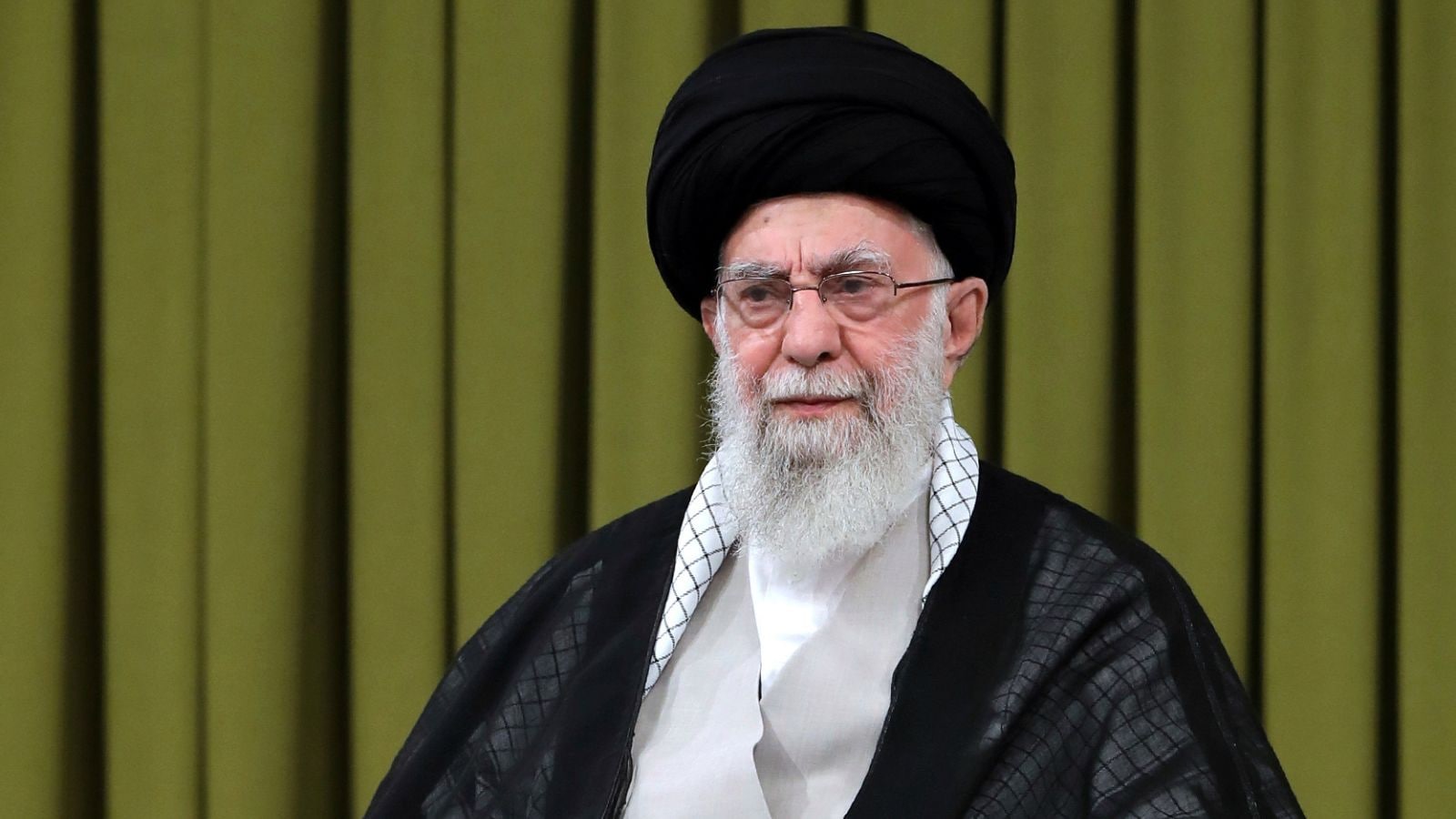
The Middle East just shifted on its axis. Reports confirmed that Ayatollah Ali Khamenei, the man who ruled Iran with an iron grip for 36 years, was killed in a series of coordinated US-Israeli airstrikes. This isn't just another headline. It’s the end of an era that defined modern global defiance. If you've been following the tension building in the region over the last few months, you knew something had to give. But nobody truly expected a strike of this magnitude against the Supreme Leader himself.
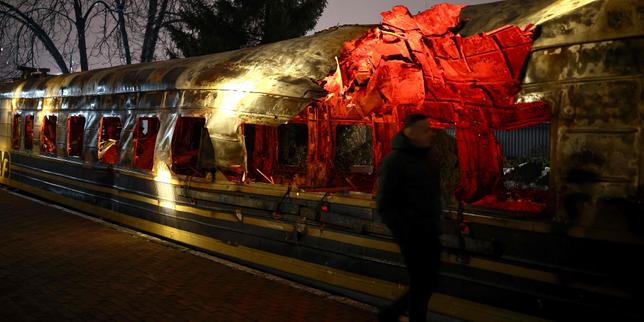
The strikes targeted a high-security compound where Khamenei was reportedly meeting with top military brass. This wasn't a random hit. It was a surgical operation that required pinpoint intelligence and perfect timing. For decades, Khamenei stood as the ultimate authority, the final word on everything from nuclear policy to social dress codes. Now, that pillar is gone. The vacuum left behind is massive, and honestly, it’s terrifying for anyone living in the blast radius of Iranian influence.
Why this strike changed everything for the Islamic Republic
Most people think of Iran as a standard government with a president and a parliament. That’s a mistake. The Office of the Supreme Leader is the only thing that really matters. Khamenei wasn't just a politician; he was the Commander-in-Chief and the religious head of state. By removing him, the US and Israel haven't just taken out a leader. They’ve decapitated the entire structural integrity of the Iranian system.
The timing matters more than the act. Iran was already facing internal pressure from a young population tired of economic stagnation and social restrictions. By striking now, the coalition has forced the hand of the Islamic Revolutionary Guard Corps (IRGC). Without Khamenei’s steady, albeit radical, hand to balance the different factions of the hardliners, we’re likely to see a chaotic scramble for power.
You have to understand the sheer history here. Khamenei took over in 1989 after the death of Ayatollah Khomeini. He navigated the Iran-Iraq war aftermath, multiple rounds of crippling sanctions, and the rise of the "Axis of Resistance." He survived decades of assassination plots and internal coups. To see him fall in a direct kinetic strike is a psychological blow to the regime that they might not recover from.
The failure of Iranian air defenses
How does a man protected by the most elite security forces in the world get hit? It’s a question that’s going to haunt the IRGC for years. We’re talking about layers of Russian-made S-300 systems, indigenous radar networks, and a ring of human shields. Yet, the strikes penetrated it all.
The technical failure points toward a massive intelligence breach. You don't hit a target like this without someone on the inside talking. It suggests that the "impenetrable" security around the Supreme Leader was compromised long before the planes even took off. Israel’s Mossad and US intelligence agencies have clearly spent years mapping out the subterranean bunkers and communication lines.
This sends a clear message to the rest of the leadership: nobody is safe. If the most protected man in the country can be reached, then every general, every cleric, and every nuclear scientist is currently sitting in a crosshair. It’s a level of vulnerability the regime hasn't felt since the early days of the revolution.
Who steps into the void
There isn't a clear successor. That’s the problem. In a system built on absolute loyalty to one man, the "number two" is often kept weak to prevent a coup. The Assembly of Experts is supposed to choose the next leader, but the IRGC actually holds the guns.
- Ebrahim Raisi’s ghost: If the former president were still alive, he’d be the guy. But his death in a helicopter crash a while back already thinned the herd of viable candidates.
- Mojtaba Khamenei: The son. While hereditary rule isn't technically how the Islamic Republic works, he’s been the power behind the throne for years. But the Iranian people hate the idea of a "clerical monarchy."
- The IRGC Junta: We might see the military side of the house simply stop pretending the clerics are in charge. A military dictatorship under the guise of religious protection is the most likely short-term outcome.
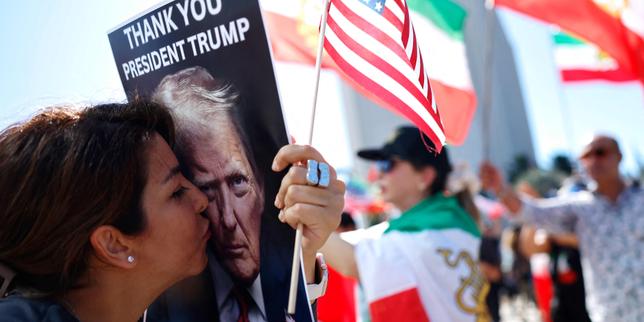
Expect the streets to get messy. Protesters who have been waiting for a moment of weakness might see this as their only shot. If the security forces are too busy fighting each other for the top spot, they can't effectively suppress a nationwide uprising.
Regional ripples and the Axis of Resistance
Hezbollah in Lebanon, the Houthis in Yemen, and various militias in Iraq just lost their financier and spiritual guide. Khamenei was the glue holding these disparate groups together. He provided the vision. Without him, these groups are now essentially independent contractors with no central HR department.
Israel is clearly betting that a leaderless Iran will be too distracted by internal chaos to fund a multi-front war. It’s a high-stakes gamble. A cornered animal is dangerous, and a leaderless IRGC might decide that a massive regional escalation is the only way to stay relevant. We could see immediate retaliatory strikes against oil infrastructure in the Gulf or shipping lanes in the Red Sea.
What you should watch for next
The next 48 hours are critical. Look for the state media broadcasts. If they stay silent or play repetitive religious music, it means the power struggle is currently violent. If a new leader is announced instantly, it means the IRGC has already staged a silent coup.
You need to keep an eye on the oil markets. Any instability in the Strait of Hormuz will send prices through the roof. If you have investments tied to global energy, now is the time to check your exposure. More importantly, watch the borders. Refugee movements into Turkey or Iraq will be the first sign that the civil order in Iran is truly collapsing.
This isn't just news; it’s a total rewrite of 21st-century geopolitics. The old guard is dead. What comes next won't be peaceful, but it will certainly be different. Don't expect the transition to be smooth or the rhetoric to die down. The Middle East just entered its most unpredictable chapter yet.
Check the official updates from the State Department and international monitoring groups. If you have family or business interests in the region, secure your communications now. The internet in Iran is already being throttled, and traditional phone lines won't be far behind. Prepare for a long period of "darkness" while the new regime—whatever it looks like—tries to cement its control.