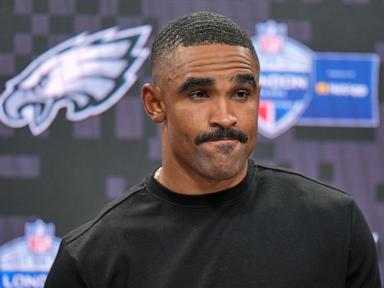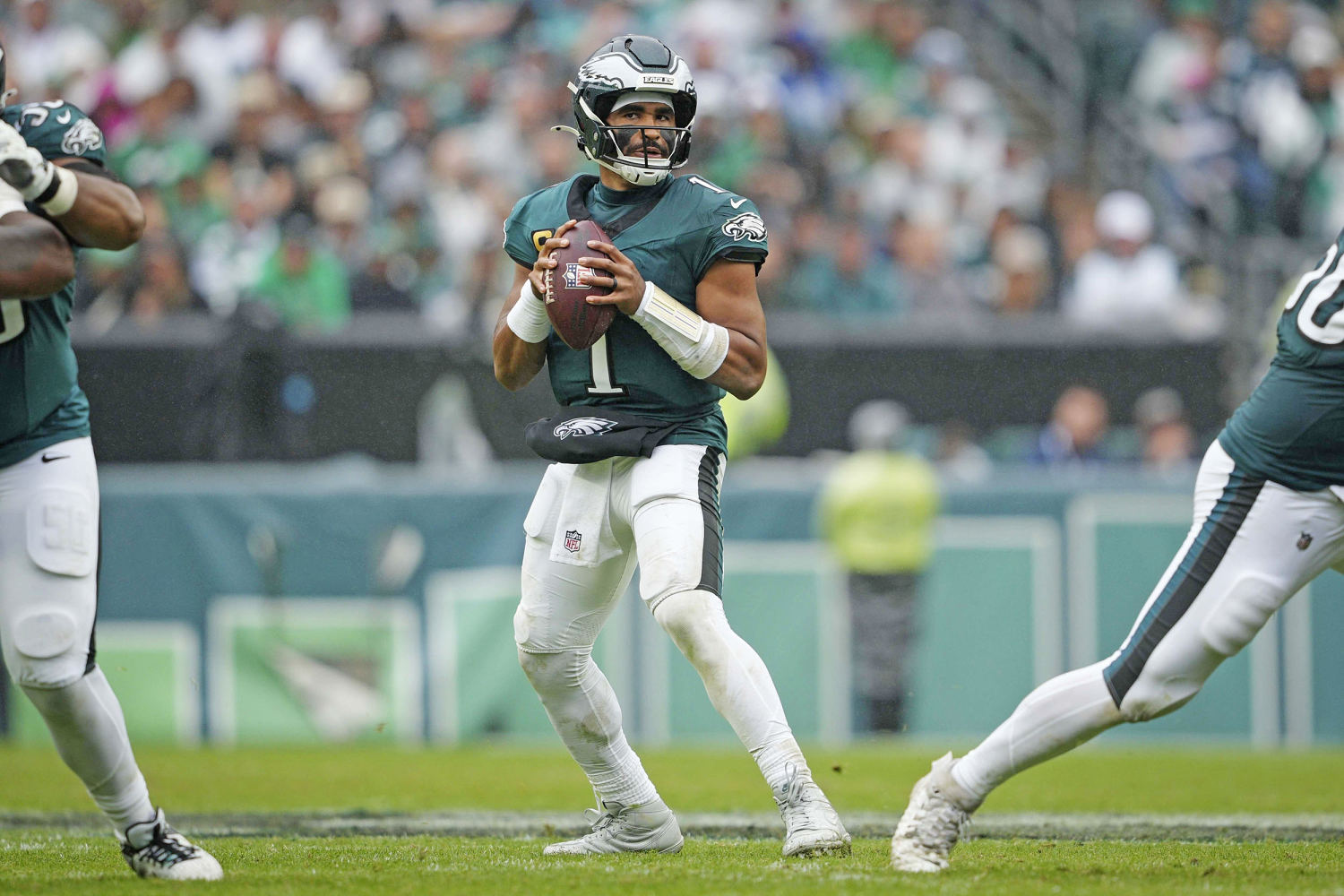
Jalen Hurts isn't just missing football games right now—he's navigating a medical situation that turns a routine NFL season into an exercise in patience and caution. Reports in mid-October revealed that Hurts was placed on injured reserve after doctors found blood clots in his leg, and follow-up testing uncovered multiple blood clots in his lungs, likely ending his 2026 season.
The immediate football headline is obvious enough. Without their franchise quarterback, the Philadelphia Eagles have spiraled into a brutal stretch, sitting at 2-7 in the NFC East after dropping seven straight games. Yet focusing solely on box scores misses the bigger story. A blood clot in the calf that turns into pulmonary emboli changes how you look at player health, travel across time zones, and how fast a minor-sounding leg issue can escalate. If you enjoyed this piece, you might want to read: this related article.
How Jalen Hurts Went From a Calf Cleat to Blood Clots
To understand how this happened, you have to trace the timeline from early October. According to team details and reporting from outlets like CBS News and FOX Sports, Hurts took a cleat to his left calf during the October 4 game against the Los Angeles Rams. He didn't request treatment on the calf until October 8, after a practice that Thursday.
Then came the transatlantic trip to London to face the Jacksonville Jaguars in Week 5. An ultrasound in London flagged a blood clot, initially characterized as a superficial clot in the calf, and Hurts still suited up and played in the 19-17 loss to Jacksonville on October 11. By October 17, the Eagles placed him on injured reserve ahead of Week 6. Two days later, a joint statement from the Eagles and Hurts' agent, Nicole Lynn, confirmed that further testing revealed deep vein thrombosis and bilateral pulmonary emboli—clots in both lungs. For another angle on this event, check out the recent update from CBS Sports.
Honestly, that progression is what makes NFL fans stomach drop. A superficial leg clot often sounds manageable on paper, especially when a tough quarterback is already pushing through bumps and bruises. Long flights, cramped cabin seating, and physical contact can create tricky conditions when venous circulation is already irritated. When clots travel to the lungs, the conversation stops being about toughness and becomes strictly about medical safety.
Why Blood Clots End an NFL Season So Quickly
A lot of casual fans ask why a player who looks fine walking around the facility can't just strap on shoulder pads in three weeks. The answer comes down to anticoagulants, commonly called blood thinners.
As Dr. Parth Rali, director of the pulmonary embolism response team at Temple Health, explained in coverage reported by CBS News, standard care for pulmonary emboli involves blood thinners to help the body resolve the clots and prevent new ones, typically for a minimum of around three months. While on anticoagulation therapy, contact sports are off the table. Take a hard hit to the ribs, abdomen, or head while your blood takes longer to clot, and normal football contact turns into a serious bleeding risk.
The joint statement from the Eagles and Lynn noted that Hurts was clinically stable without major functional limitations, expected no long-term effects, and would stay around the team to condition while unable to play contact football. That's the silver lining here. With prompt medical intervention and proper therapy, the outlook for a full recovery is strong. Still, the calendar doesn't care how badly Hurts wants to compete; medical clearance comes before football clearance every single time.
What This Means for Eagles Blood Clots Coverage and QB Depth
Whenever a star player goes down with an unusual medical issue, rumors and second-guessing spread fast. Head coach Nick Sirianni addressed the situation publicly by leaning on the team's medical staff and emphasizing player care over football urgency, noting he leaves medical calls to the experts. Meanwhile, media scrutiny—including commentary from ClutchPoints highlighting NFL analyst Mike Florio's push for clarity—shows how fiercely people examine every detail when a high-profile diagnosis unfolds across multiple stages.
From a strictly football perspective, losing Hurts blew up Philadelphia's offensive rhythm. Through five games played in the 2026 season, Hurts threw for 933 yards, 8 touchdowns, and 3 interceptions with a 57.8% completion rate, while adding 107 rushing yards and a rushing score. Once he hit injured reserve, the Eagles cycled through quarterback options:
- Tanner McKee stepped in for three starts as the offense struggled to find traction.
- Joe Milton, signed off the Dallas Cowboys' practice squad in mid-October, made his first NFL start on November 8 against the New York Giants, throwing for 169 yards and rushing for 64 in a 19-11 loss while getting sacked seven times.
- Cole Payton, a rookie fifth-round pick, sits in the mix as a young developmental arm on the roster.
Add wide receiver DeVonta Smith dealing with a hamstring injury since October, and it's easy to see why Philadelphia's offense has ranked near the bottom of the league in total yards and scoring. You can't just plug a backup into a quarterback-run-friendly system and expect the exact same math. Without Hurts' poise, legs, and command at the line, defenses play the offense differently—and offensive linemen feel the difference on every dropback.
Common Misconceptions About Leg Clots and Athletes
People often picture blood clots as something that only happens to sedentary folks sitting on a couch all day. Athletes get them too, and sometimes for weirdly specific reasons. Blunt trauma like a cleat strike, muscle strains, immobilization during travel, or underlying clotting tendencies can all play a role.
Another mistake is assuming that if a player feels winded or leg soreness fades a little, the danger is gone. A clot in the calf isn't just a localized bruise; part of it can break loose and travel through the bloodstream into the lungs. That's why doctors take leg swelling, calf pain, or sudden shortness of breath so seriously, especially after travel.
It's also worth being clear about what we don't know publicly. Private medical charts aren't released in full, and exact return-to-play timelines depend on how a patient responds to treatment and imaging follow-ups rather than a fixed NFL schedule. Anyone claiming an exact week-by-week medical guarantee outside the training room is guessing.
Practical Takeaways for Fans and Everyday Readers
If you're an Eagles fan trying to make sense of the rest of the season, shift your expectations from playoff runs to evaluation and health. Watch how the coaching staff protects the quarterback room, develops younger pieces like Milton and Payton, and keeps Hurts integrated mentally while he recovers.
If you're reading this because a leg bump, calf ache, or upcoming flight made you think twice about your own health, don't shrug off persistent swelling, warmth, tenderness in a calf, or any sudden chest pain or shortness of breath. Talk to a licensed healthcare professional promptly—getting checked early beats toughing it out every time.