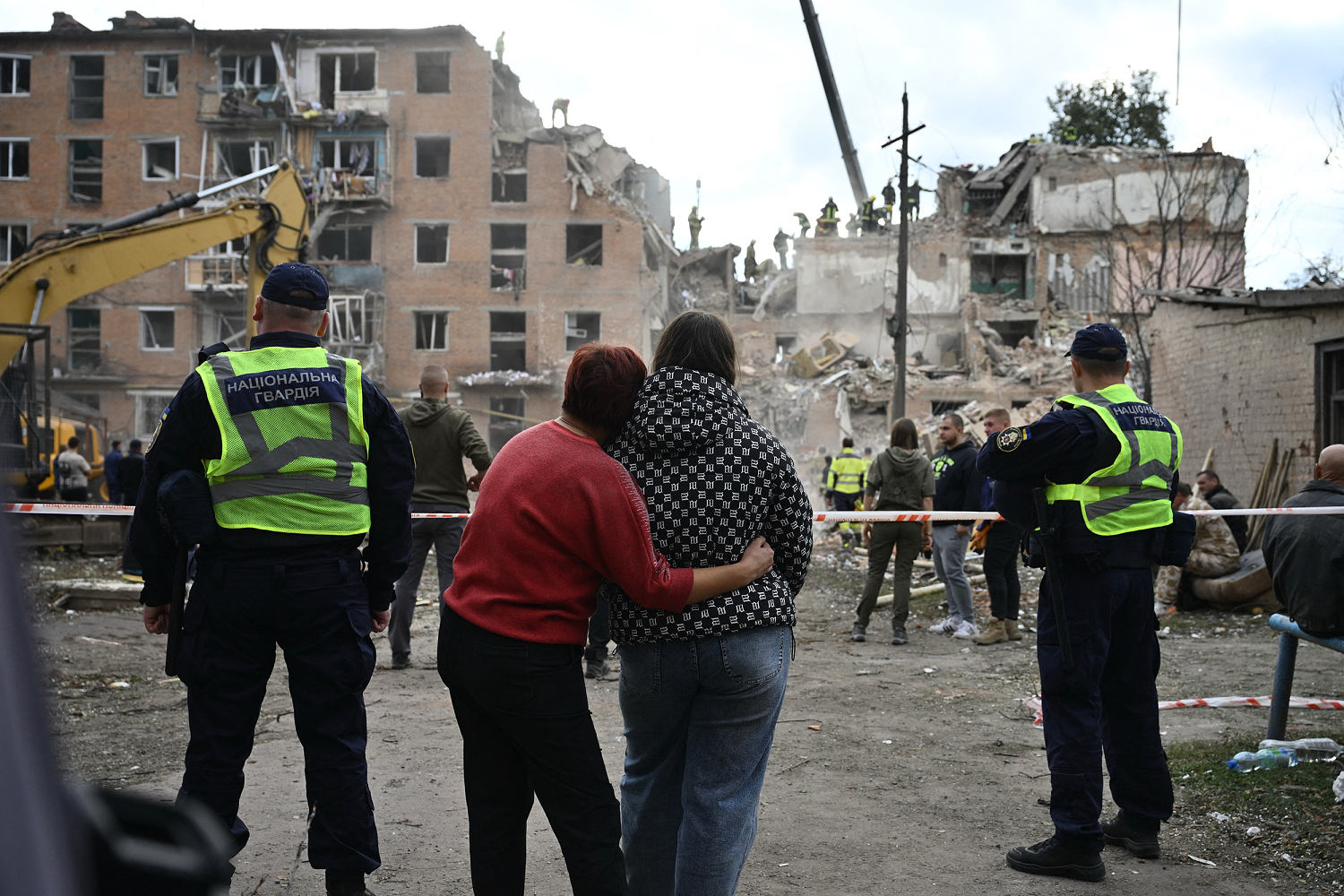
Another week, another leaked dispatch about Washington power brokers gathering behind closed doors to engineer a diplomatic breakthrough. This time, the headlines fixate on Jared Kushner and Steve Witkoff supposedly preparing to brief a Ukrainian delegation on a brand new blueprint for ending the war. The media runs the usual script. Optimism swells among desk-bound analysts. Pundits debate whether this backchannel architecture will finally crack the stalemate.
It is all a dangerous delusion.
The lazy consensus in modern diplomacy assumes that peace is merely a negotiation problem. The premise goes like this: if you lock enough high-net-worth dealmakers and political operators in a room, trade enough territory for security guarantees, and present a slick enough PowerPoint presentation, the fighting stops. This logic treats a total existential conflict like a distressed corporate merger. It ignores the hard mechanics of sovereignty, deep-seated trauma, and the brutal reality that certain wars cannot be brokered into existence simply because exhausted observers want lower energy prices.
I have spent years watching institutional fixers try to apply private equity models to geopolitical powder kegs. They mistake financial leverage for moral authority. They think a clever escrow account or a phased economic incentive package can bypass the fundamental laws of state survival. When you study past backchannel initiatives, the pattern is glaring. Deals built on superficial compromises between external actors inevitably collapse the moment they hit the ground because they misread the underlying incentives of the belligerents.
To understand why this latest backchannel chatter misses the mark, you have to look past the personalities and examine the structural flaws of diplomatic real estate deals.
The Flawed Mechanics of Backchannel Bargaining
The core error of the outsider mediator is the belief that peace is a product of clever text drafting. When negotiators sit down to carve up a settlement, they typically focus on three levers: territorial concessions, sanctions relief, and future security architectures.
Each of these levers is broken.
Territory is not a line item on an asset sheet. For a nation defending its borders, ceding ground under foreign pressure creates a permanent vulnerability that guarantees future conflict rather than ending current ones. When external dealmakers treat land like a bargaining chip to be traded for a temporary ceasefire, they underestimate the cost of internal political collapse. No Ukrainian leadership can sign away sovereignty without triggering immediate domestic implosion. A peace that requires national suicide to achieve is not peace; it is a delayed invasion.
Sanctions relief suffers from a similar delusion. Western architects often assume that economic pain is the primary driver of state behavior. If you squeeze a bank or restrict an export, the leadership will recalculate and sue for terms. But in total war, economic metrics take a back seat to regime survival and national destiny. Financial incentives do not alter the calculus of an adversary who views compromise as an existential defeat.
Security guarantees are the final casualty of this approach. Paper promises from third-party nations are only as good as the political will of the leaders signing them years down the road. History is littered with violated treaties and hollow memorandums of understanding. A nation facing total destruction will never trade hard military capacity for soft diplomatic assurances crafted by transient political figures who might not even be in office next election cycle.
The Real Agenda Behind the Headlines
Why do these uninvited diplomatic tours keep happening? Follow the incentives.
High-profile mediators and private emissaries operate in a space where visibility and proximity to power confer immense personal leverage. Even when an initiative has zero chance of formal implementation, the mere act of organizing talks creates the illusion of momentum. It positions the architects as indispensable dealmakers, fuels corporate networking, and generates endless cycles of free publicity.
The diplomatic circuit loves a savior narrative. It provides a comforting distraction from the grinding, unglamorous reality of prolonged attrition warfare. While diplomats trade drafts in luxury hotels, the actual dynamics on the battlefield are dictated by industrial output, artillery logistics, and raw troop endurance. None of those variables shift because two former presidential advisors flew in for a private dinner.
We need to stop treating diplomatic tourism as a serious substitute for strategic reality.
What Actually Ends This War
If you want to understand how this conflict eventually settles, you have to abandon the fantasy of the master negotiator swooping in with a signed napkin. Wars of this magnitude do not end because someone found the magic words for a joint communiqué. They end when the physical and economic costs to both sides reach a threshold where continuing the slaughter yields net negative returns, and neither side believes further momentum is achievable through force.
That threshold is reached through hard military supply, domestic resilience, and the patient alignment of industrial capacity—not through backdoor real estate deals engineered by outsiders looking for a diplomatic win.
Stop waiting for the miracle blueprint. There is no clever clause hidden in a backchannel memo that will bypass the blood and iron of this conflict. Until the power brokers accept that peace is earned through structural deterrence rather than clever contract negotiation, every new peace plan is just expensive theater.