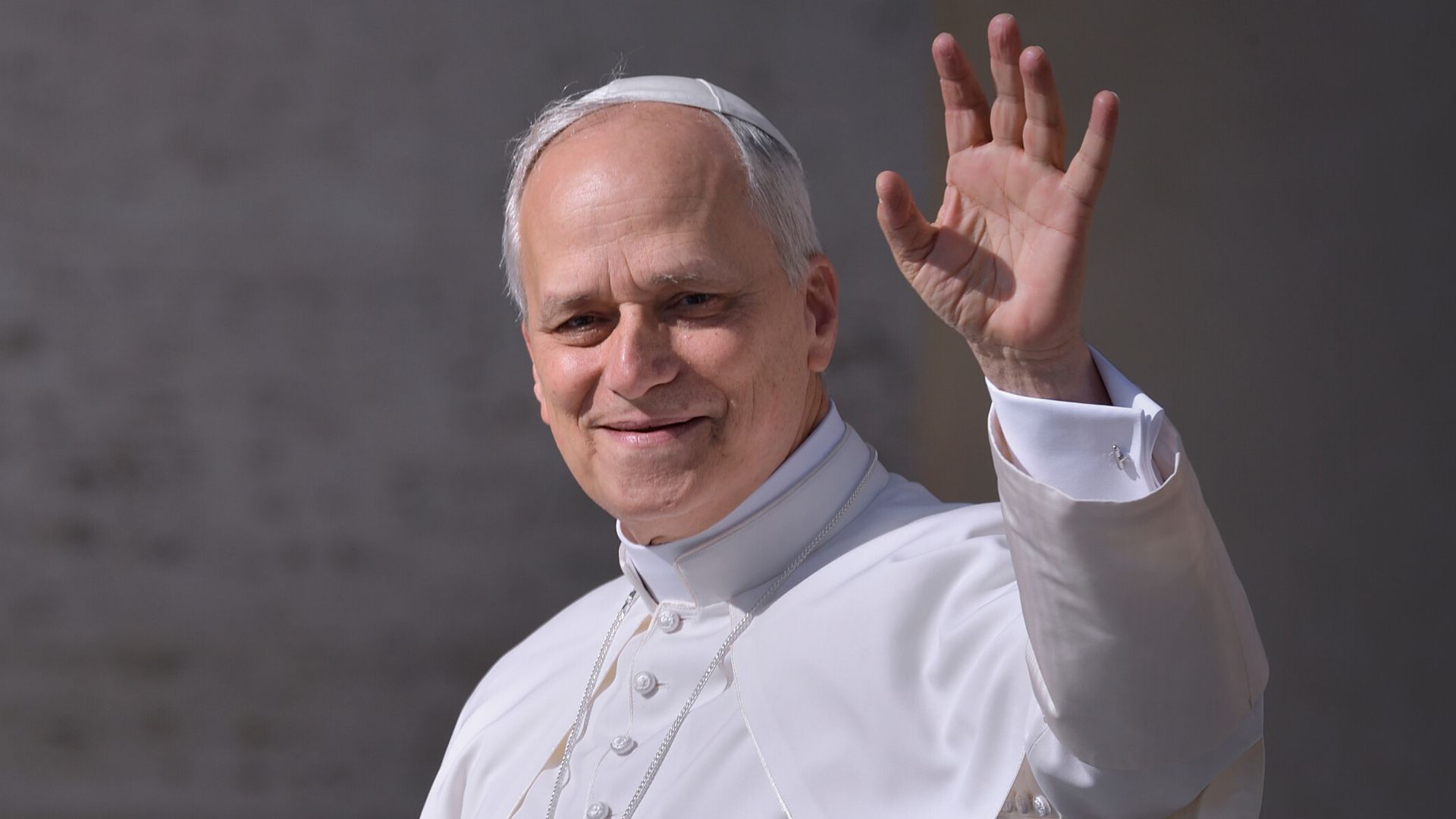
The media coverage surrounding Pope Leo XIV’s lung surgery reads like a sanitized press release from a frightened bureaucracy. When the Vatican announced that the 71-year-old pontiff was heading to Rome's Gemelli University Hospital to excise a lung nodule, the punditry class rushed to deliver their predictable, hand-wringing takes. They framed it as a standard scare, an isolated medical footnote, or a fragile moment for an aging leader.
They missed the actual story entirely. In similar updates, we also covered: The Quiet Threat Inside Every Delivery Room.
The lazy consensus treats pulmonary nodule interventions in septuagenarians as high-stakes gambles where the body is inherently too frail to cope. Experts on cable news breathlessly dissected the pathology of "incidentalomas"—those shadowy anomalies picked up on routine scans—treating every millimeter of tissue as a ticking clock.
Let's look at the actual clinical reality instead of the panic. Pope Leo's procedure, which resulted in the removal of the lower lobe of his right lung due to a localized cancerous growth, is not a sign of systemic collapse. It is a masterclass in aggressive, early-stage intervention that completely dismantles the myth that aging bodies cannot tolerate major thoracic resection. National Institutes of Health has also covered this fascinating subject in great detail.
I have watched healthcare institutions blow millions on conservative, watch-and-wait paralysis, letting localized problems morph into systemic crises because doctors are too terrified of operating on older patients. The medical establishment's obsession with chronological age over biological resilience is an epidemic of cowardice.
Let us define terms precisely. A pulmonary nodule is a lesion less than three centimeters in diameter surrounded by lung parenchyma. When doctors label a nodule "circumscribed," they mean it has distinct borders—it is a localized tenant, not an invading army. The American Thoracic Society notes that the vast majority of incidental nodules are benign, but when malignancy is confirmed early, anatomical lung resection—such as a lobectomy—remains the gold standard for curative intent.
The media spent weeks hyperventilating over whether a 71-year-old could bounce back from losing a lower lung lobe. This is physiological illiteracy. Biological age dictates surgical outcomes, not the number on a birth certificate. Pope Leo is an active man who plays tennis and maintains a grueling international travel schedule. His baseline cardiopulmonary reserve was vastly superior to the average sedentary patient half his age.
Imagine a scenario where a patient presents with a clean chest X-ray for ten years, followed by a sudden shadow on an annual checkup. The standard panic response demands biopsies, staging delays, and endless committee meetings. Instead, the clinical team executed a textbook surgical strike at Gemelli. They removed the lower lobe, confirmed the early-stage adenocarcinoma, and cleared the field before micro-metastases could even conceptualize a migration.
The postoperative narrative was equally distorted. Pundits questioned why the pontiff refused to sign a provisional letter of resignation prior to going under the knife. They treated his decision to retain full governance during anesthesia as reckless stubbornness.
This criticism exposes a profound misunderstanding of institutional authority and surgical risk assessment. Modern anesthesia is routine; short lobectomies performed by elite thoracic teams do not render a head of state permanently incapacitated. Handing over executive power for a ninety-minute localized resection creates institutional chaos where none is required. Pope Leo recognized that projecting stability is just as vital as physical recovery. His refusal to draft an abdication contingency plan wasn't hubris; it was a cold, rational calculation of risk.
Critics also pointed to his immediate return to an ambitious international itinerary—including a grueling, high-altitude tour of South America featuring multiple flights and helicopter rides—as proof of reckless endangerment.
Here is the counter-intuitive truth that sports medicine and thoracic surgery agree on: enforced bedrest past the acute recovery window is a killer. Post-lobectomy rehabilitation relies on early mobilization. Expansion of the remaining lung tissue requires physical stress, deep breathing, and active engagement. Sitting in a room wrapped in bubble wrap promotes atelectasis and pneumonia—the very complications that actually threaten postoperative patients. By jumping back into high-demand schedules, the pontiff forced his pulmonary system to adapt and expand. Endurance is built under load, not in a recliner.
The real takeaway from this entire episode isn't about papal health policies or Vatican succession protocols. It is a harsh indictment of how society views preventive screening. Most people skip annual physicals because they are terrified of what a routine scan might uncover. They prefer the comforting blanket of ignorance over the sharp, terrifying reality of early diagnosis.
Pope Leo turned his own diagnosis into a public clinic on compliance. He didn't hide the pathology behind vague statements about "exhaustion" or "stomach issues." He came out and stated that a routine checkup found a shadow, and he cut it out.
Stop waiting for symptoms to appear before you care about your internal machinery. Symptoms are the body's final, desperate scream for help, long after the quiet whispers of early-stage anomalies have been ignored. If a 71-year-old global leader can pause his geopolitical agenda to carve out a cancerous lobe and resume international diplomacy weeks later, your excuses for skipping your annual physical are completely bankrupt.
Get the scan. Cut the problem out. Move on.
Fubu Toy review
This video provides medical context on lung nodules and discusses the surgical procedures involved when high-profile figures undergo thoracic interventions.