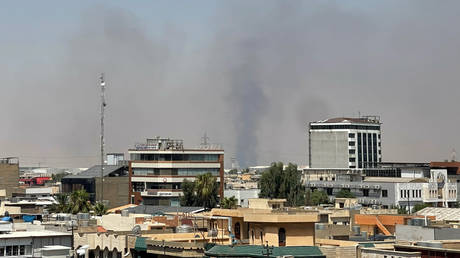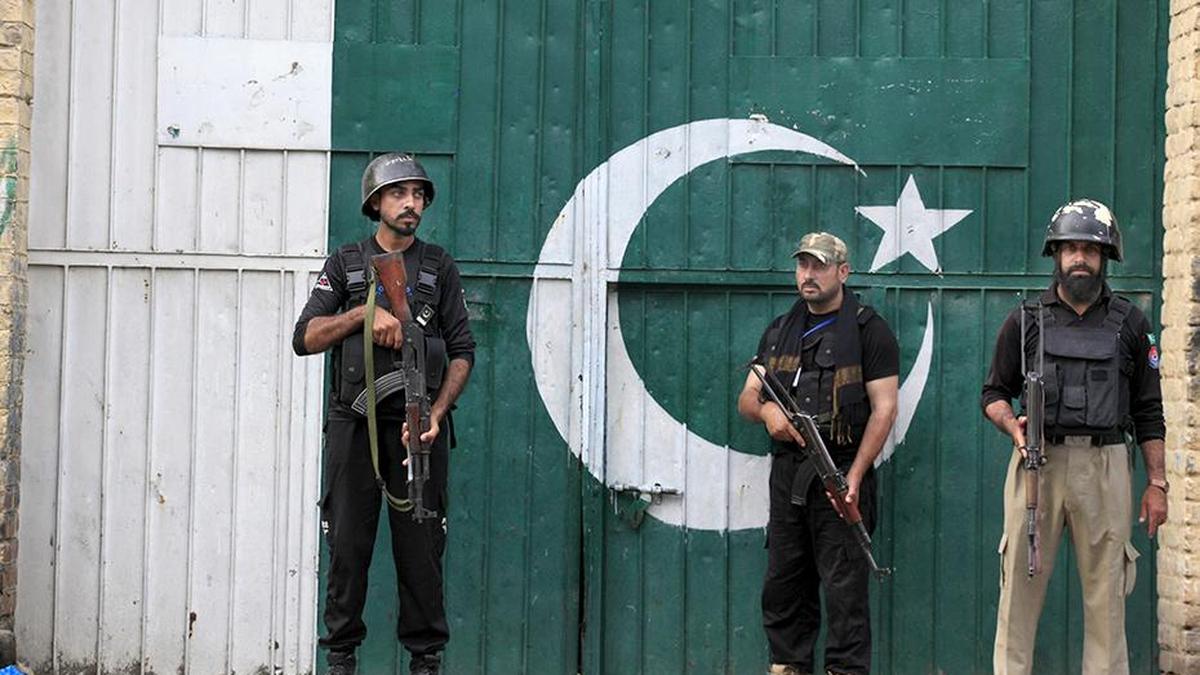
A suicide bomber drove an explosive-packed vehicle directly into a joint security checkpost in northwestern Pakistan, killing 12 soldiers and three civilians.
The attack happened in the Mali Khel area of Bannu district in Khyber Pakhtunkhwa province. Attackers tried to breach the perimeter wall, but troops intercepted them. Forced to detonate the vehicle against the outer boundary wall instead of inside the camp, the massive explosion brought down adjacent structures, leading to heavy casualties. If you found value in this post, you should look at: this related article.
Military officials confirmed six militants died in the subsequent firefight. A splinter faction of the Pakistani Taliban, known as Hafiz Gul Bahadur group, claimed responsibility for the assault.
This tragedy isn't an isolated incident. It's part of a sharp rise in deadly violence sweeping through Pakistan's border regions. For another look on this development, refer to the latest coverage from NBC News.
Why Violence Is Rising Along the Afghan Border
Militancy in Khyber Pakhtunkhwa and Balochistan has surged sharply over the past three years. Security personnel face almost daily ambushes, roadside bombs, and targeted raids.
Why is this happening now?
When the Taliban seized control of Kabul in August 2021, officials in Islamabad expected a safer western border. They assumed a friendly regime in Afghanistan would help curb militant groups operating across the Durand Line. That expectation proved entirely wrong.
Instead, armed groups found greater operational freedom across the border. Groups like Tehreek-e-Taliban Pakistan (TTP) and its offshoots used safe havens to plan, organize, and execute strikes inside Pakistan before slipping back across the porous frontier.
Pakistani security forces find themselves locked in an asymmetrical fight. insurgent groups don't try to hold territory permanently anymore. They focus on hit-and-run attacks against isolated posts, logistics convoys, and intelligence personnel to wear down state resolve.
Understanding the Hafiz Gul Bahadur Faction
Not all militant groups in northwestern Pakistan operate under a single command structure. The group behind the Bannu attack, the Hafiz Gul Bahadur faction, has a long and complex history in North Waziristan.
Years ago, this group maintained a non-aggression pact with the Pakistani military. They focused their efforts primarily on fighting coalition forces inside Afghanistan while leaving local security infrastructure intact.
That fragile truce collapsed completely over time.
Today, the Gul Bahadur network acts as one of the most active and lethal insurgent outfits in Khyber Pakhtunkhwa. They frequently deploy vehicle-borne improvised explosive devices (VBIEDs) and coordinated suicide squads. Their tactical evolution mimics the heavy-weapon tactics perfected during two decades of conflict in Afghanistan.
The military has launched targeted intelligence-based operations to dismantle these cells. Yet, local recruitment networks and cross-border supply lines make complete elimination difficult.
The Human and Strategic Cost on the Ground
Statistically, news reports summarize these events in quick numbers. Fifteen dead. Twelve security personnel. Three civilians. Six militants killed.
Behind those numbers lies a grinding human cost that affects entire communities across northern Pakistan.
Civilians living in Bannu, North Waziristan, and South Waziristan suffer the brunt of this instability. Checkpoints disrupt daily commerce. Nighttime raids create pervasive fear. Constant internet blackouts implemented for security purposes hinder local businesses and education.
The strategic consequences for Pakistan are equally severe.
- Economic Strain: Maintaining thousands of troops in active combat zones consumes vital defense spending when the national economy faces severe inflation and debt pressures.
- Diplomatic Tension: Relations between Islamabad and the interim Taliban government in Kabul have deteriorated to near historic lows over border cross-fire and harbor allegations.
- Foreign Investment Concerns: Major infrastructure projects rely on a stable security environment. Persistent violence frightens away potential global investors.
Counterterrorism Operations and Policy Failures
Pakistan's military has carried out thousands of intelligence-based operations across the country. They've captured weapons caches, disrupted cells, and killed high-ranking commanders.
Military tactics alone haven't stopped the cycle of violence.
Counterterrorism experts point out several structural issues in the current strategy. Local police forces lack the heavy armaments, armored vehicles, and surveillance gear required to secure remote posts once military sweeps conclude. Civil governance in former tribal areas remains underfunded and sluggish.
Political fragmentation in Islamabad also hampers a unified national response. Without long-term economic development and local police empowerment, tactical military victories against insurgents remain temporary.
Where Regional Security Goes From Here
Resolving this crisis requires clear, actionable changes on both sides of the border rather than repeated public condemnations.
Islamabad must strengthen intelligence sharing across provincial borders and upgrade local police capability in high-risk zones like Bannu and North Waziristan. Border management needs tighter biometric monitoring and physical barrier enforcement, despite difficult terrain.
At the diplomatic level, sustained engagement with Afghan authorities is necessary to address border sanctuaries. Without joint border monitoring and economic integration projects that give border populations alternatives to militancy, security posts will remain vulnerable to suicide attacks.
Securing the western frontier requires moving beyond short-term tactical responses toward sustained economic stabilization, institutional reform, and firm border enforcement.