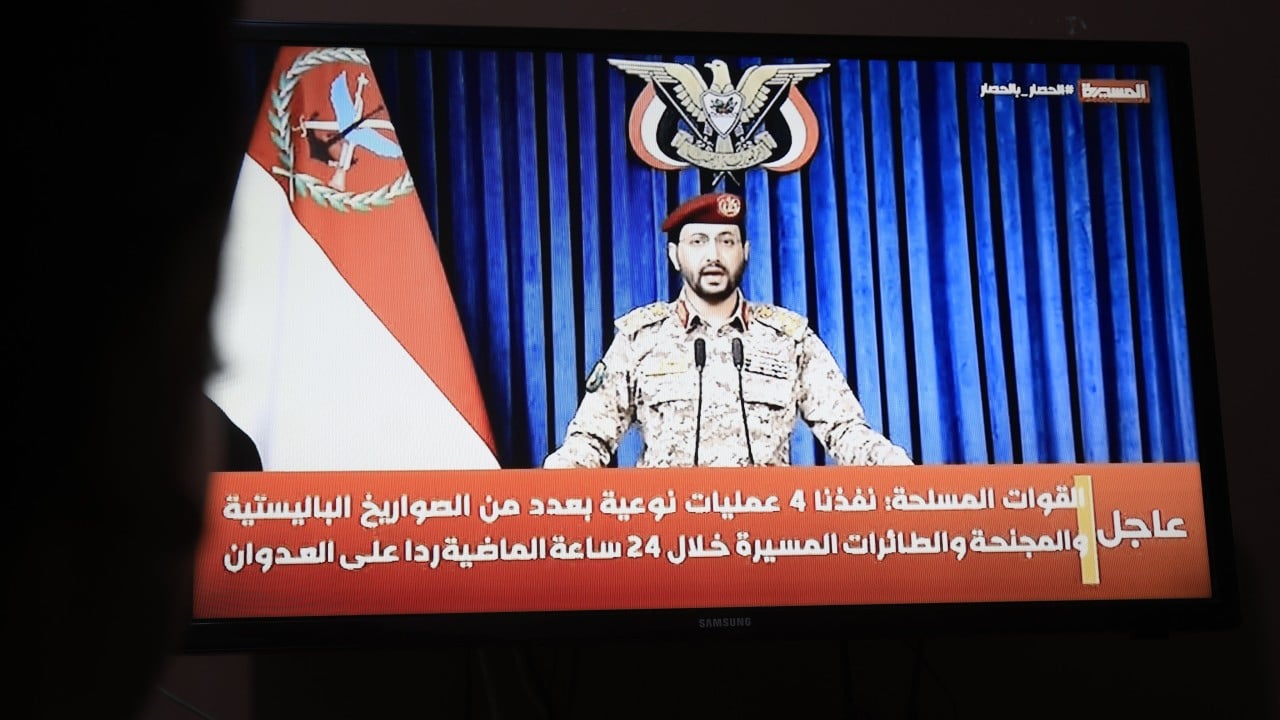
The reality on the ground in Riyadh shifted violently when King Khalid International Airport took direct hits. For years, Saudi infrastructure sat comfortably behind layers of defense, but a brutal series of strikes shattered that illusion. When a missile slammed into the terminal, killing at least 12 people and injuring more than 300 others, it wasn't just a localized tragedy. It marked a terrifying escalation in a regional conflict that many hoped was winding down.
And then, just 24 hours later, the air raid sirens wailed again. Building on this idea, you can find more in: The Geometry of Attrition Assessing Operational Scaling in Coalition Air Campaigns.
Inside the Chaos at King Khalid International
Witnesses described scenes of absolute panic. Passengers waiting to board flights suddenly found themselves dodging flying glass and carrying the wounded away from blood-slicked terminal floors. The strike on Saturday was billed as the deadliest single attack on a Gulf Arab nation since regional tensions flared anew, catching civil aviation authorities completely off guard.
When a fresh strike hit the very next day, killing another person and injuring 11 more, the message from the Houthi movement was loud and clear. They aren't backing down. Observers at The Washington Post have shared their thoughts on this trend.
International response was swift. Major global carriers scrambled to reroute planes, while embassies from the United States, Germany, Canada, and the United Kingdom issued urgent warnings telling citizens to steer clear of Riyadh's main aviation hub. Schools in the capital shifted abruptly to remote learning for a week as a safety precaution.
Why the Houthi Strategy Has Shifted
To understand why civilian airports are suddenly turning into front-line battlegrounds, you have to look at what triggered this latest cycle of violence. The uneasy truce that kept things relatively quiet for months completely unravelled. Forces backed by the Saudi-led coalition launched a major military push to recapture strategic terrain near the Bab al-Mandab strait, a critical maritime chokepoint.
Stung by those ground offensives, the Houthi leadership decided to take the fight directly to the Saudi heartland. By targeting high-visibility commercial hubs like Riyadh and Dammam, the group aims to inflict maximum economic and psychological damage. They want international business confidence in Saudi Arabia to crack. They want foreign investors to second-guess the kingdom's stability.
Military analysts point out that this is a high-stakes gamble. Pushing a regional economic titan like Saudi Arabia this hard usually backfires. Instead of forcing Riyadh to back away from the negotiating table or halt its military campaigns, these attacks harden political resolve. The Saudi government views these strikes as acts of cross-border terrorism that demand an immediate, crushing response.
The Broader Regional Ripple Effects
This isn't just a bilateral conflict between Riyadh and Sanaa anymore. The shockwaves are reverberating through global energy markets and international diplomacy.
Whenever missiles fly near major Saudi transport and oil infrastructure, energy traders panic. The threat to commercial shipping lanes and aviation networks forces a reassessment of supply chain vulnerabilities across the entire Middle East.
Meanwhile, diplomatic channels are spinning out of control. Iranian officials have tried to position themselves as mediators, holding hurried talks with Saudi counterparts, yet the regional proxy network Tehran backs continues to fire ballistic missiles and deploy drones. Western capitals are watching closely, weighing whether deeper military intervention or stricter enforcement is required to protect international transit corridors.
For ordinary travelers, expatriates, and residents living in the Gulf, the sense of invulnerability is gone. Air travel across the region now comes with a heavy dose of anxiety, and security protocols at every major airport are being rewritten overnight. The conflict has moved from distant border skirmishes right into the terminal waiting lounges, changing the security calculus for the entire region for the foreseeable future.


