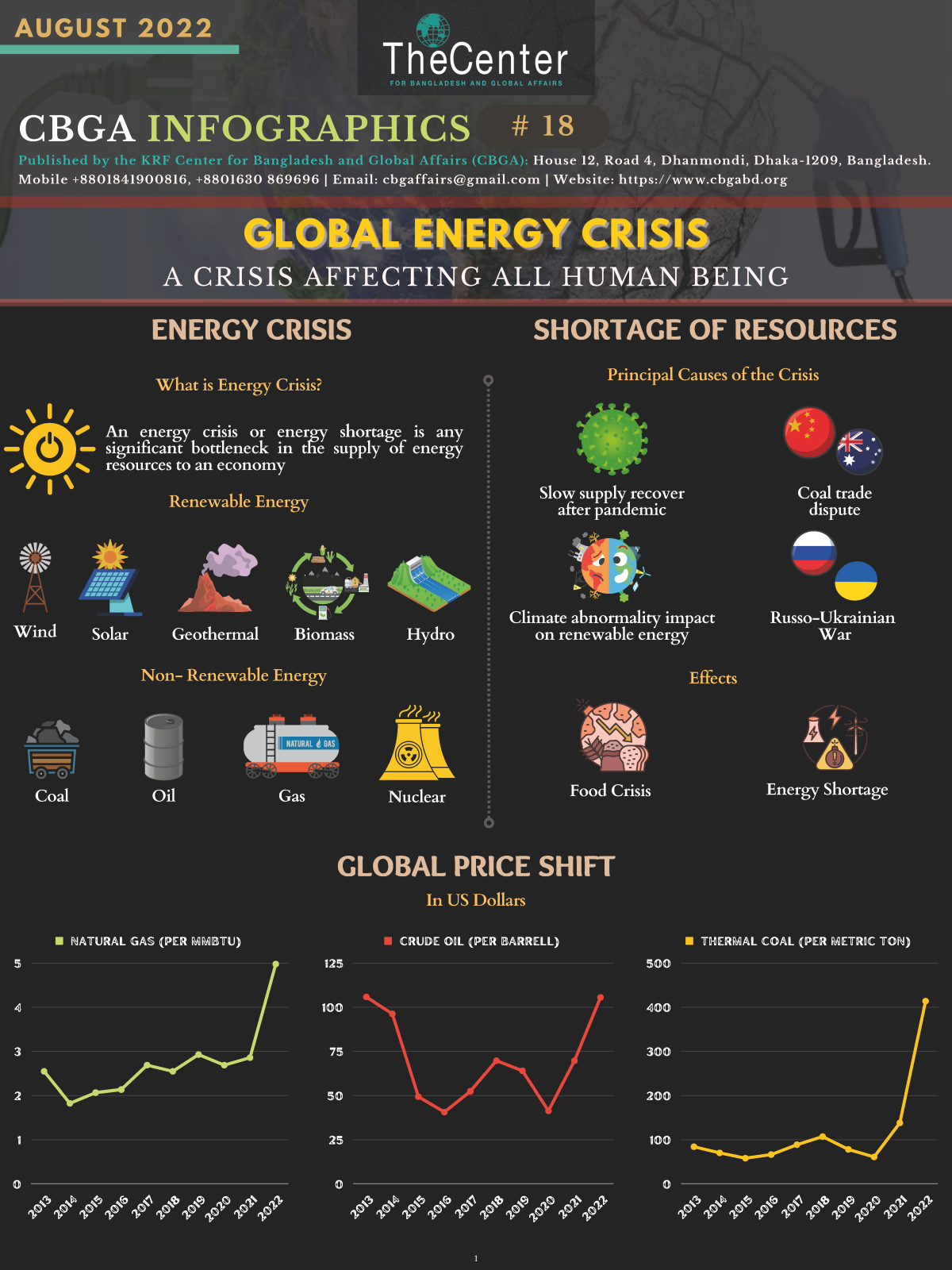
The headlines are screaming about a global energy apocalypse triggered by West Asia. Governments are dusting off 1970s-style playbooks, "enforcing curbs," and begging citizens to turn down their thermostats. It is a performance. It is a convenient fiction designed to mask a decade of systemic incompetence.
We are told we have an energy supply problem. We don’t. We have a storage, distribution, and political courage problem. The "global energy crisis" isn't an inevitable byproduct of kinetic warfare in the Middle East; it is the logical conclusion of a West that outsourced its baseline power to hostile actors while hallucinating that intermittent renewables could carry the industrial load without a massive, multi-trillion-dollar upgrade to the grid.
Stop looking at the tankers in the Strait of Hormuz. Start looking at the regulatory strangulation of nuclear power and the pathetic state of high-voltage DC transmission.
The Myth of the Vulnerable Supply Chain
The "lazy consensus" suggests that when a specific geography goes dark or descends into conflict, the world must naturally freeze. This assumes the energy market is a fragile glass ornament. In reality, the energy market is a fluid, adaptive organism—or it would be, if we stopped clogging its arteries with reactionary legislation.
I’ve sat in rooms where policy "experts" unironically suggested that the solution to a price spike in natural gas is to ban the export of domestic surplus. This is the economic equivalent of trying to cure a fever by breaking the thermometer. When you enforce curbs, you kill the price signal. When you kill the price signal, you kill the incentive to produce.
The West Asia conflict is a catalyst, not the cause. The cause is a decade of underinvestment in "boring" infrastructure. We spent years subsidizing the flashy stuff—the solar panels on residential roofs—while ignoring the fact that our transformer fleets are aging past their 40-year lifespans. We are trying to run a 21st-century digital economy on a 20-century analog skeleton.
Why "Energy Curbs" Are a Form of Economic Malpractice
When a government tells you to "limit consumption," they are admitting they have failed at their primary job: securing the foundation of civilization. Energy is not a luxury. It is the master resource. Every other good or service is just "transformed energy."
- The Productivity Tax: Every hour a factory stays dark to "save the grid" is a permanent loss of GDP. You don’t get those hours back.
- The Poverty Trap: Curbs always hit the bottom 20% hardest. High-income households buy Powerwalls; low-income households choose between heating and protein.
- The Innovation Killer: AI, biotech, and advanced manufacturing are energy-hungry. You cannot lead the next industrial revolution on a "curbed" diet.
We are currently witnessing a global race to the bottom where nations compete to see who can de-industrialize the fastest in the name of "stability." It is a hallucination. True stability comes from energy redundancy, not energy restriction.
The Nuclear Taboo and the Baseload Lie
If you want to talk about the "global energy crisis," you have to talk about the carbon-free elephant in the room. The same people panicking about West Asian oil are often the ones who cheered for the premature decommissioning of nuclear plants in Germany and the US.
The physics of a modern power grid requires a stable, spinning mass—baseload power that doesn't care if the wind is blowing or if a drone hit a refinery 4,000 miles away.
$$P_{grid} = P_{generation} - P_{loss}$$
When $P_{generation}$ becomes volatile because of geopolitical shocks or weather patterns, and you have no massive-scale storage ($P_{storage}$), the system crashes. Relying on "curbs" to balance this equation is a confession of technical bankruptcy.
I’ve seen utilities spend $500 million on "demand response" programs—basically paying people to turn off their AC—when that same capital could have gone toward life-extension for a nuclear reactor that provides 24/7 power for 60 years. We are choosing the expensive, fragile path because it feels more "virtuous" to sacrifice than to build.
The False Prophet of "Sovereignty"
The current trend toward energy protectionism is a trap. Governments think they can insulate themselves by cutting ties with the global market. This is the "Energy Sovereignty" scam. No nation is an island in the energy world. Even if you produce every drop of oil you use, the price is still set by the global marginal barrel.
The real way to win is through Energy Optionality.
Optionality means having a grid so diverse and a supply chain so robust that a blockade in the Middle East is a minor line item on a spreadsheet, not a national emergency. This requires:
- Modular Nuclear Reactors (SMRs): Distributed, high-density power that doesn't require a national-scale disaster plan.
- Long-Duration Energy Storage (LDES): Moving beyond lithium-ion to iron-air or pumped hydro that can store weeks of power, not hours.
- Deregulated Transmission: Allowing private capital to build lines across state and national borders without 15 years of NEPA-style litigation.
Stop Asking "How Do We Save Energy?"
The premise of the question is flawed. "Saving" energy is a defensive, shrinking mindset. It leads to stagnant wages, cold homes, and a loss of global standing.
The question we should be asking is: "How do we make energy so abundant that its cost approaches zero?"
In an age of fusion research, advanced fission, and 10-kilometer-deep geothermal drilling, the idea that we are "running out" or "at the mercy" of any single region is absurd. We are at the mercy of our own regulatory thickets and our obsession with the "scarcity" narrative.
Every time a politician tells you to "do your part" by using less, they are distracting you from the fact that they’ve made it illegal or impossible to build more. They are managing the decline.
If you want to solve the energy crisis, stop worrying about the "curbs." Start demanding the concrete, the steel, and the split atoms that make those curbs unnecessary. The crisis isn't in the oil fields; it's in the halls of government where they've forgotten that a civilization's greatness is directly proportional to its energy consumption.
Build more. Everything else is just noise.
Would you like me to break down the specific cost-per-megawatt-hour comparisons between extending existing nuclear life and building out the equivalent "curb" infrastructure?