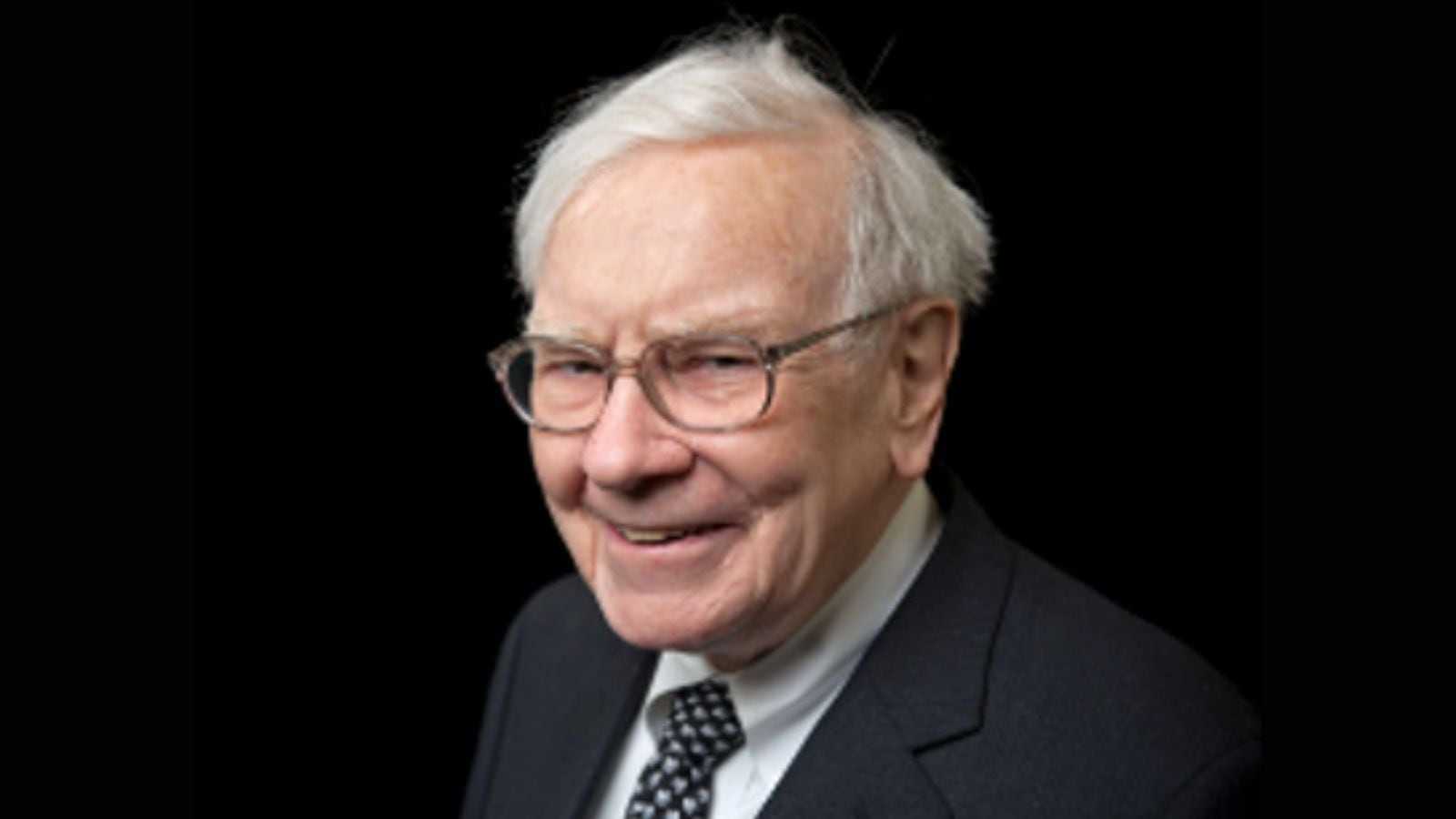
Warren Buffett has officially stepped down as chairman of Berkshire Hathaway, transitioning into the role of chairman emeritus. Greg Abel, his handpicked successor, now holds the reins of the massive conglomerate. For decades, the Oracle of Omaha served as the anchor of American capitalism. His departure marks the definitive close of a singular chapter in corporate history.
Market watchers have debated the succession plan for years. The transition has been meticulously engineered, yet anxiety persists among long-term shareholders. Buffett built Berkshire through decades of disciplined value investing, opportunistic acquisitions, and unshakeable public trust. Abel inherits a balance sheet sitting on mountains of cash, but also a sprawling empire that is increasingly difficult to steer with the same nimble agility that defined Buffett's early decades.
The conglomerate model itself faces modern skepticism. Wall Street increasingly rewards specialized focus and high-margin tech models over diversified holding companies operating everything from freight rail to insurance and retail. Berkshire's sheer size works against it. Finding acquisition targets large enough to meaningfully move the needle on a multi-hundred-billion-dollar enterprise is an ongoing hurdle. Abel cannot simply buy a mid-sized regional business and expect it to transform annual returns.
Buffett's personal brand was an intangible asset of incalculable value. Retail investors bought shares because they trusted his folksy wisdom, annual shareholder letters, and steady presence during financial panics. Abel lacks that decades-long reservoir of public affection. He is an operator, not a folk hero. Berkshire's culture of decentralized management will protect its operating subsidiaries, but the holding company's public identity must evolve.
The capital allocation strategy under Abel will face immediate scrutiny. Berkshire's massive cash hoard has grown because management struggled to find reasonably priced equities in a frothy market. Shareholders will demand clarity on whether Abel intends to maintain this defensive posture or accelerate stock buybacks and strategic takeovers.
The transition also forces a reckoning over Berkshire's sprawling portfolio of public equities. While Apple remains a massive anchor position, future portfolio adjustments will bear Abel's signature alongside investment managers Todd Combs and Ted Weschler. The era of a single legendary patriarch making instantaneous, intuition-driven multi-billion-dollar bets is over. Committee-driven institutional management is taking its place.
Berkshire Hathaway will endure. Its underlying businesses generate staggering amounts of operating earnings week in and week out. The insurance float provides a permanent cushion of capital that few corporations can replicate. Yet, the emotional discount or premium attached to the stock will shift. Without Warren Buffett at the helm, Berkshire becomes just another extraordinarily well-run American corporation rather than a living monument to financial history.
The real test of Abel's tenure will not arrive during calm economic waters. It will emerge during the next severe market dislocation or liquidity crisis, when panic grips Wall Street and swift, decisive capital deployment is required. Buffett's legend was forged in those exact crucibles. Abel now stands alone on the floor of the CenturyLink Center, facing an audience of tens of thousands of faithful shareholders, knowing the hardest part of the job is simply maintaining what came before.