The metallic clatter of a heavy steel door rolling shut at nine o'clock at night carries a very specific kind of finality. It is the sound of a promise broken, not out of malice, but out of sheer, bone-crushing emptiness.
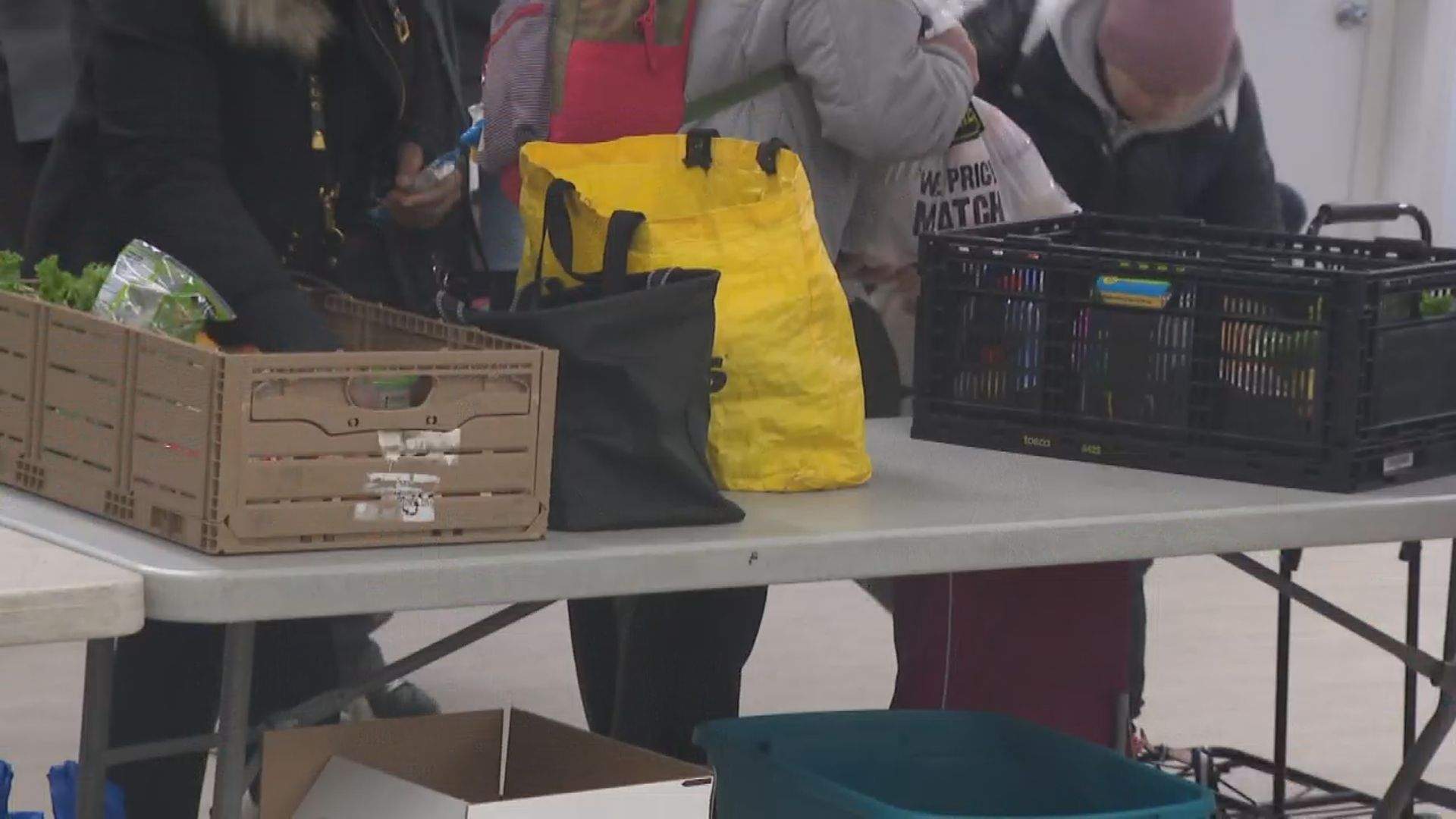
Inside a brightly lit community center basement on the edge of a mid-sized city, the volunteer coordinator stands staring at a row of empty cardboard boxes. Outside, leaning against the cold brick wall in the damp autumn air, a line of twenty people waits. They have walked here in the dark. They have calculated the bus fare versus the cost of a gallon of milk. They have swallowed their pride, zipped their coats tight against the wind, and arrived with empty bags and hollow stomachs.
The door stays down.
Across the country, this scene is repeating itself with the terrifying rhythm of a metronome. According to recent surveys tracking food banks and emergency shelters, one in three organizations is now forced to turn people away simply because the pantry shelves have bottomed out and the physical space has vanished.
Consider a hypothetical volunteer named Elena, who has spent every Tuesday night for six years handing out brown paper bags filled with cans of soup, rice, and fresh produce at a neighborhood church. Elena knows the regulars by name. She knows that Arthur is a retired machinist whose fixed pension evaporated under the weight of utility hikes, and that Maya is a nursing assistant working two jobs who still cannot bridge the gap between her paycheck and the cost of infant formula.
Last Tuesday, Elena ran out of food forty minutes before the end of the shift.
She had to walk outside, look Arthur and Maya in the eye, and explain that there was nothing left. Not a bag of dried beans. Not a single can of diced tomatoes. Just empty folding tables and fluorescent lights buzzing overhead.
The statistics tell us that demand has surged to historic highs. But statistics are cold, sanitized armor. They allow us to distance ourselves from the reality of what happens when a safety net frays so thin that it dissolves entirely.
To understand why this is happening, we have to look past the immediate headlines of inflation and housing crises and examine the architecture of modern survival. For decades, food banks operated as the emergency valve of society—a temporary stopgap meant to catch people during acute personal crises like a sudden job loss or a medical emergency. They were never engineered to become structural pillars of daily nutrition for a massive percentage of the working population.
Yet that is precisely what has occurred.
When rent consumes seventy percent of a low-income family's monthly earnings, food becomes the flexible variable in the budget. It is the only bill you can negotiate by eating less. You skip breakfast so your teenager has lunch money. You dilute the milk. You stretch a box of pasta with tap water and salt for three consecutive nights. By the time someone finally walks through the door of a local shelter, they are already operating at a profound deficit.
And the organizations trying to catch them are running on fumes.
Donations from major grocery chains and agricultural surplus programs have tightened significantly. Supply chain shifts, corporate waste reduction initiatives, and rising transportation costs mean that the volume of surplus food flowing into local pantries has plummeted. At the exact moment when the line outside the door is growing longer, the conveyor belt feeding the warehouse is slowing to a crawl.
The psychological toll on the frontline workers and volunteers is rarely measured in the quarterly reports. Imagine waking up every day knowing that your primary function in society is to act as the bearer of bad news. Volunteers are burning out at unprecedented rates. They are dipping into their own grocery budgets to buy cans of tuna and bags of flour, knowing full well it is a drop of water in an ocean of need.
We have built a system where the people who labor to keep society functioning—the home health aides, the fast-food cashiers, the warehouse pickers, the agricultural hands—cannot afford the very calories required to sustain their labor.
There is an invisible math to poverty that defies simple arithmetic. When a food bank turns away one person, the failure cascades. That person misses a meal, which impairs concentration at work, which risks an error on the job, which threatens employment, which deepens the housing crisis. Hunger is not merely an isolated sensation of an empty stomach. It is an engine of systemic unraveling.
We look away because the alternative requires confronting uncomfortable truths about wealth distribution, wage stagnation, and the fragility of our social infrastructure. It is easier to view a food bank line as a localized anomaly than as a symptom of a broader economic fracture.
The steel door rolls down. The lights in the basement click off.
Down the block, a streetlamp flickers against the darkening sky, casting long, lonely shadows across the pavement where the line had stood just moments before, waiting for something that never arrived.