Hunger does not announce itself with a loud roar. It is quiet. It settles behind the ribs like cold lead, heavy and dull. It makes a child shrink into themselves, pulling their jacket tight against a chill that has nothing to do with the weather outside and everything to do with a pantry that has been bare since Tuesday.
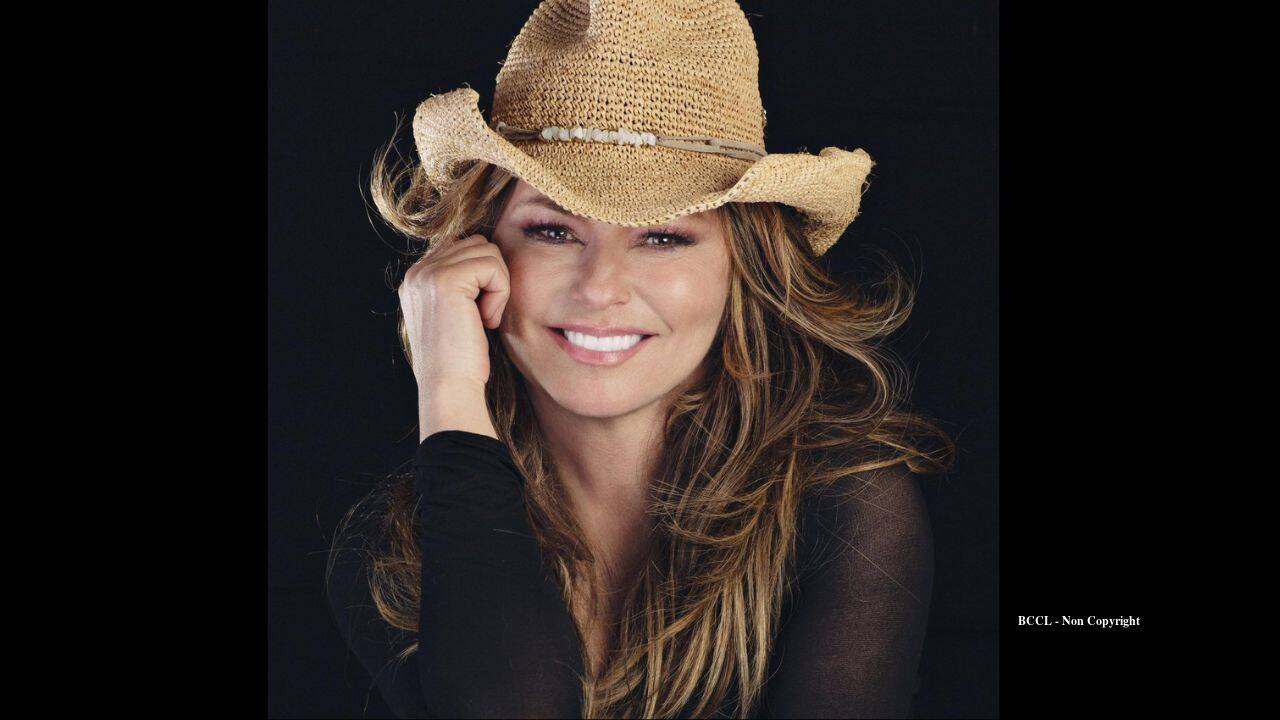
Before she was a global superstar filling stadiums with glitter and high-voltage country anthems, Shania Twain knew that cold. She grew up in Timmins, Ontario, where winters bit deep and the grocery money was always a math problem that never quite added up. There were days when going to school meant facing a profound, gnawing emptiness in the stomach, long before the first bell ever rang. When you are a child navigating poverty, school is supposed to be an escape. But when your body is running on empty, the alphabet blurs, numbers lose their meaning, and the only thing your brain can process is the steady, ticking clock counting down to a lunchbox you know you do not have.
Most people look at childhood poverty as an abstract statistic on a government spreadsheet. We see the percentages rise and fall in the news, shake our heads, and turn the page. But statistics do not capture the humiliation of sitting at a desk while your stomach growls loud enough for the kid next to you to hear. They do not measure the way a hungry child learns to make themselves invisible so no one asks why they never have a snack.
Shania never forgot that feeling. And more importantly, she refused to let it be just a hard chapter in a memoir she closed behind her.
Through her organization, Shania Kids Can, she began returning to the scene of her own childhood struggles—not with pity, but with a practical, unyielding lifeline. Operating within public schools, the charity establishes dedicated spaces where vulnerable children can find consistency, support, and most crucially, regular meals. These are not merely cafeterias handing out handouts. They are safe havens designed to restore dignity.
Consider what happens to a child's mind when the baseline panic of survival is lifted, even for a few hours.
When you remove the distraction of hunger, cognitive function shifts. The energy previously required just to keep the body running on empty can finally be redirected toward learning, playing, and simply being a kid. Teachers often report an immediate transformation: attendance rises, behavioral issues soften, and test scores begin to climb not because the kids suddenly got smarter, but because they were finally given the biological fuel required to think.
It is easy to romanticize hardship, to believe the tired myth that suffering builds character. It does not. Suffering breaks. It exhausts. It creates invisible walls between children who belong to the breakfast-club families and those who do not.
By embedding support systems directly inside the school ecosystem, programs like this bridge that gap invisibly. A child does not have to stand in a separate line or wear a badge of need. They simply walk into a room where adults care enough to make sure the pantry is stocked, the homework is understood, and the emotional weight of the world is shared.
Real change does not happen because of a catchy slogan or a massive corporate press release. It happens in the quiet, unglamorous work of chopping vegetables, listening to a kid talk about a bad day, and making sure nobody has to face the afternoon with a hollow chest.
Shania Twain took the worst moments of her early life and built a bridge across them, ensuring that the empty chair at the back of the classroom doesn't have to stay empty, and the child sitting in it finally has a reason to look forward to tomorrow.