Darkness. A flickering streetlamp overhead casting long, distorted shadows across the asphalt. A phone clutched in a trembling palm.
Panic has a distinct sound. It is breath rushing through clenched teeth. It is words tripping over themselves, vowels stretching into screams, sentences fracturing into useless shards of information. For more than a century, emergency dispatch systems have relied entirely on this fragile acoustic bridge. A disembodied voice in a dark room trying to paint a picture for another disembodied voice miles away in a brightly lit command center.
Translate. Interpret. Guess. Act.
Every single emergency call is a game of high-stakes telephone played under conditions of absolute terror. A caller gasps that someone is hurt, but cannot describe the street corner. A caller whispers that smoke is filling the hallway, but cannot specify which door blocks the exit. Precious seconds bleed away into the void, consumed entirely by the laborious translation of fear into verbal coordinates. The system works, wonderfully and heroically so, yet it remains shackled to the limits of human speech during moments when speech is the hardest thing to muster.
That era is coming to a definitive close.
By 2028, the architecture of rescue in Hong Kong will undergo a fundamental mutation. Under directives outlined by Secretary for Security Chris Tang, the city's 999 emergency infrastructure is expanding into a medium that transcends mere voice. Callers will soon be able to beam real-time audio and high-definition video straight from the palm of their hand into the dispatch center.
Vision is arriving on the line.
To understand why this shift matters so profoundly, one must look past the sleek veneer of modern electronics and examine the messy reality of human crisis. Imagine standing on a crowded MTR platform during an unexpected medical emergency. A commuter collapses. Around them, chaos erupts. People shout conflicting instructions. Sirens wail in the distance, muffled by concrete and steel. If you dial 999 under those conditions, your voice competes with a cacophony of ambient noise. You are tasked with playing narrator, director, and primary witness while your heart hammers against your ribs at one hundred and sixty beats per minute.
Words fail. They always do when the adrenaline spikes.
Now, introduce a live data stream. With a single authorization tap on a smartphone screen, the emergency dispatcher is no longer listening to your terror; they are standing beside you in spirit. They see the exact angle of the fallen commuter's limb. They spot the automated external defibrillator cabinet mounted fifty feet down the corridor that you missed in your panic. They read the blinking warning light on a control panel that you did not know how to name. The communication bottleneck shatters.
The security minister's announcement did not emerge in a vacuum. It represents the culmination of a broader, multi-year modernization wave sweeping through the city's public safety apparatus. Hong Kong has been systematically upgrading its technological footprint, integrating drone depots, expanding the SmartView closed-circuit television network toward a projected sixty thousand cameras by 2028, and modernizing the digital nervous system that links the street to the state. Critics often look at such expansive infrastructure with wary eyes, questioning the balance between surveillance and civil liberty. Yet, when applied to the acute crucible of an emergency response, the moral calculus shifts. When your house is burning down, you do not care about the philosophy of the lens; you care about whether the fire engine knows which side of the building is engulfed.
Behind the polished glass of the emergency command center, the operational reality of this upgrade is monumental. Transforming a voice-first institution into a multimedia intake hub requires a complete overhaul of computer systems, network bandwidth, and human training protocols. Handling real-time video feeds from thousands of concurrent callers demands immense computational muscle.
Consider what happens during a citywide crisis, such as a severe typhoon or a major industrial accident. The phone lines light up like a switchboard in a thunderstorm. Thousands of people dial simultaneously, each demanding immediate attention. Under the upcoming system modifications, incoming data streams will not simply flood a static queue. The infrastructure is designed to categorize what people are reporting.
Priority reigns.
A life-threatening fire takes precedence over a minor dispute. A structural collapse bypasses a traffic altercation. By sorting multimedia inputs through intelligent triage layers, dispatchers can instantly route visual confirmation to the units best equipped to handle the specific nuance of the disaster. If a picture is worth a thousand words, a live video feed during an emergency is worth a fleet of rescue vehicles dispatched in the right direction the first time.
There are, of0 course, practical hurdles that must be cleared before the system goes live. Technical integration is rarely a straight line. Networks must remain stable under extreme atmospheric interference. Software must be fine-tuned to handle varying bandwidths across different mobile providers. Furthermore, the handling of sensitive video data raises critical questions regarding privacy and retention. Government systems are structured by default to retain operational footage for constrained windows, such as thirty days, aligning with strict legal frameworks and privacy codes. The challenge lies in ensuring that the tools designed to save lives do not inadvertently erode the baseline trust between the citizen and the state.
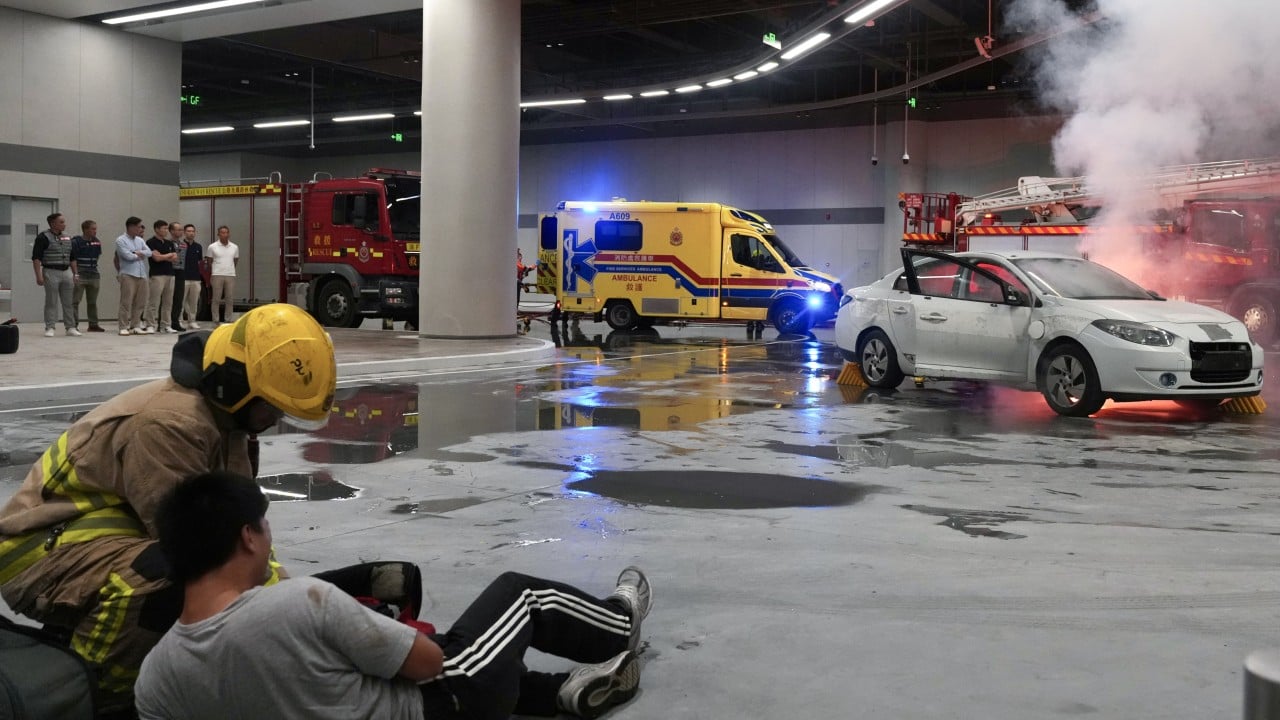
Security officials have emphasized that the facility upgrades have already begun weathering rigorous testing. Large-scale operational drills have been conducted, Wi-Fi systems reinforced, and infrastructure adjustments meticulously calibrated. Yet the true test will not occur in a simulated drill room with technicians watching monitors. It will happen on a rainy Tuesday night at two in the morning when a mother calls because her child has stopped breathing.
In that moment, she will not be thinking about database protocols, camera calibration schedules, or ministerial announcements. She will simply press a button.
The screen on her phone will illuminate. A dispatcher miles away will look through her camera lens, see the exact color of the child's lips, guide her hands through the precise rhythm of chest compressions, and murmur instructions with the calm authority of someone who is right there in the room.
We are moving away from the era of blind listening. We are entering a domain where help can finally see what we see. And in the fragile architecture of human survival, sight changes everything.
For a broader look at how security officials approach these infrastructural expansions and large-scale public safety drills, you can watch Chris Tang press briefing on public security operations. This video provides visual context on the extensive operational testing and logistical preparation underpinning Hong Kong's ongoing security modernization efforts.