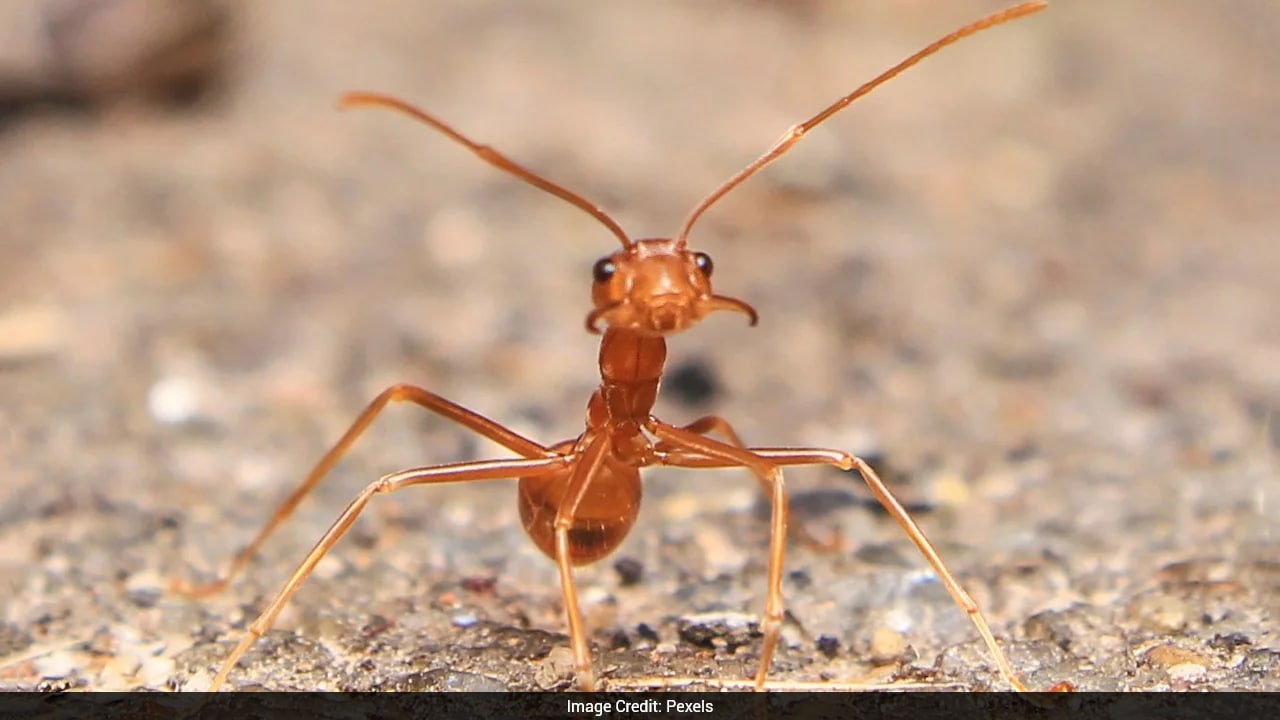
The physical extraction of 5,000 rare ants from a protected nature reserve in England exposes a structural failure in how conservation bodies price and defend biological assets. Standard wildlife crime reporting treats the removal of invertebrates as an isolated curiosity or a minor nuisance compared to the poaching of charismatic megafauna. That framing misunderstands the underlying market mechanics. A mature, polygyne or high-worker-count colony of a restricted-range ant species represents decades of concentrated biological capital that cannot be replicated in a commercial laboratory on a short timeline. When law enforcement opens an investigation into the theft of an entire nest, they are not investigating petty vandalism; they are investigating targeted resource extraction driven by asymmetric supply and demand in the global exotic pet trade.
The Valuation Mechanics of Myrmecological Assets
To understand why an offender risks criminal prosecution under the Wildlife and Countryside Act 1981 to excavate a single subterranean nest, one must examine the unit economics of live invertebrate commerce. In the legitimate myrmecology hobbyist market, colonies are typically propagated from single mated queens collected during natural nuptial flights. A founding queen produces her first generation of nanitic workers over several months, and reaching a population of 5,000 individuals under captive conditions requires three to five years of continuous temperature regulation, protein feeding, and low-mortality husbandry.
Poaching bypasses this multi-year biological production curve entirely. By excavating an established wild nest, the extractor acquires an instant, mature superorganism.
Three variables dictate the black-market valuation of a stolen ant colony:
- Species Scarcity and Legal Friction: Native British species with highly localized distributions—such as the narrow-headed ant (Formica exsecta), the black bog ant (Formica picea), or the red barbed ant (Formica rufibarbis)—carry high premiums because legal domestic supply is virtually nonexistent. Collectors in continental Europe and North America pay substantial sums for verified specimens from isolated UK populations due to perceived genetic distinctness and rarity.
- Colony Maturity and Reproductive Capacity: A colony of 5,000 workers is past the vulnerable founding stage. More importantly, many rare mound-building or heathland ants exhibit polygyny, meaning a single nest houses multiple functional queens. An extractor can split one 5,000-worker nest into ten separate starter colonies of 500 workers and one queen each, multiplying the retail yield tenfold within hours of the theft.
- Logistics and Concealment Efficiency: Unlike reptiles, birds, or mammals, ants require minimal volume and zero acoustic dampening during transit. Five thousand workers and their brood occupy less than two liters of substrate. They survive weeks without food if provided moisture, allowing poachers to ship them via standard postal networks disguised as soil samples, botanical specimens, or non-regulated feeder insects.
Spatial Vulnerability of Protected Habitats
Nature reserves in England operate under an open-access conservation model designed to maximize public engagement and ecological education. This operational philosophy creates an acute security vulnerability when applied to site-faithful, colonial invertebrates. Unlike mobile vertebrates that patrol shifting territories, ant colonies are sessile. Once a naturalist or a poacher identifies a nest mound or foraging trail, the asset remains fixed at those exact GPS coordinates year after year.
The physical geography of English heathlands, chalk grasslands, and ancient woodlands compounds this exposure. Sites managed by wildlife trusts or statutory agencies frequently publish detailed ecological surveys, species checklists, and habitat management maps to secure public funding and demonstrate conservation outcomes. While these documents rarely print exact grid references for critically endangered flora or nesting birds, the specific microhabitats required by rare ants—such as sun-exposed sandy banks or specific sphagnum bog margins—are narrow enough that an experienced field collector can locate target nests within hours of arriving at a reserve.
Surveillance ratios across rural English reserves make real-time interdiction nearly impossible. A single reserve warden often manages hundreds of hectares of fragmented terrain. Excavating a subterranean nest requires nothing more than a folding entrenching tool, a sealable plastic tub, and fifteen minutes of uninterrupted labor. By the time a patrol discovers the disturbed soil cavity, the biological asset has already cleared local road networks and entered the parcel distribution chain.
Ecological Cascading Effects of Colony Extraction
Removing 5,000 workers and their reproductive queens does not merely subtract one organism from a census; it severs a localized node of ecosystem engineering. Rare ants frequently act as keystone invertebrates within their specific microhabitats, regulating soil aeration, nutrient cycling, and trophic interactions across multiple levels.
The immediate biological consequences of a whole-nest extraction unfold across four distinct pathways:
- Trophic Disruption of Myrmecophiles: Mature ant nests host obligate commensals and social parasites—including specialized beetles, mites, silverfish, and the larvae of rare lycaenid butterflies—that cannot survive outside the chemical and thermal environment of the host colony. Excavating the nest destroys the entire dependent micro-community simultaneously.
- Loss of Soil Bioturbation: Mound-building and subterranean ants turn over significant volumes of mineral soil, altering drainage and pH levels in nutrient-poor heathlands. The abrupt cessation of nest maintenance allows aggressive grasses or scrub to encroach on the bare-ground microhabitats required by rare solitary wasps, spiders, and thermophilic reptiles.
- Seed Dispersal Collapse: Numerous woodland and grassland plants rely on myrmecochory, producing seeds with lipid-rich elaiosomes that ants carry underground. Removing the dominant foraging colony halts localized seed banking and germination for those plant species.
- Population Fragmentation: In the UK, rare ant species often exist as metapopulations—clusters of isolated colonies separated by unsuitable agricultural land. Eliminating a 5,000-worker colony removes a primary source of winged alates during the annual mating season, drastically reducing the genetic exchange needed to sustain neighboring satellite nests.
Law Enforcement Bottlenecks and Forensic Deficits
When police launch an investigation into the theft of protected invertebrates, they confront severe evidentiary and procedural hurdles. The Wildlife and Countryside Act 1981 provides statutory protection for specific scheduled species, making it an offense to intentionally kill, injure, take, possess, or sell them. However, enforcing these provisions requires overcoming three systemic bottlenecks.
First, taxonomic identification presents an immediate barrier for frontline officers and border control agents. Distinguishing a strictly protected Formica rufibarbis worker from a common, unregulated Formica fusca worker requires microscopic examination of bristle patterns on the thorax and head capsule. Without an embedded entomologist during cargo inspections, illicit shipments pass through customs unchallenged under generic labels.
Second, establishing provenance in a prosecution is notoriously difficult. If investigators raid a suspected dealer and discover 5,000 ants in captivity, the suspect will routinely claim the specimens were legally sourced from continental Europe, where the same species may be abundant and less strictly regulated. Proving that the seized insects originated from a specific English nature reserve requires population genetic analysis—comparing microsatellite DNA or mitochondrial haplotypes against reference samples from the plundered site. Few regional police forces possess the budget or forensic partnerships to commission population genomics for invertebrate cases.
Third, sentencing guidelines rarely reflect the ecological replacement cost of the crime. Courts routinely calculate penalties based on the estimated black-market retail price of the seized animals rather than the multi-year habitat restoration expense or the irreversible loss of genetic diversity within a national stronghold. When the financial penalty is smaller than the profit margin of two successful poaching runs, deterrence fails completely.
Operational Countermeasures for Reserve Managers
Conservation organizations cannot fence off thousands of hectares of public land, nor can they rely solely on reactive police investigations after a nest vanishes. Protecting high-value colonial invertebrates requires shifting from passive habitat management to active asset security.
Reserve managers must immediately audit all public-facing ecological data, stripping precise compartment maps and localized species sightings from public reports and citizen-science portals for any scheduled or commercially targeted invertebrates. Field teams should deploy covert, cellular-enabled trail cameras disguised within deadwood or terrain features overlooking high-density nest clusters, pairing motion triggers with automated license-plate recognition at rural trailhead parking areas. Simultaneously, conservation geneticists must collect and bank non-lethal tissue samples from surviving colonies across all major UK strongholds to build a baseline forensic DNA registry. Without a pre-existing genetic reference library to prove origin in court, law enforcement will remain unable to convert border seizures into criminal convictions.