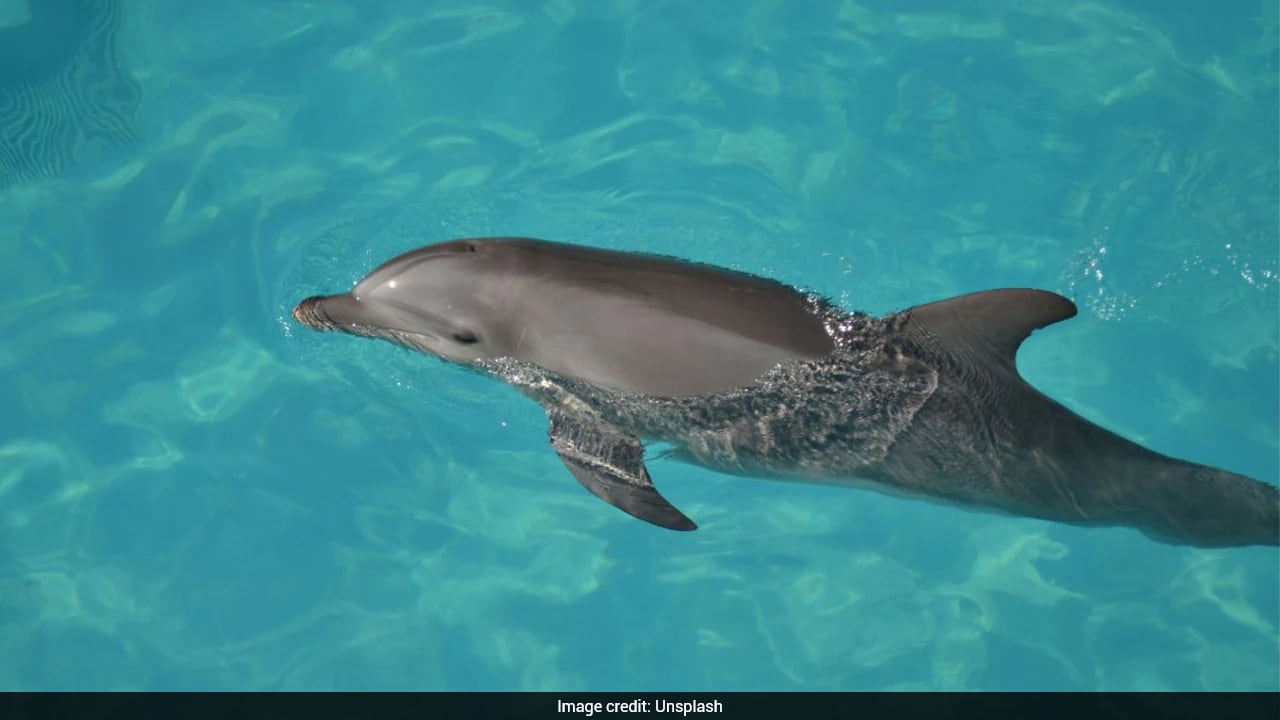
The conversion of hospitality infrastructure into zoological containment units creates an immediate misalignment between operational capacity and biological necessity. When a resort repurposed a guest swimming pool to house cetaceans, the resulting public backlash was not an isolated public relations incident; it was the predictable outcome of an asset allocation failure. The core conflict stems from a fundamental mismatch: corporate real estate is optimized for human leisure, whereas marine mammal husbandry requires highly specialized, dynamic aquatic environments. By attempting to bridge this gap without the requisite structural, biological, or regulatory architecture, hospitality operators expose themselves to severe reputational contagion and asset devaluation.
Understanding this operational failure requires analyzing the three structural pillars that govern captive marine wildlife assets: spatial volume dynamics, regulatory compliance arbitrage, and consumer sentiment elasticity.
The Spatial Volume Disconnect: Structural Limits of Guest Infrastructure
Standard hospitality pools are engineered around human dimensions and filtration cycles optimized for transient chlorination. Repurposing these assets for apex marine predators introduces a cascade of engineering and biological failures.
Volumetric and Depth Deficiencies
A standard resort pool rarely exceeds a depth of three meters, with a configuration designed for horizontal surface area rather than vertical water columns. Dolphins require verticality to regulate body temperature, exercise core muscle groups, and escape surface solar radiation. In shallow water columns, cetaceans experience increased ultraviolet exposure, leading to skin lesions and accelerated cataract formation. The restricted horizontal axis prevents the animals from achieving natural velocity, inducing muscular atrophy and stereotyped behaviors, such as repetitive circular swimming patterns.
Acoustic Resonances in Concrete Enclosures
Unlike natural marine environments or purpose-built acoustic-dampening facilities, standard guest pools feature flat, poured-concrete walls covered in non-porous tiles. Dolphins navigate and perceive their environment through echolocation. High-frequency acoustic clicks emitted by the animals reflect off these parallel, rigid surfaces with minimal attenuation. This creates a permanent acoustic feedback loop, exposing the animals to continuous sensory overload. The resulting chronic stress elevates cortisol levels, suppressing the immune system and increasing vulnerability to opportunistic bacterial infections.
The Cost Function of Repurposing vs. Purpose-Built Infrastructure
Hospitality groups frequently underestimate the ongoing operational expenditures required to maintain cetacean life support systems. The assumption that an existing water filtration network can be modified for wildlife oversight overlooks the fundamental differences in metabolic load.
Total Metabolic Load = (Biomass x Caloric Intake) + Waste Excretion Factor
A human guest introduces transient, predictable organic matter into a pool system. Conversely, a single bottlenose dolphin generates a continuous, high-volume biological load consisting of urea, feces, and sloughed skin.
- Filtration Turnover Rates: Standard commercial pools typically cycle their water volume every four to six hours. A viable cetacean habitat requires a turnover rate of 60 to 90 minutes, utilizing ozone disinfection alongside high-rate sand filters to eliminate pathogens without relying on high chlorine concentrations, which damage cetacean eyes and skin.
- Thermal Regulation: Guest pools are often heated or left to match ambient atmospheric temperatures. Marine mammals require precise thermal stability. Maintaining a consistent temperature range between 15°C and 22°C in a shallow, uninsulated concrete basin requires high-capacity industrial chillers, drastically inflating the property’s baseline energy expenditures.
The decision to retain animals in sub-optimal infrastructure represents a capital expenditure avoidance strategy that creates compounding operational liabilities over time.
Reputation Contagion and Consumer Sentiment Elasticity
The modern travel marketplace exhibits high elasticity regarding animal welfare metrics. While wildlife encounters historically served as high-margin revenue drivers for resorts, evolving consumer ethics have transformed these attractions into financial risks.
The Mechanism of Backlash Amplification
The transition from a localized operational issue to international reputational damage follows a predictable trajectory. Digital platforms allow real-time distribution of guest-generated visual evidence. When imagery of cetaceans in restrictive, visually identifiable resort pools is shared online, it bypasses traditional industry public relations channels. The velocity of this distribution triggers a rapid shift in public perception, moving from local reviews to coordinated digital boycotts.
This shift directly impacts the primary revenue levers of a resort property:
- Corporate and Event Group Cancellations: Large enterprise clients and conference organizers operate under strict Environmental, Social, and Governance (ESG) mandates. Association with a property facing animal welfare controversies introduces direct brand risk to these corporate clients, prompting immediate relocation of events to alternative venues.
- Channel Distribution Restrictions: Major global travel aggregators and booking platforms have systematically updated their internal policies to delist or deprioritize properties that offer captive marine mammal experiences. Removal from these primary distribution networks creates an immediate contraction in occupancy rates.
- Average Daily Rate (ADR) Compression: To offset declining occupancy driven by the controversy, affected properties are forced to reduce room rates. This discounting strategy degrades the brand’s positioning and attracts lower-yield demographics, eroding long-term profitability.
Risk Mitigation and Asset Decommissioning Frameworks
Properties currently holding marine mammal assets within legacy infrastructure face a narrowing window of strategic viability. Maintaining the status quo guarantees escalating reputational damage and regulatory scrutiny, while immediate liquidation can be complex due to legal restrictions on animal transfers. Managing this transition requires a structured decommissioning framework.
Phase 1: Stabilization (Dietary, Veterinary, Acoustic Isolation)
   │
   ▼
Phase 2: Transition Planning (Sanctuary Sourcing, Government Alignment)
   │
   ▼
Phase 3: Structural Rehabilitation (Conversion to Human Leisure/Wellness Assets)
Immediate Asset Stabilization
The first operational step requires decoupling the animal exhibition from the core guest experience. This involves closing the immediate viewing perimeters to the public, thereby reducing external acoustic and visual stressors on the animals. Concurrently, independent veterinary audits must be institutionalized to establish a baseline of animal health, independent of corporate financial objectives. Life support systems must be retrofitted with temporary auxiliary filtration and cooling units to stabilize water chemistry and temperature variables.
Strategic Relocation and Sanctuary Partnerships
Hospitality operators must recognize that cetacean assets cannot simply be sold or transferred to similar sub-optimal facilities without extending the reputational crisis. The viable exit strategy requires partnering with accredited marine sanctuaries or certified zoological institutions capable of providing expansive, natural sea-pen environments. This transition must be managed transparently, framing the relocation as a corporate pivot toward verified conservation standards. This repositioning helps mitigate historical brand damage by aligning with validated ecological practices.
Structural Rehabilitation of the Real Estate Asset
Following the successful relocation of the wildlife, the physical infrastructure must be reclaimed. Poured-concrete basins originally modified for animals can be structurally engineered back into high-yield guest amenities.
Converting these spaces into multi-tiered infinity pools, subterranean wellness thermal circuits, or high-density adult leisure zones yields a significantly higher revenue-per-square-meter metric than a controversial wildlife exhibit. These human-centric amenities carry negligible regulatory risk, lower insurance premiums, and require fractions of the operational lifecycle costs demanded by marine mammal life support networks. Operators capture sustainable margins by delivering premium human experiences rather than attempting to manage complex biological systems within artificial constraints.