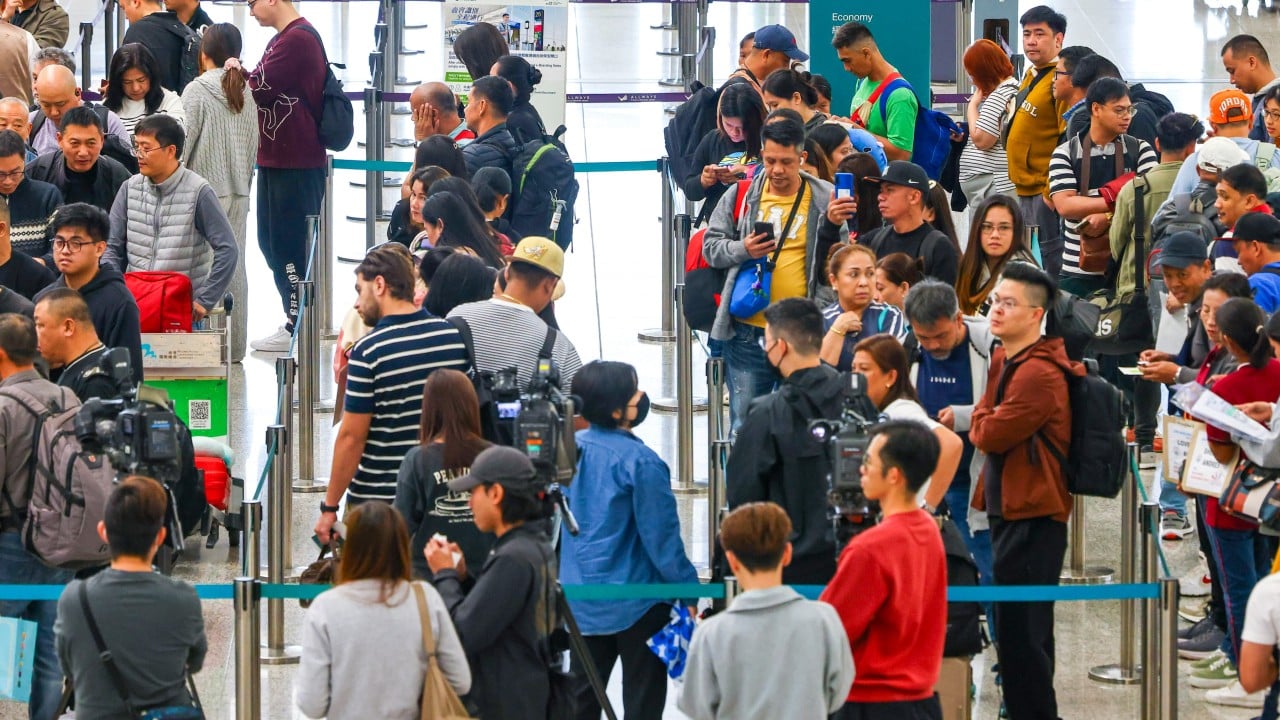
Dubai International Airport (DXB) is currently a bottleneck of global proportions. As of March 1, 2026, Emirates has been forced into a sweeping suspension of operations, grounding the majority of its fleet until at least 15:00 local time on Monday, March 2. For the thousands of British travelers currently sitting on terminal floors or refreshing apps in expensive hotel lobbies, the immediate concern is a flight home. But for the aviation industry, the crisis reveals a much deeper, more systemic vulnerability in the "super-connector" model that Dubai has pioneered for decades.
The official line from Emirates points to a cascade of regional airspace closures and significant "operational damage" at Terminal 3. While the carrier is offering rebookings within a 20-day window and full refunds, these administrative band-aids do little to soothe the chaos on the ground. This isn't just a weather delay or a technical glitch. It is a total systemic failure triggered by a geopolitical flashpoint that has effectively sliced the world’s most critical aviation corridor in half.
The Infrastructure of a Crisis
When Terminal 3 at DXB—a facility specifically designed to handle the massive throughput of the Airbus A380—takes a hit, the ripple effect is instantaneous. Reports of damage to the terminal and injuries to four individuals following an Iranian-led regional escalation have turned a logistical hub into a liability.
Aviation operates on a high-precision clock. When a hub like Dubai stops, the gears of global travel grind to a halt because there is no "Plan B" for 90 million passengers a year. The airport is built on the premise of perpetual flow. Once that flow is interrupted, the "transit trap" snaps shut. Travelers from London, Manchester, and Birmingham who used Dubai as a cheap, efficient bridge to Asia or Australia are now finding themselves in a gilded cage.
Why Recovery Takes Days Not Hours
The complexity of restarting a mega-hub cannot be overstated. It is not as simple as clearing a runway and signaling "all clear."
- Crew Displacement: Pilots and cabin crew have strict legal limits on "duty time." When flights are grounded, crews "time out" in hotels, and their replacement rotations are shattered across multiple continents.
- Airspace Rerouting: With massive swaths of the Middle East designated as "No-Fly Zones," every single flight plan must be manually recalculated to avoid conflict zones. This often requires carrying extra fuel, which in turn reduces the number of passengers or cargo a plane can carry.
- Terminal Congestion: Terminal 3 is currently over-capacity with stranded passengers. Bringing in new arrivals before the "backlog" is cleared creates a secondary safety crisis.
Emirates is currently prioritizing passengers who have been stuck the longest, but the math is brutal. If 500 flights are cancelled, and each subsequent flight is already 90% full, it takes weeks to clear the "seat deficit." This is why "confirmed when flights will resume" is a moving target.
The Myth of the Unstoppable Hub
For years, Dubai has marketed itself as the indestructible center of the world. After the 2024 floods—which saw 259mm of rain submerge the runways—the city-state launched the Dh30 billion "Tasreef" program. This massive 100-year drainage project was supposed to be the final word in resilience.
However, the current chaos proves that hardware is only half the battle. You can build 36 kilometers of deep-tunnel drainage to stop the water, but you cannot build a tunnel through a closed sky. The 2026 crisis isn't about rain; it’s about the inherent risk of centralizing global travel in a single, volatile geographic point.
For the British traveler "scrambling to flee," the lesson is one of risk management. The "Dubai model" of travel—where you trade a direct, expensive flight for a cheaper stopover in the Gulf—assumes that the hub is a neutral, stable entity. When that neutrality is compromised by regional kinetic action, the "cheap" flight becomes the most expensive mistake a traveler can make.
Navigating the Immediate Fallout
If you are currently caught in the DXB net, waiting for the 15:00 Monday window is a gamble. The airline is encouraging direct rebookings, but those with "hidden city" tickets or multi-airline itineraries are in a significantly worse position.
Standard travel insurance often contains "Force Majeure" or "Act of War" exclusions that can make claiming for hotel expenses a legal nightmare. Emirates’ offer to rebook within 20 days is a tacit admission that they do not expect a return to "business as usual" within the next 48 hours.
The scramble isn't just for a seat; it’s for information. In a city where "rumor-mongering" about infrastructure failures can lead to legal consequences under cybercrime laws, the flow of accurate, real-time data to passengers is often filtered through a corporate PR lens. This creates an information vacuum that is currently being filled by panic on social media.
The reality is that Dubai’s status as the world’s airport is currently on trial. The "resumption" isn't a single event—it’s a slow, painful recalibration of a system that was never designed to stop.
Check your flight status via the Emirates app before leaving your accommodation, as the terminal is currently a zone of maximum friction and minimum utility.