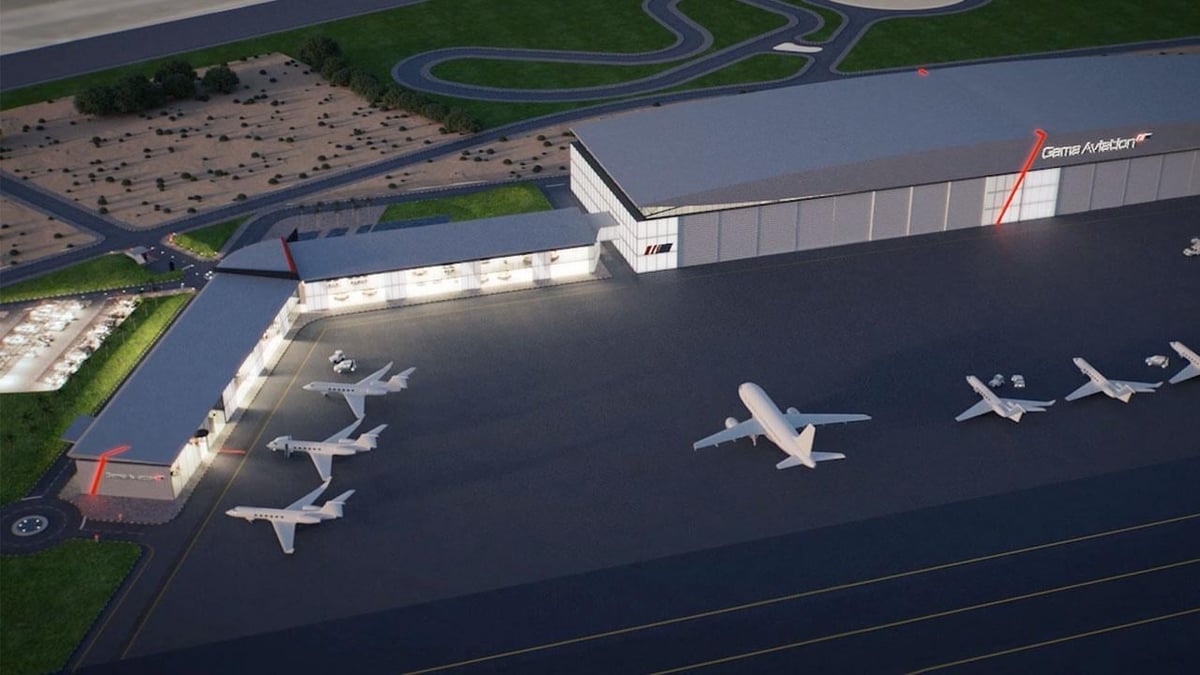
Dubai International (DXB) and Al Maktoum International (DWC) are currently operating on a restricted, high-alert basis. As of March 11, 2026, the hubs have transitioned from a total standstill to a phased reopening. While the runways are clear, the airspace surrounding them is a different story. If you are holding a ticket, the airport is "open," but the logistical machinery of global flight remains broken. Carriers are managing less than 40% of their scheduled capacity, and the backlog of stranded passengers now stretches into the hundreds of thousands.
The current chaos isn't just about a closure. It is about the complete reorganization of the world's most critical transit point under the shadow of the US-Israel-Iran conflict. For decades, the Gulf has banked on its geography as the ultimate bridge between East and West. That geography is now a liability.
The Mirage of Normalcy at DXB
Walking through Terminal 3 today provides a jarring contrast to the glossy marketing campaigns Emirates usually runs. The marble floors are still polished, but the flight boards are a sea of red. The "limited flights" mentioned in official bulletins are largely humanitarian, diplomatic, or high-priority repositioning missions.
Travelers expecting a standard layover are finding themselves caught in a bureaucratic trap. Because the conflict has effectively severed the direct corridors over the Strait of Hormuz and Iraqi airspace, every flight out of Dubai must take a massive detour. These "scenic routes" add three to five hours to a journey. For a flight to London or Frankfurt, that means burning extra tons of fuel that many airlines simply cannot afford—or cannot source—given the current pressure on regional supply chains.
The math for the industry is brutal. If an Airbus A380 has to fly an extra 1,500 miles to avoid a potential missile zone, the profit margin on every seat evaporates. This is why major carriers are canceling flights even when the airport says it is open. They aren't just worried about safety; they are looking at the balance sheet.
Why the Current Airspace Gridlock is Different
In previous regional flare-ups, the industry relied on a "wait and see" approach. The 2026 conflict has removed that luxury. The integration of sophisticated drone swarms and long-range ballistic capabilities across the region has turned the traditional "safe" altitudes into a gamble.
Insurance companies are the real gatekeepers of Dubai’s recovery.
Lloyd’s of London and other major underwriters have spiked premiums for "War Risk" coverage to levels not seen since the early 1990s. An airline might be willing to fly, but if their insurer refuses to cover the hull of a $400 million aircraft for the duration of its transit through the Gulf, the plane stays on the tarmac. This is the invisible wall that is keeping Dubai paralyzed.
- Diverted Routes: Flights are pushing south toward Oman and then looping around the Arabian Peninsula, creating a massive bottleneck in Saudi Arabian airspace.
- Fuel Constraints: The sudden demand for extra fuel on these longer routes is straining the hydrant systems at DXB, which were designed for efficient, direct departures.
- Crew Timing: Pilots are hitting their legal "duty time" limits halfway through these detoured flights, forcing unscheduled stops in places like Riyadh or Cairo.
The DWC Divergence
While DXB struggles with the sheer volume of frustrated passengers, Al Maktoum International (DWC) is being repurposed. Historically the "airport of the future" that never quite reached its full potential, DWC is now the primary staging ground for the military and logistics hardware moving through the region.
If you are a cargo operator, DWC is your only hope. But even here, the "open" status is deceptive. Priority is being given to sovereign wealth shipments and essential medical supplies. The average e-commerce or luxury goods shipment is sitting in a warehouse in Jebel Ali, waiting for a slot that might not open for another week.
The industry is watching DWC closely. It serves as a barometer for how much the UAE is willing to pivot its infrastructure toward security over commerce. For now, the answer is clear: the hub is being fortified.
The Stranded Passenger Crisis
There is a human cost to this logistical puzzle. The "hub and spoke" model, which made Emirates and Qatar Airways global giants, relies on timing. When the hub stops, the spokes collapse.
At present, there are an estimated 180,000 passengers stuck in the UAE or at feeder airports in India, Pakistan, and Southeast Asia. These aren't just tourists. They are laborers, business consultants, and families whose entire lives are routed through a 100-mile radius of the Burj Khalifa.
The airlines are offering vouchers. The hotels are full. The reality is that the "limited" schedule cannot possibly clear this backlog before the end of the month, assuming no further escalations occur. We are seeing a breakdown in the very concept of "frictionless" global travel.
Risk Assessment for Travelers
- Check the "Metal": If your flight is operated by a carrier that does not have its own sovereign insurance backing (unlike Emirates or Etihad), the risk of a last-minute cancellation is significantly higher.
- Visa Realities: For those stuck in transit, the UAE has relaxed some entry requirements, but the "on-arrival" systems are buckling under the weight of the demand.
- The Hub Trap: Avoid booking any connection through the Gulf until the insurance premiums for the region stabilize. A "cheap" flight through Dubai right now is a high-stakes bet.
A Structural Shift in Aviation
This isn't a temporary glitch. Even if a ceasefire were signed tomorrow, the trust in the "Mid-East Hub" has been shaken. Analysts are already seeing a shift in booking patterns toward "Great Circle" routes that bypass the region entirely. Flights from Singapore to New York or London to Tokyo are increasingly looking for paths over the poles or through revamped Central Asian corridors.
The veteran observers of the industry know that aviation thrives on predictability. Dubai was built on the promise that it would always be the reliable middleman. When the middleman is caught in the crossfire, the world starts looking for a new way around.
The reopening of DXB on March 10 and 11 is a symbolic victory for the UAE’s resilience, but it is not a return to the status quo. The "limited flights" are a trickle in a dry creek bed. Until the geopolitical temperature drops, the world's busiest international airport is operating as a high-security terminal rather than a global crossroads.
Wait for a confirmation of "War Risk" premium reductions before you book. If your travel is not mission-critical, the most strategic move is to stay on the ground and let the system attempt to purge the backlog.

/cdn.vox-cdn.com/uploads/chorus_asset/file/7896743/Screen_Shot_2017_01_30_at_12.25.24_PM.png)