The Grand Theater of Bluster
Every few months, the mainstream news cycle gets hijacked by the exact same headline: Donald Trump warns of catastrophic, unprecedented military action against Iran. The commentators panic. Pundits run to televised roundtables to debate the brink of World War III. Mainstream analysis treats these statements as literal blueprints for impending invasion.
They are completely misreading the playbook.
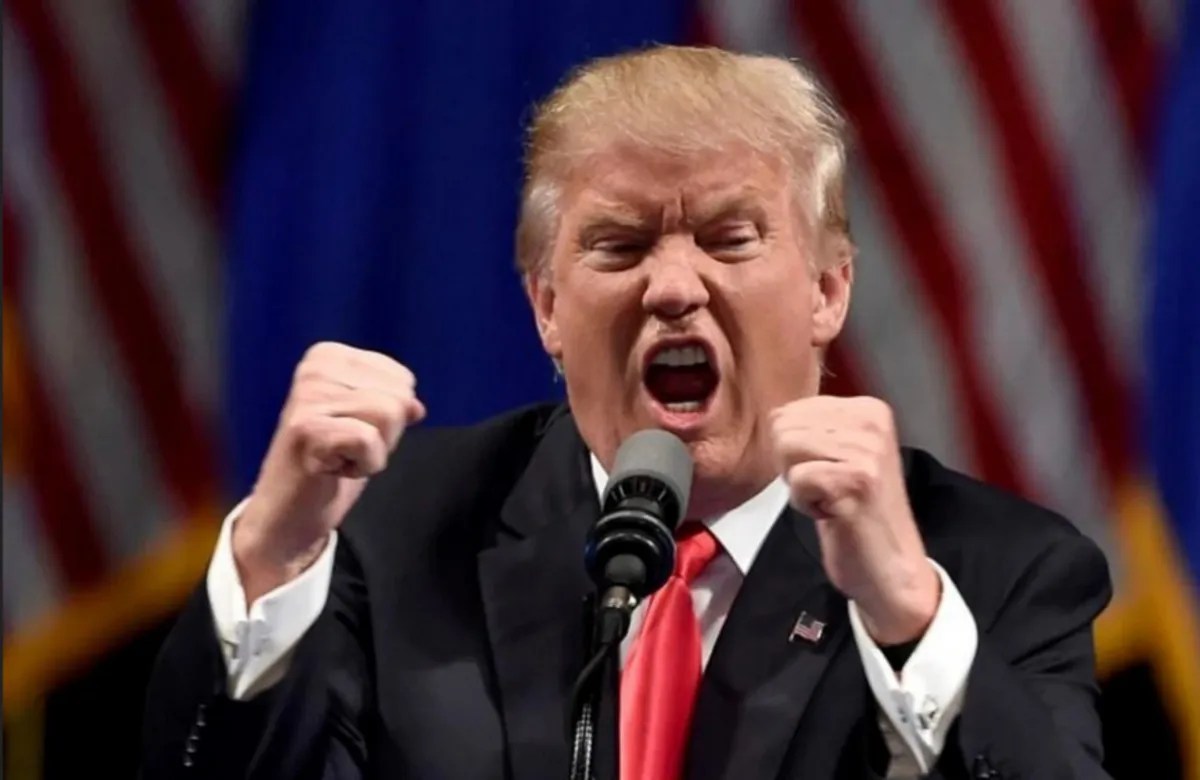
Headline-driven coverage treats geopolitical rhetoric as a reliable indicator of strategic intent. It isn't. When Trump threatens "the biggest attack ever" on Iranian infrastructure, he isn't broadcasting a tactical military strategy cooked up in the Situation Room. He is running a standard, high-leverage negotiation tactic designed for domestic consumption and maximum media cycle dominance.
I have spent years analyzing foreign policy messaging and market reactions to Middle Eastern conflict threats. Time and again, the mainstream press falls for the theater, confusing loud posturing with actual troop deployment.
The media paints a picture of imminent war because fear drives clicks. But if you look at the mechanics of real military engagement, aggressive press releases are usually the last thing a administration uses when preparing a genuine, coordinated strike.
Maximum Pressure Meets Maximum Noise
To understand why these threats rarely turn into full-scale war, you have to dissect the actual doctrine at play: transaction-focused brinkmanship.
The conventional analysis assumes a linear progression:
- Threat issued
- Escalation sequence begins
- Military action follows
In reality, the sequence operates on a completely different feedback loop:
- Issue an extreme, apocalyptic warning to establish absolute dominance in the news cycle.
- Force the adversary into a defensive posture where any lack of immediate military response looks like a tactical retreat.
- Use the artificial crisis to pressure international allies and trade partners into compliance on secondary issues.
- Walk away or claim victory without spending a dime on actual prolonged conflict.
[ Apocalyptic Threat Issued ] ➔ [ Media Frenzy & Market Spike ] ➔ [ Opponent Forced Defensive ] ➔ [ Quiet De-escalation ]
When mainstream outlets report that an attack is "being planned," they confuse basic contingency drafting with operational intent. The Pentagon maintains off-the-shelf targeting options for dozens of countries at all times. That isn't news; that is basic military logistics. Converting a theoretical target list into an active operational order requires specific logistics—carrier strike group repositioning, ammunition staging, and diplomatic clearance for airspace usage—that simply do not happen on the timeline of a social media post or an off-the-cuff rally speech.
The Economics of Loud Deterrence
Why choose loud threats over quiet diplomacy? Because loud threats are cheap.
A full-scale military intervention in the Persian Gulf would instantly destabilize global energy markets, sending crude oil prices surging well over $100 a barrel. For an political figure whose primary metric of domestic economic health is consumer sentiment and gas prices at the pump, triggering an energy shock right before an election cycle is economic self-sabotage.
The geopolitical paradox: The louder a leader screams about starting an intervention, the less willing they usually are to absorb the economic fallout of actually launching one.
Let's look at the real numbers that commentators ignore:
| Action Type | Direct Financial Cost | Market Impact | Strategic Risk |
|---|---|---|---|
| Public Threat Strategy | Zero dollars | Short-term oil spike | Low |
| Targeted Cyber/Proxy Action | Millions | Minimal / Contained | Moderate |
| Full Military Campaign | Billions daily | Global recession risk | Extremely High |
Calculated risk favors the top row every single time. It delivers 90% of the political deterrence value with zero percent of the direct military expenditure.
What Everyone Gets Wrong About Strategic Ambiguity
Pundits love to ask: "Is he serious this time?"
That is the wrong question entirely.
The efficacy of strategic ambiguity does not rely on whether the threat is real; it relies on the adversary being unable to risk proving it false. Tehran knows this game inside out. They respond with their own standard playbook: bold counter-threats, proxy maneuvers, and military drills designed for state television.
Both sides are performing for their respective domestic audiences. Neither side wants an all-out conventional war that would devastate both economies and destabilize the entire region indefinitely.
When you strip away the sensationalism, the strategy reveals itself. It isn't about launching bombers tomorrow morning. It is about locking the news cycle, keeping the opposition on their back foot, and projecting strength without taking on the crushing liabilities of actual warfare.
Stop reading the headlines as military scheduling. Start reading them as marketing.