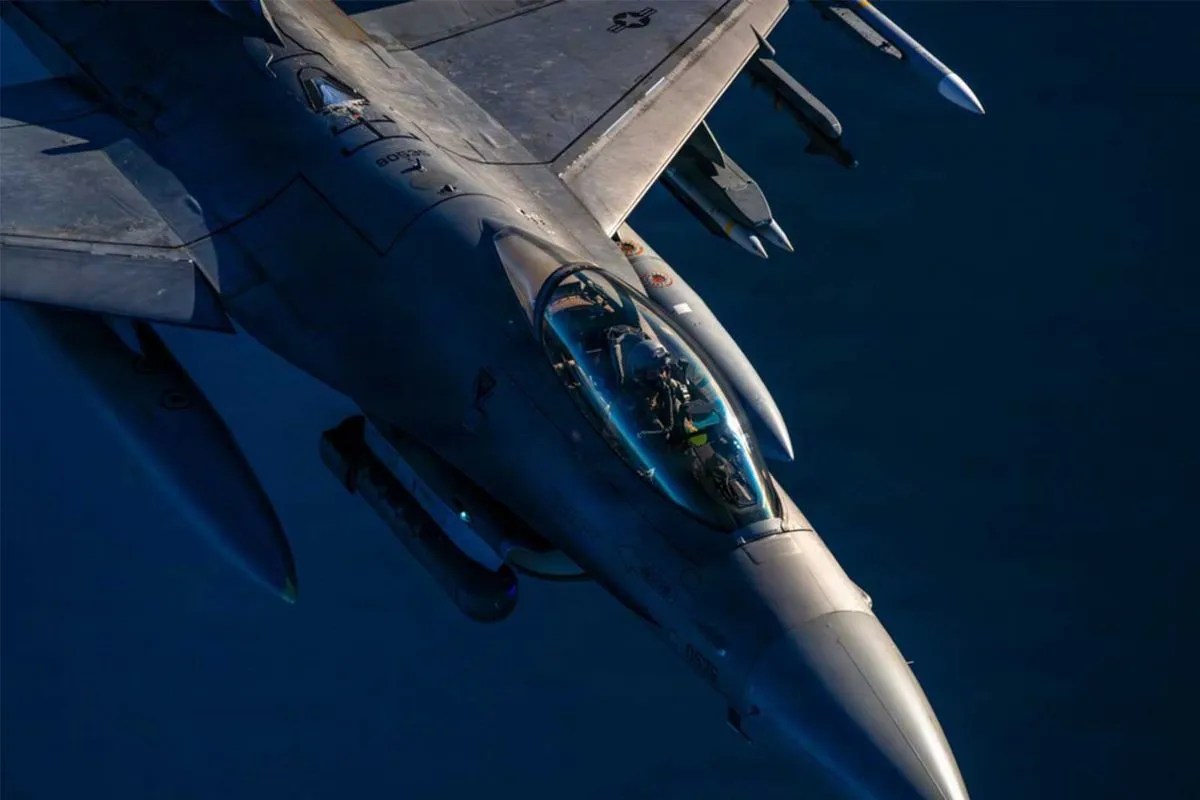
The Shift from Proportional Deterrence to Asymmetric Disproportion
Diplomatic deterrence operates on predictable exchange rates. For decades, international security frameworks relied on proportional retribution—the classic lex talionis principle of "an eye for an eye." When state actors engaged in gray-zone hostility across the Strait of Hormuz or the Bab-el-Mandeb, responding forces calculated retaliatory strikes to match the exact kinetic or economic weight of the initial offense.
That calculus has broken down. U.S. Secretary of State Marco Rubio’s explicit framing of U.S. policy toward Iran as "a head for an eye" signals a structural migration from proportional deterrence to asymmetric response. Rather than absorbing tactical disruption across vital maritime choke points, Washington is shifting toward systemic degradation of military-industrial assets.
[Symmetric Deterrence Model]
Hostile Kinetic Action (Value: X) ---> Proportional Retaliation (Value: X) ---> Stasis / Escalation Equilibrium

[Asymmetric Escalation Model]
Hostile Kinetic Action (Value: X) ---> Exponential Systemic Strike (Value: X * n) ---> Attrition of Core Capabilities
This structural pivot is not merely rhetorical posturing. It alters the cost function of maritime and regional conflict, removing the buffer of predictable escalation thresholds and enforcing severe military and economic trade-offs on Iranian strategic planners.
Strategic Anatomy of Maritime Choke Points
To analyze the friction points between Washington and Tehran, one must evaluate the structural vulnerabilities of the regional shipping lanes. The Strait of Hormuz and the Bab-el-Mandeb Strait function as key nodes in global trade, but their operational profiles differ substantially in geography, threat vectors, and economic risk.
The Strait of Hormuz Operations Framework
The Strait of Hormuz measures roughly 21 nautical miles wide at its narrowest channel, with shipping lanes divided into two two-mile-wide corridors separated by a two-mile buffer zone. This geographic bottleneck forces deep-draft crude carriers into predictable transit lines.
- Primary Threat Vector: Fast Inshore Attack Craft (FIAC), land-based anti-ship cruise missiles (ASCMs), and uncrewed aerial vehicles (UAVs).
- Economic Exposure: Approximately 20% of global petroleum liquids pass through this corridor daily.
- Cost Escalation Factor: A sustained threat in Hormuz immediately drives up War Risk Insurance premiums, driving tanker charter rates to unsustainable levels even without direct kinetic damage to shipping hulls.
The Bab-el-Mandeb Bottleneck
Connecting the Red Sea to the Gulf of Aden, the Bab-el-Mandeb is a 12-mile-wide straits complex split into two channels by Perim Island.
- Primary Threat Vector: Anti-ship ballistic missiles (ASBMs), explosive uncrewed surface vessels (USVs), and long-range attack drones deployed from non-state proxy sanctuaries.
- Economic Exposure: Controls access to the Suez Canal, dictating the routing for roughly 12% of total global maritime commerce.
- Cost Escalation Factor: Forces commercial vessels to re-route around the Cape of Good Hope, adding 10 to 14 transit days per voyage and inflating fuel burn costs by hundreds of thousands of dollars per journey.
The Economics of Degradation vs. Reconstruction
The operational model of "a head for an eye" shifts the target set from tactical frontline units to core industrial capacity. When retaliatory strikes systematically target radar systems, launch platforms, and manufacturing nodes, the financial and temporal costs to the target nation compound exponentially.
+--------------------------+------------------------------------+-------------------------------------+
| Asset Category           | Replacement Timeline               | Operational Impact of Loss          |
+--------------------------+------------------------------------+-------------------------------------+
| Early-Warning Radar      | 12 to 24 Months                    | Creates blind spots in air defense  |
| Anti-Ship Missile Array  | 6 to 18 Months                     | Reduces littoral saturation capability|
| FIAC / Naval Swarm Fleet | 1 to 3 Months                      | Lowers immediate tactical pressure  |
| Industrial Machine Tools | Indefinite (Under Sanctions)       | Halts domestic missile production   |
+--------------------------+------------------------------------+-------------------------------------+
Iran’s regional leverage historically depended on cost-effective deterrence: mass-producing relatively cheap drones, missiles, and naval mines to hold multi-billion-dollar western naval assets and global trade at risk. The asymmetric degradation strategy reverses this dynamic. By eliminating specialized components—such as long-range early warning radars and automated missile launchers—the U.S. forces Tehran to absorb financial losses that outstrip any localized tactical gains achieved along trade routes.
Escalation Dominance and the Flaw of Negotiation Cycles
Diplomatic engagements between hostile powers frequently fail due to misaligned expectations regarding negotiation timelines. A recurring friction point in U.S.-Iran policy centers on the mechanics of sanctions relief versus nuclear and ballistic missile program rollbacks.
[Phase 1: Friction] ---> Tactical Escalation / Maritime Interdiction
       |
       v
[Phase 2: Leverage Building] ---> Requests for Indirect Third-Party Mediation
       |
       v
[Phase 3: Agreement] ---> Terms Finalized under Pressure
       |
       v
[Phase 4: Instability] ---> Disagreements over Implementation / Demands for Revision
       |
       +-------------------> Return to Phase 1
The primary breakdown in this cycle occurs between tactical outreach and strategic commitment. When a state experiences heavy economic pressure, it uses diplomacy to secure short-term operational space. However, if the underlying military infrastructure remains intact, the state retains the incentive to renegotiate terms or resume gray-zone disruptions once pressure recedes.
The enforcement of asymmetric punishment alters this cycle by stripping away the underlying infrastructure before negotiations stabilize. When radar coverage and launch capabilities erode continuously every night, the negotiating leverage shifts permanently toward the party holding escalation dominance.
The Strategic Reality of Maritime Denial
Contesting freedom of navigation across the Strait of Hormuz or the Bab-el-Mandeb yields immediate global market reactions. Oil spot prices spike, maritime insurance underwriters alter policy terms, and global supply chains experience severe scheduling delays.
Yet, sea denial strategies carry inherent limits for the attacking nation:
- Self-Inflicted Economic Isolation: Disrupting energy corridors harms regional energy consumers, altering diplomatic relationships with critical trade partners.
- Resource Exhaustion: Sustaining a continuous blockade or threat environment depletes stockpiles of anti-ship missiles and launch platforms far faster than industrial bases can replace them under target interdiction regimes.
- Target Multiplication: Aggressive choke point disruption incentivizes naval coalitions to form, expanding the target environment and overwhelming localized air defense networks.
Strategic Playbook: Operations Under Asymmetric Escalation
For state actors, multinational maritime operators, and energy sector logisticians navigating this high-friction security environment, standard risk-mitigation strategies are insufficient. Operational survival requires adapting to continuous attrition cycles.
Naval Defense and Interdiction
- Decouple Logistics from Static Infrastructure: Move coastal missile and drone defense assets onto mobile, hardened platforms to limit vulnerability to counter-battery strikes.
- Prioritize Sensor Protection: Early-warning radars and command nodes are hard to replace. Protecting these installations via active electronic warfare systems takes priority over protecting frontline launchers.
Commercial Maritime Operations
- Implement Dynamic Transit Schedules: Avoid predictable arrival windows at choke points like Bab-el-Mandeb and Hormuz. Vary transit speeds to minimize targeting windows from uncrewed attack craft.
- Adopt Cape Route Contingencies: Establish long-term fuel hedging strategies and extended charter agreements to accommodate Cape of Good Hope diversions as a default operational mode rather than an emergency measure.
Diplomatic and Security Frameworks
- Shift Focus to Material Capacity: Security negotiations must focus strictly on verified, physical reduction of missile assembly lines and launch infrastructure rather than temporary commitments to freeze localized military actions.
- Enforce Unilateral Red Lines: Establish explicit operational boundaries where any disruption to commercial shipping triggers an immediate, disproportionate strike on defense-industrial assets, removing the profitability of gray-zone operations.
The strategy of "a head for an eye" shifts the regional security dynamic from managing friction to degrading operational capacity. Victory in this environment does not depend on winning short-term tactical exchanges in the water, but on enforcing a rate of material destruction that renders continuous conflict mathematically unsustained.